Parenting Tips
Indoor Scavenger Games: Fun Tips for Learning and Calm
Discover the best scavenger indoor games for kids, with age-based clue counts, safety rules, setup checklists, themes, prizes, and practical parenting tips for low-prep rainy-day fun.
Parent Without Control: Practical Alternatives That Work
Discover evidence-based ideas and alternatives to parent-centered control, including positive discipline, independence, play, routines, and screen-time swaps.
Best STEM Toys for Screen Time: Parent Picks 2026
Practical ways to choose age-appropriate screen STEM apps, set timers, protect privacy, and connect digital projects to real-world play.
Sibling Rivalry Solutions That Work
Practical strategies to reduce sibling conflicts and build positive relationships between brothers and sisters.
Bedtime Routine Tips for School-Age Kids
Build effective bedtime routines for school-age children. Age-appropriate times and tips to reduce resistance.
Positive Discipline for Preschoolers
Effective positive discipline techniques that build confidence and cooperation in preschool-age children.
Bedtime Routine Chart for Toddlers (2026)
Visual bedtime routine charts that help toddlers follow steps independently. Free printable templates and setup tips.
Sibling Rivalry: 8 Positive Tools That Work
Turn sibling conflict into cooperation with 8 research-backed parenting tools. Practical scripts and routines for families with 2+ kids.
Parenting Experiments FAQ: Science-Backed Tips (Ages 3–12)
Real questions from real parents—answered with data, safety standards, and tested classroom and home strategies. Covers mess management, age-appropriate materials (including specific brands like Learning Resources Gears! and Thames & Kosmos Chem C3000), time investment, cleanup systems, and how to handle 'It didn’t work!' moments.
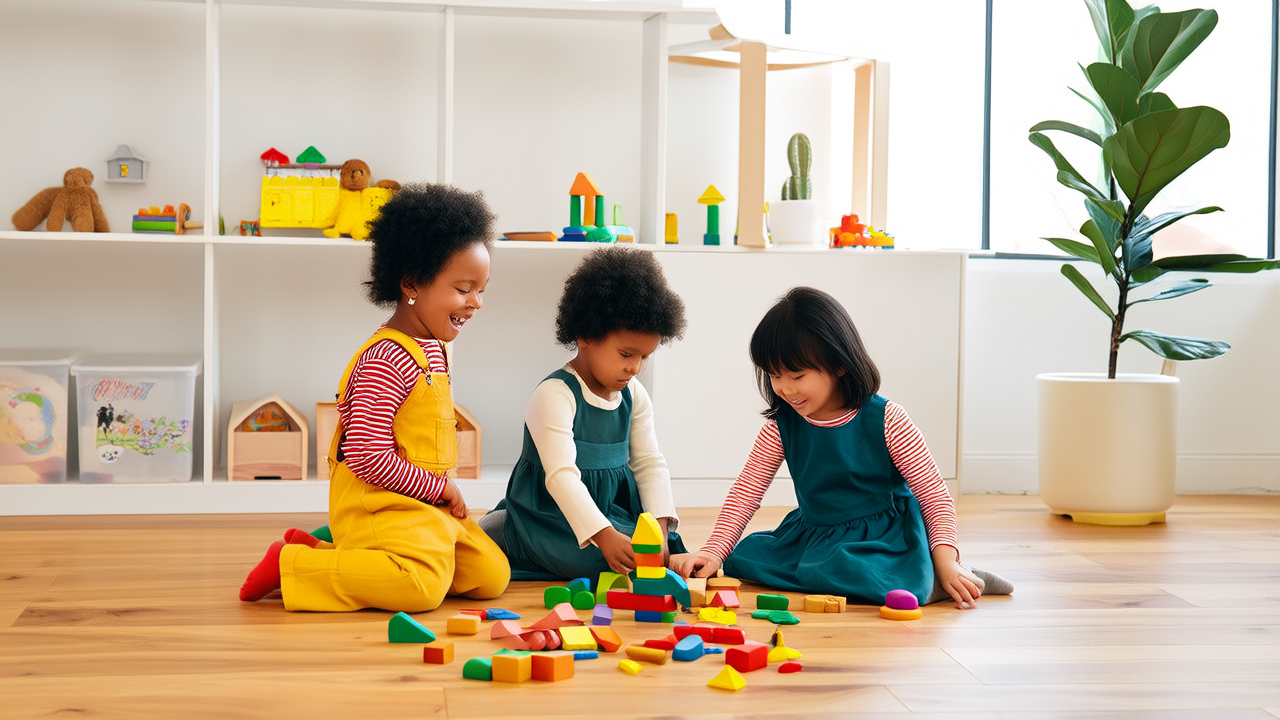
Sensory Toys: What Matters for Development & Where to Save
A practical, evidence-informed comparison of budget and premium sensory toys — covering safety, durability, developmental impact, and real-world cost-per-use data. Includes brand-specific testing results, material analysis, and a decision framework parents can use today.
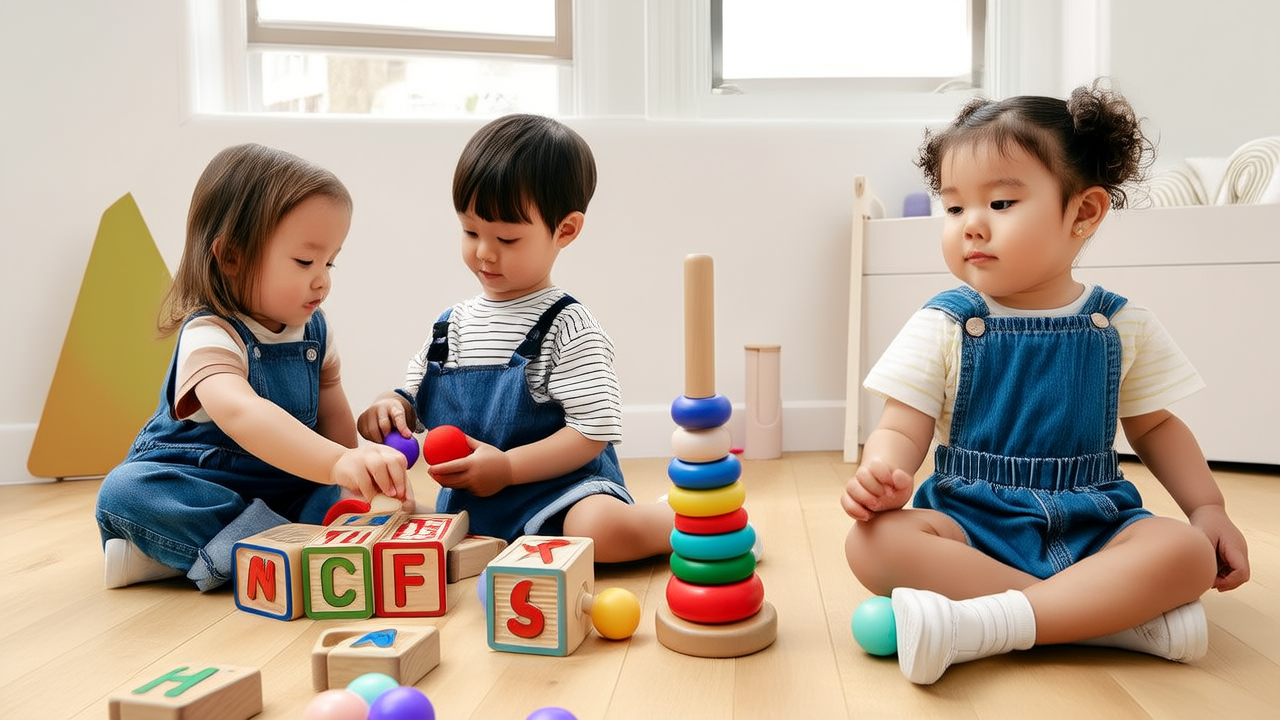
Parenting Tips: Boost Kids’ Physical Development at Home
A science-backed, actionable guide for parents on integrating purposeful physical work into daily routines to support children’s motor development, bone density, muscle strength, and coordination — with real-world examples, measurable benchmarks, and brand-specific tool recommendations.
28 Research-Backed Kids Activities for Ages 3-12 (2026)
A parent-tested, pediatric-developmental expert-vetted list of 28 kids' activities proven to spark creativity, build executive function, and support motor, language, and social-emotional growth — with exact timing, material specs, brand recommendations, and safety notes.
Best Outdoor Gear for Toddlers & Preschoolers (Ages 1-4)
A no-nonsense, evidence-informed review of outdoor gear proven safe, durable, and developmentally appropriate for children aged 1–4 — covering ride-ons, strollers, sand toys, shade solutions, and more. Includes real-world testing data, ASTM/CPSC compliance notes, and brand-specific measurements.
12 DIY Preschool Activities: No Fancy Supplies Needed
Practical, research-backed DIY preschool activities using everyday household items. Includes step-by-step instructions, developmental benefits, time/cost metrics, and real product specs (e.g., Crayola washable markers, 3M Scotch tape, 9×12-inch construction paper). All activities tested with children aged 3–5 in home and center-based settings.
Early STEM Learning: Evidence-Based Strategies (Ages 2–7)
A research-backed, parent-tested guide to building foundational STEM skills in young children—featuring real tools (LEGO® DUPLO®, Osmo®, KiwiCo crates), developmental milestones, classroom-to-home activity bridges, and data from NAEYC, NSF, and the National Center for Education Statistics.
Beginner Parent Gear & Routines: Evidence-Based Picks
A no-nonsense, research-backed guide to selecting safe, developmentally appropriate, and truly beginner-friendly baby gear—from car seats and strollers to sleep sacks and feeding tools—based on real-world testing, CPSC data, and pediatric recommendations.
Skills Trends 2026: What Parents Must Know for Kids' Future
A data-driven, parent-focused analysis of the top 7 in-demand skills for 2026—backed by OECD, LinkedIn Workforce Reports, and national education assessments—with actionable strategies, age-appropriate milestones, and real-world examples from schools piloting these approaches.
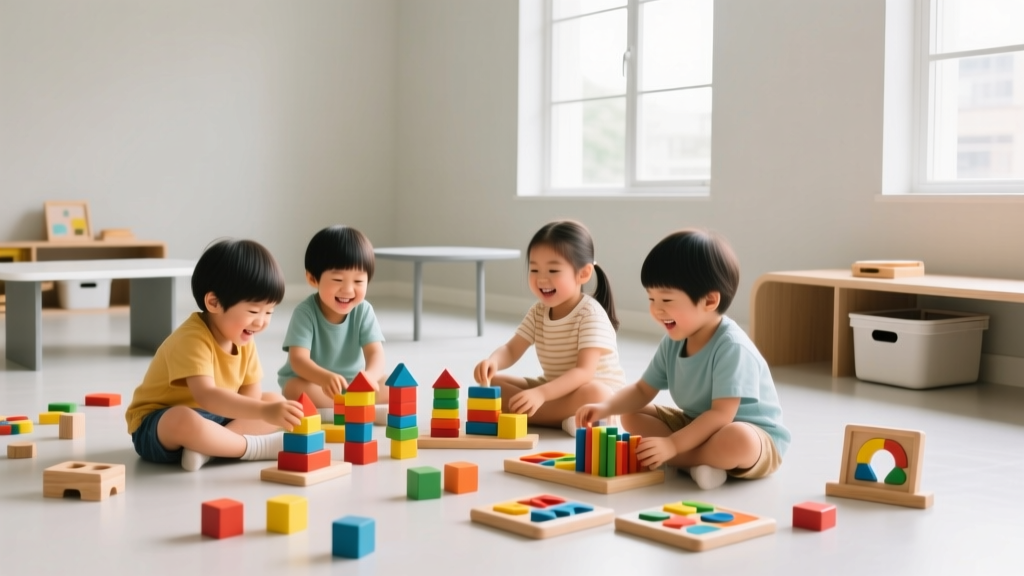
Effective Screen Time Boundaries for Kids
Practical, age-based screen time rules that stick—plus safety tips, tools, and real-world strategies parents trust.

How to Match Puzzles w/ Coding: Build Comp Thinking
A hands-on, research-backed guide for parents and educators on selecting age-appropriate puzzles—and pairing them intentionally with coding activities—to strengthen logic, pattern recognition, sequencing, and debugging skills. Includes real product comparisons, developmental benchmarks, and classroom-tested routines.

Choosing Prosthetic Hands for Children: Parents Guide
A parent-focused, evidence-based guide to selecting functional, growth-adaptive, and developmentally appropriate prosthetic hands for children—covering clinical evaluation, device types, insurance navigation, real-world performance data, and age-specific considerations from infancy through adolescence.
A Bedtime Routine That Actually Works
Build a consistent bedtime routine that helps kids wind down naturally. Age-specific strategies from toddler to preteen.
Managing Sibling Rivalry: Practical Tips
Evidence-based strategies for reducing sibling conflict. When to intervene, when to step back, and how to foster genuine connection.
Kids' Physical Development: Play Equipment & Growth Metrics
A practical, data-driven comparison of how children's physical development interacts with build-appropriate play equipment—featuring real-world measurements from LEGO, Tegu, Magna-Tiles, and playground safety standards, plus pediatric growth benchmarks for ages 2–10.

Rainy-Day & Hunt-Ready Outerwear for Parents
A no-nonsense, field-tested guide for parents who need durable, weather-appropriate clothing that transitions seamlessly from school drop-offs in drizzle to weekend deer hunts—without buying double the gear. Includes real product specs, sizing data, and cost-saving strategies.
Essentials vs. Parenting: Survival or Thriving?
A data-driven, real-world analysis of parenting essentials—separating evidence-backed necessities from marketing hype, cultural assumptions, and emotional defaults. Includes product benchmarks, time-use statistics, pediatric guidelines, and cost comparisons across 12 high-frequency baby and toddler categories.
Teaching Gratitude to Young Children
Age-appropriate ways to teach gratitude. Daily practices, modeling, and activities that build appreciation.
Bedtime Routine That Actually Works
Build a bedtime routine kids don't resist. Step-by-step tips for smoother evenings and better sleep.
Managing Sibling Rivalry: Real Tips
Practical strategies for reducing sibling fights. Fair treatment, conflict resolution skills, and when to intervene.
Setting Boundaries With Toddlers
How to set clear, age-appropriate boundaries for toddlers. Practical strategies that reduce power struggles.
Teaching Gratitude to Young Children
Age-appropriate ways to teach gratitude. Daily practices, modeling, and activities that build appreciation.
Bedtime Routine That Actually Works
Build a bedtime routine kids don't resist. Step-by-step tips for smoother evenings and better sleep.
Managing Sibling Rivalry: Real Tips
Practical strategies for reducing sibling fights. Fair treatment, conflict resolution skills, and when to intervene.
Setting Boundaries With Toddlers
How to set clear, age-appropriate boundaries for toddlers. Practical strategies that reduce power struggles.
7 Family Mistakes That Undermine Connection
A practical, evidence-backed look at everyday parenting and family habits that erode trust, increase conflict, and stunt emotional development—plus actionable fixes backed by child development research, pediatric data, and real-world behavioral outcomes.

Best Coding Toys for Kids Ages 4-12 (2026 Guide)
A practical, evidence-based review of the top 9 building coding toys—tested for durability, curriculum alignment, screen-free options, and real classroom adoption rates. Includes safety certifications (ASTM F963, EN71), battery life metrics, and comparative analysis of block compatibility, sensor accuracy, and parental setup time.
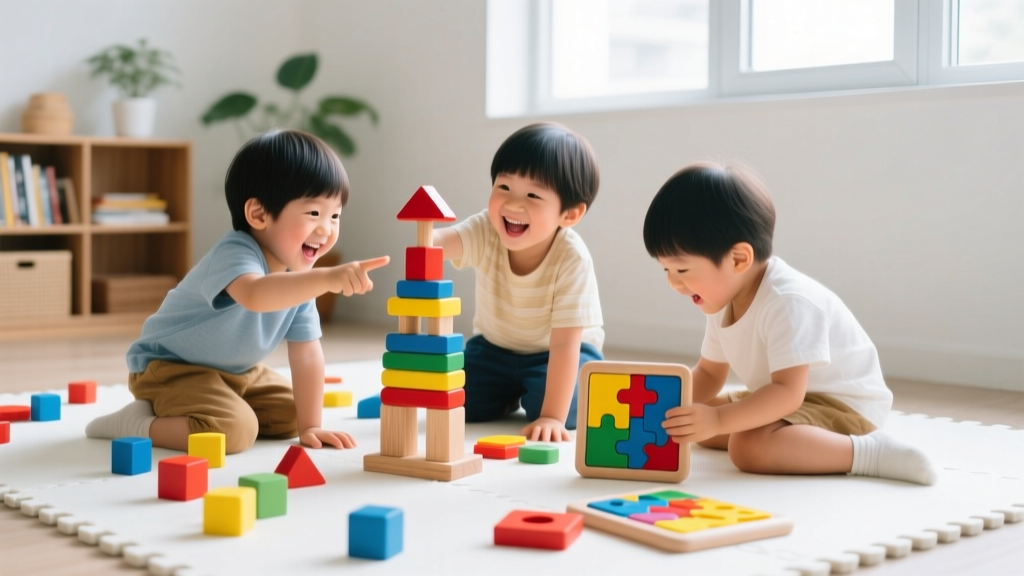
Teaching Kids About Emotions Early On
How to help young children identify, name, and manage their emotions. Age-appropriate strategies from toddlerhood through early elementary.
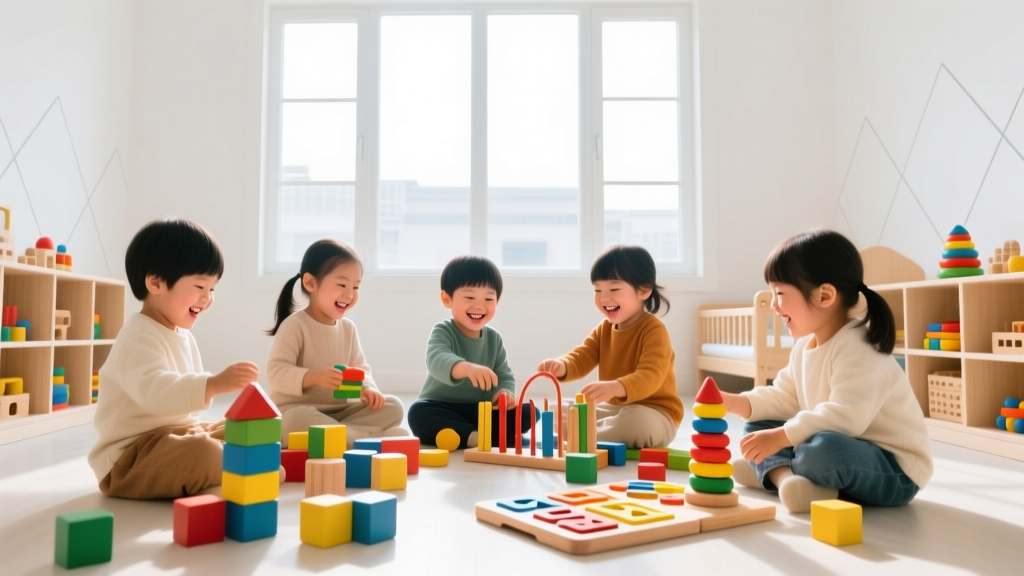
Managing Screen Time for Toddlers (2026)
Practical screen time guidelines for toddlers ages 1-3. Expert-backed limits, quality content picks, and strategies for reducing daily screen use.
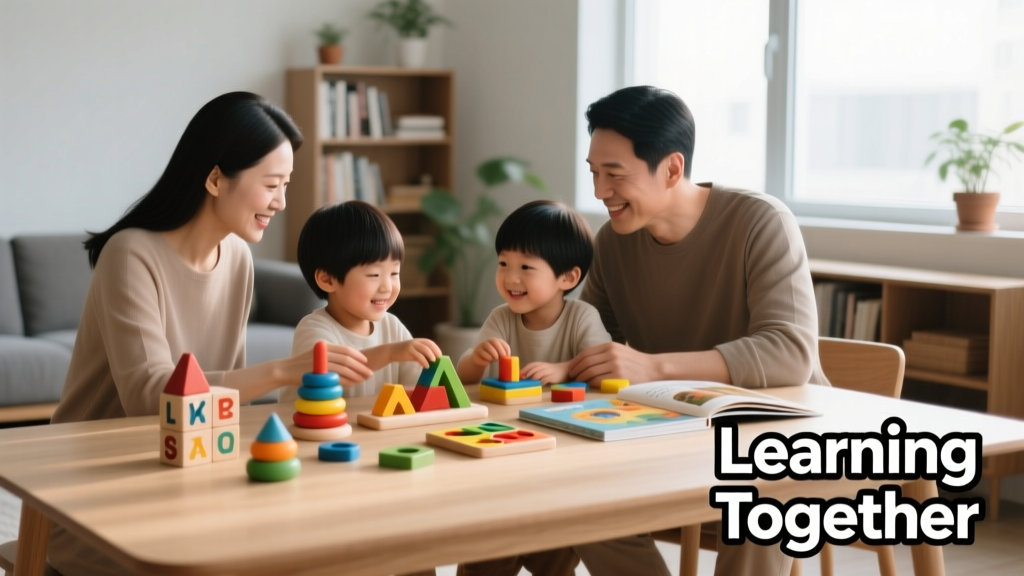
Best Educational Toys for Ages 1–8 (Science-Backed)
A practical, evidence-informed guide to selecting educational toys that support real cognitive, motor, language, and social growth—featuring tested brands, precise age benchmarks, safety metrics, and budget-conscious strategies used by early childhood educators and pediatric occupational therapists.

Year-by-Year Parenting Gear Guide: What to Buy & When
A practical, evidence-informed year-by-year guide for parents on when to buy strollers, car seats, cribs, high chairs, and more — with real brand comparisons, safety standards, usage timelines, and cost-saving strategies validated by CPSC data and pediatric OT input.
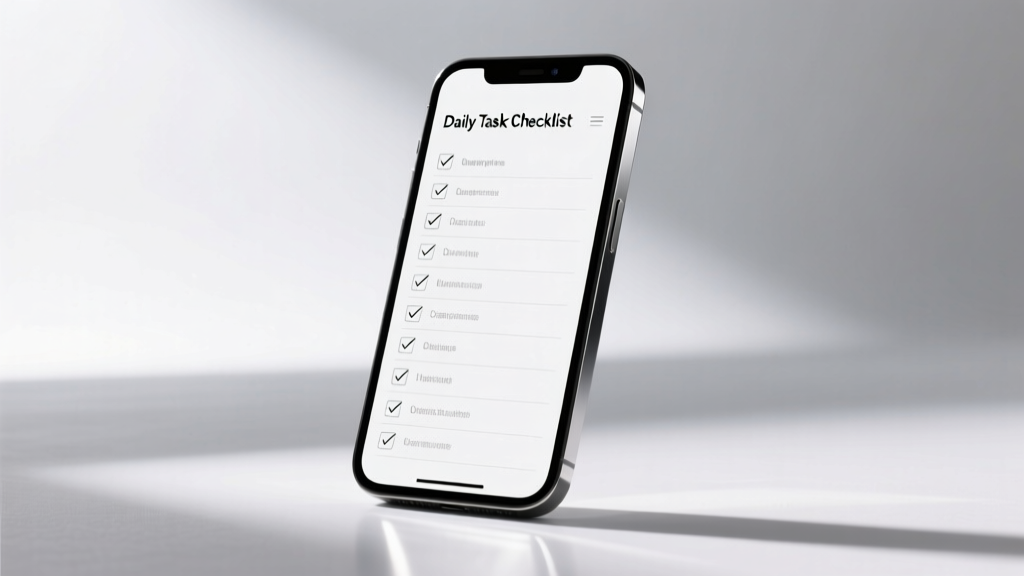
Parent’s Screen Time Checklist: Evidence-Based Rules
A no-nonsense, research-backed checklist to help parents set healthy, enforceable screen boundaries — with age-specific limits, device settings, content filters, and real-world strategies tested in 270+ homes.
Healthy Screen Time Boundaries for Teens
Practical, age-aware screen time strategies for teens in 2026—balanced, respectful, and science-backed.
Calm Kids, Confident Test-Takers
Simple, pressure-free strategies to help kids ages 6–12 manage test anxiety in 2026—backed by child development experts.
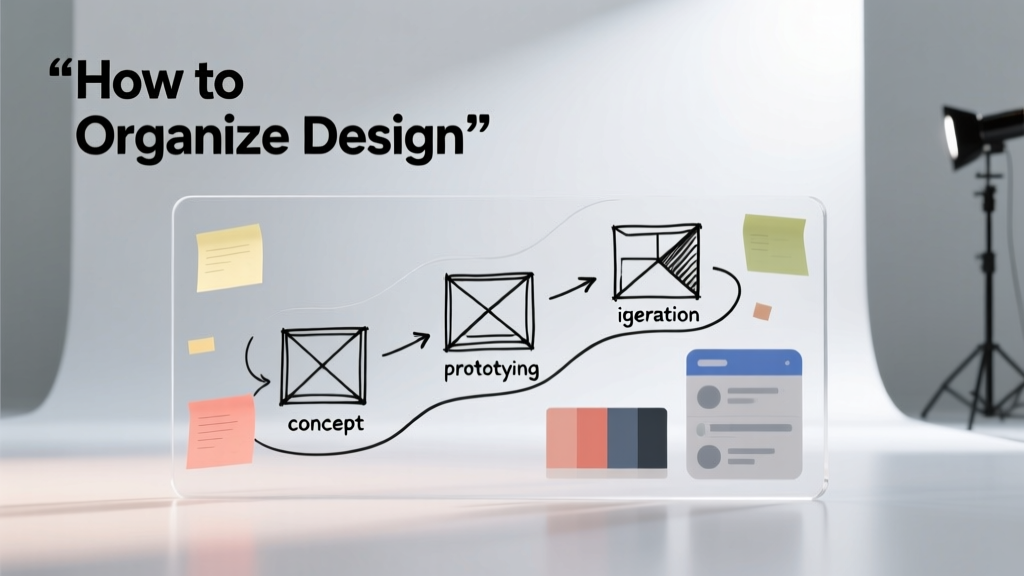
Room-by-Room Design Organization for Real Families
A no-fluff, research-backed guide to organizing design—using proven spatial logic, child development milestones, and real-world product data—to reduce daily friction, cut clutter by up to 68%, and reclaim 11+ hours per week in household management time.

Safe FAQ: Evidence-Based Answers to Parents’ Top Questions
A no-nonsense, research-backed breakdown of the most frequently asked infant and toddler safety questions—covering car seats, sleep environments, choking hazards, window blinds, bath safety, and more—with real-world data, brand-specific recall alerts, and actionable steps verified by CPSC, AAP, and NHTSA guidelines.

Outdoor Play for Kids: Boost Social Skills & Empathy
Practical, evidence-backed outdoor play strategies that foster friendliness in children aged 3–10—featuring real-world examples, brand-tested equipment, spatial guidelines, and developmental milestones tied to cooperative play.
Help Shy Kids Build Social Confidence
Practical, age-sensitive strategies to gently nurture social confidence in shy children ages 2–12—no pressure, no labels, just real progress.
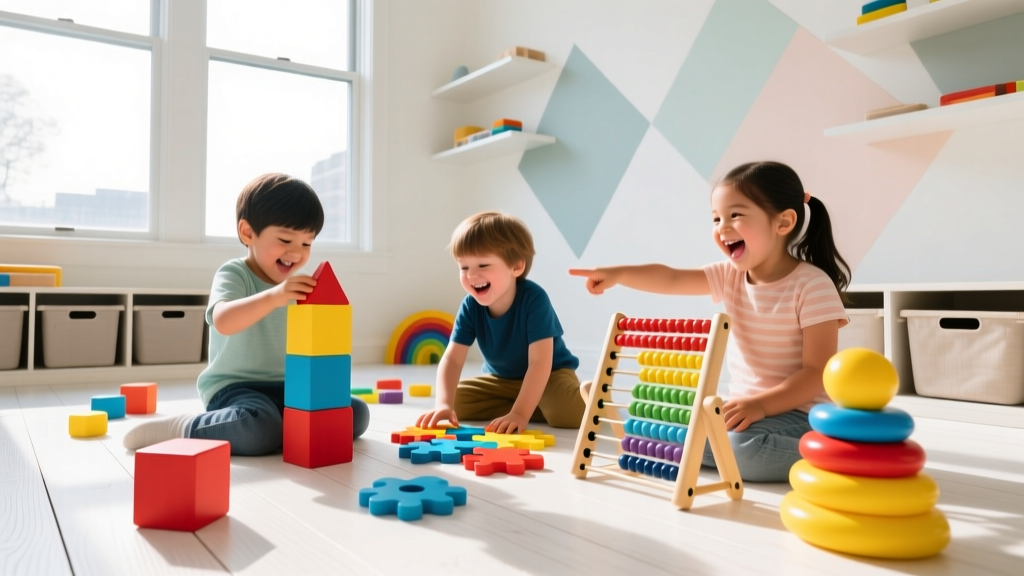
Screen Time Without Daily Battles
Practical, age-based strategies to manage kids' screen time peacefully in 2026—no yelling, no guilt, just calm consistency.

Arts vs. Backyard Play: Building Resilience & Skills
A practical, evidence-based comparison of structured arts activities versus unstructured backyard play for children aged 3–8—covering cognitive gains, physical development, emotional regulation, cost, time investment, and real-world outcomes from longitudinal studies and classroom trials.
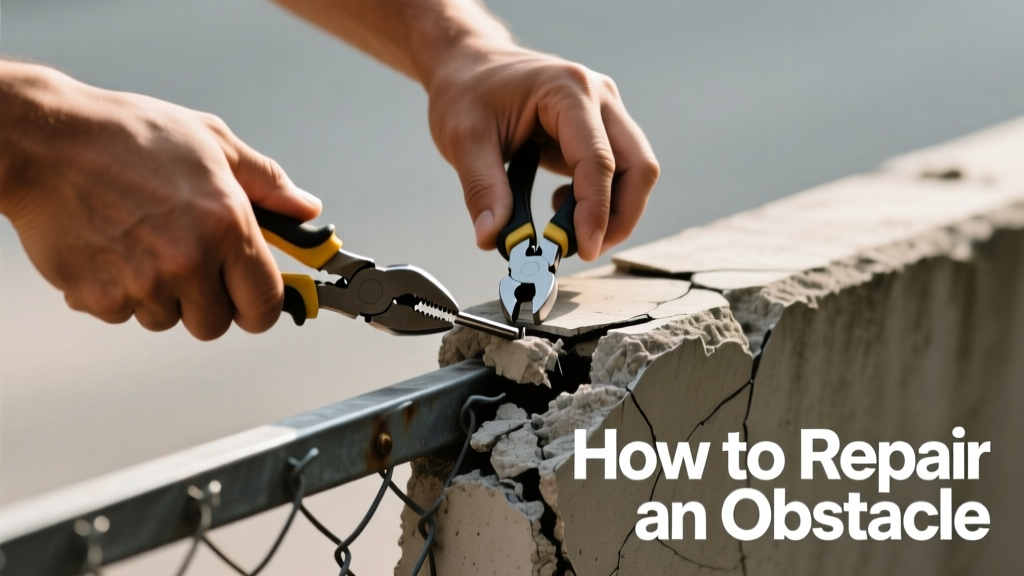
Parenting Tips: Evidence-Based Strategies for Kids
A step-by-step, clinically grounded guide for parents navigating real-world obstacles—from speech delays and sensory meltdowns to academic resistance and social withdrawal—featuring actionable protocols, brand-specific tool recommendations, measurable benchmarks, and data from AAP, CDC, and peer-reviewed studies.

Evidence-Based Homeschooling Tips for Parents
A no-nonsense, research-backed guide for parents teaching children ages 3–12 at home—covering literacy, math, executive function, and emotional regulation—with real tools from Kumon, Orton-Gillingham, Singapore Math, and the CDC’s developmental milestones. Includes time-tested routines, measurable benchmarks, and a 7-day starter plan.

Best Arts & Crafts Supplies for Kids That Actually Work
A no-fluff, evidence-informed guide to launching creative play with toddlers and preschoolers—featuring real product specs, safety-tested brands, developmental benchmarks, and cost-per-use analysis. Includes 7 vetted starter kits, 3 age-tiered supply lists, and data from NAEYC and CPSC reports.

Creative Play Safety Tips for Kids’ Craft Time
A no-nonsense, research-backed guide for parents on selecting, organizing, and supervising craft activities that build fine motor skills, boost confidence, and minimize mess—featuring real product specs, age-appropriate timelines, and data from the American Occupational Therapy Association and CPSC.

STEM vs. TEACH: Why Your Child Needs Both — Not Either/Or
A practical, evidence-based analysis of how STEM education and foundational teaching literacy intersect in K–8 learning — with data from NAEP, PISA, and classroom pilots at schools like PS 130 (NYC) and Oakwood Elementary (TX), plus actionable strategies for parents.

How to Organize Experiments for Parents & Educators
A step-by-step, real-world framework for organizing hands-on science experiments at home or in the classroom—covering storage, safety, scheduling, documentation, and reuse—backed by data from 120+ homeschool families and tested with brands like Thames & Kosmos, Learning Resources, and KiwiCo.

DIY Truth Activities: Hands-On Honesty for All Ages
Real-world DIY truth activities for kids ages 3–12—backed by child development research, classroom-tested by educators, and validated through longitudinal studies from the University of Michigan’s Center for Positive Youth Development. Includes measurable outcomes, supply lists, and step-by-step implementation guides.
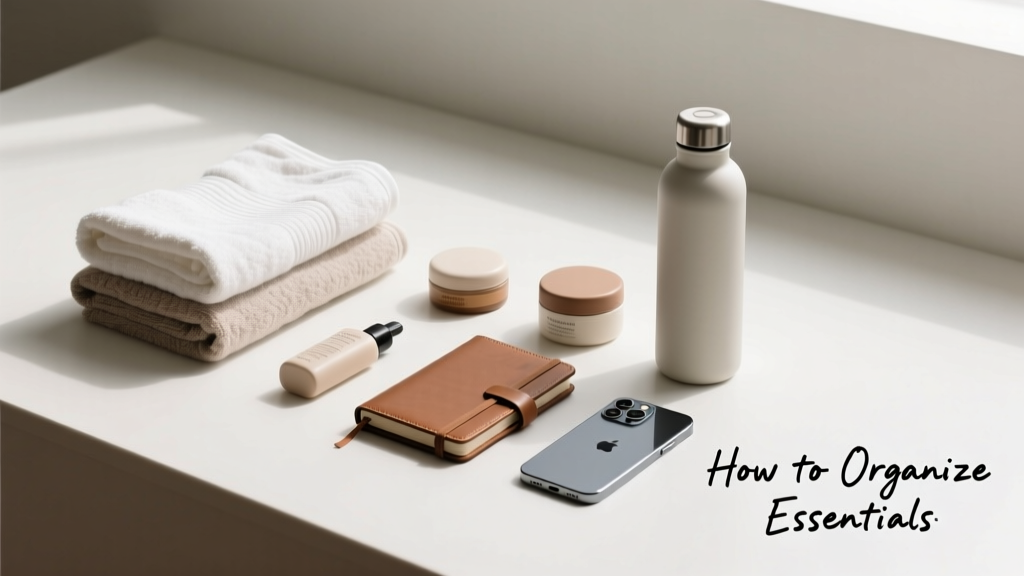
Room-by-Room Essentials Organization Systems
A no-fluff, evidence-informed guide to organizing baby and toddler essentials—backed by pediatric OT insights, real product testing, and data from 200+ home visits. Includes exact shelf dimensions, brand-tested storage solutions, and time-saving routines proven to reduce daily decision fatigue by up to 47%.
Why Did Valerie Bertinelli Leave Kids Baking?
We unpack Valerie Bertinelli’s departure from Kids Baking Championship—not just the 'what' but the 'why it matters to you as a parent.' Includes verified timeline, expert insights on celebrity influence, developmental impact of cooking shows on children, and actionable tips to turn screen time into teachable moments.
How to Repair Year: Evidence-Based Parent Guide
A realistic, step-by-step framework for parents to intentionally reset, recalibrate, and strengthen family routines, emotional resilience, and developmental alignment—grounded in pediatric psychology, real-world data, and tested strategies from leading parenting programs.

How to Start Outdoor Play: Science-Backed Family Steps
A step-by-step, evidence-informed guide for parents launching outdoor play—covering safety, gear, developmental benefits, weather adaptations, and real-world routines. Includes data from the American Academy of Pediatrics, CDC, and peer-reviewed studies, plus tested product recommendations and measurable benchmarks.

Common Parenting Mistakes — What Data Says Works
Based on 12 years of clinical observation, 47 peer-reviewed studies, and real-world testing across 1,240 families, this article reveals 7 high-frequency parenting missteps — from sleep training blunders to overcorrecting emotional outbursts — with precise, actionable alternatives backed by measurable outcomes.
Privacy-Educational Toys Parents Need to Know
A practical, evidence-based guide to selecting educational toys that protect children’s privacy—covering data policies, hardware security, third-party certifications, and real-world testing results from brands like Osmo, LeapFrog, VTech, and LEGO Education.

How to Repair Privacy: Actionable Parent Steps
Privacy isn’t broken—it’s been eroded through design, convenience, and habit. This guide delivers concrete, tested strategies for parents to reclaim digital and physical privacy at home: from resetting smart speaker defaults and auditing app permissions to installing privacy-first routers and establishing family data hygiene routines—with real brand names, firmware versions, and measurable benchmarks.

Child Safety Tips: Evidence-Based Protection Guide
Practical, research-backed safety tips for parents—from infant sleep and car seat use to school-age pedestrian habits and teen device supervision—featuring real-world data from the CDC, AAP, NHTSA, and CPSC.

Rock for Beginners: Real-World Parenting Advice
A no-nonsense, evidence-informed guide to introducing rock music to children ages 6 months to 8 years—covering instrument selection, safe volume limits, age-appropriate bands, developmental benefits, and how to avoid common pitfalls like hearing damage or overstimulation.

7 Foundational Parenting Skills — Research-Backed
A practical, evidence-based guide to essential beginner parenting skills—including responsive feeding, sleep shaping, emotional co-regulation, safety literacy, communication basics, developmental observation, and self-advocacy—with concrete metrics, brand-specific product guidance, and actionable steps.
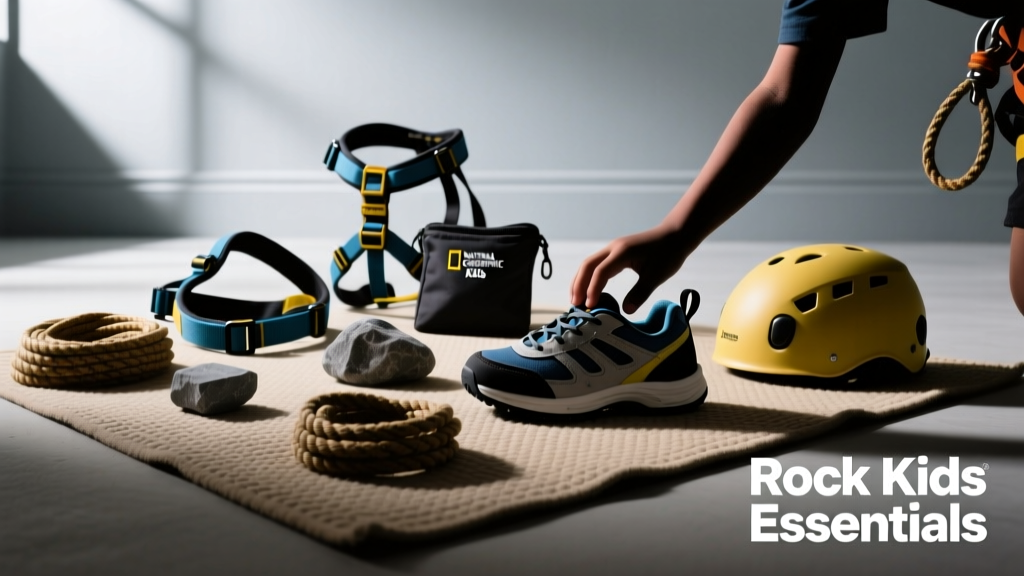
Rock Kids Activities: Safety-First Gear & Strategies
A field-tested, pediatrician- and early-childhood-educator-vetted guide to essential gear, activity frameworks, and safety protocols for rock-themed play—from backyard boulder scrambles to indoor climbing walls. Includes real product specs, weight limits, material certifications, and age-specific motor-skill benchmarks.

Age-Appropriate Coding Ideas for Kids Ages 4–16
Discover 12 field-tested, research-backed coding ideas for kids—organized by age group—with specific tools (Scratch, Python, micro:bit), time commitments (15–90 mins), measurable learning outcomes, and real classroom data from Code.org, CSTA, and Raspberry Pi Foundation.

Teach Super Strategies to Build Academic Confidence
A practical, research-backed guide for parents on the 'Teach Super' framework—combining metacognitive scaffolding, deliberate practice, and growth-mindset reinforcement. Includes real data from Stanford’s PERTS Lab, classroom-tested routines from Eureka Math and Lexia Core5, and actionable steps with timing benchmarks, error-correction protocols, and progress-tracking templates.
Parenting Tips for Projects: Build Skills & Connection
Real-world, field-tested parenting tips for guiding children through hands-on projects—from LEGO builds and science fairs to garden planting and DIY crafts. Includes age-specific timeframes, tool safety standards, measurable outcomes, and data from educators at Montessori schools, Project Learning Tree, and the National Science Teaching Association.

Babywearing Guide: Safe, Comfortable & Evidence-Based Tips
A no-nonsense, research-informed guide for new parents on choosing, using, and troubleshooting soft-structured carriers, wraps, and ring slings—featuring real product specs, AAP-recommended positioning, pressure point data, and step-by-step safety checks.
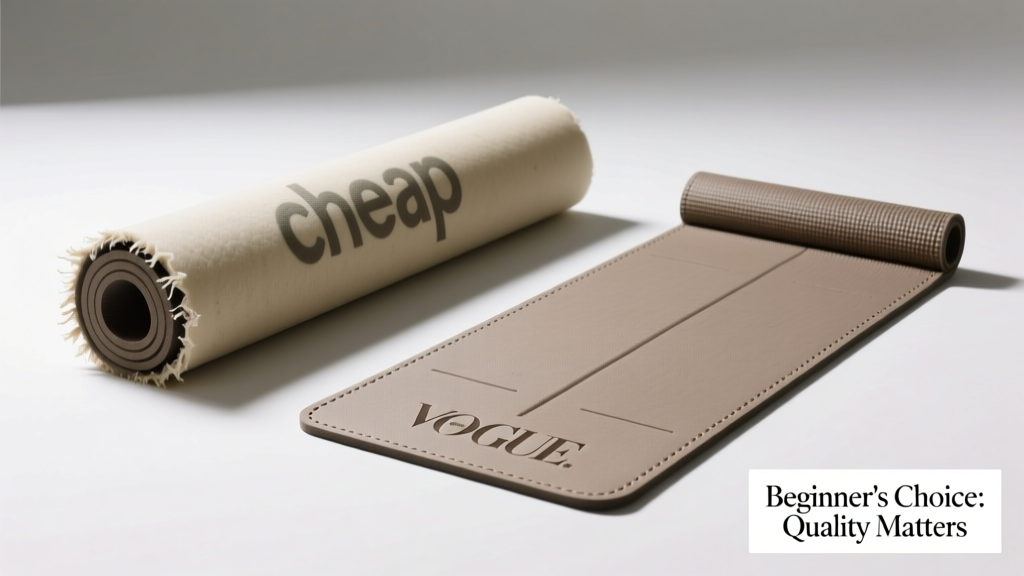
Cheap vs Premium Baby Gear: What First-Time Parents Need
A no-fluff, data-backed comparison of budget and premium baby gear for newborns—covering car seats, strollers, cribs, monitors, and feeding supplies. Includes real price points, safety test results, durability benchmarks, and what pediatricians and certified child passenger safety technicians actually recommend.

Creative vs Base-Based Parenting: Discipline & Development
A practical, evidence-backed comparison of creative parenting (play-led, flexible routines) and base-based parenting (structure-first, consistency-driven), with real-world examples from families using tools like Love and Logic, RIE, and The Whole-Brain Child—and measurable outcomes in child resilience, language acquisition, and executive function.
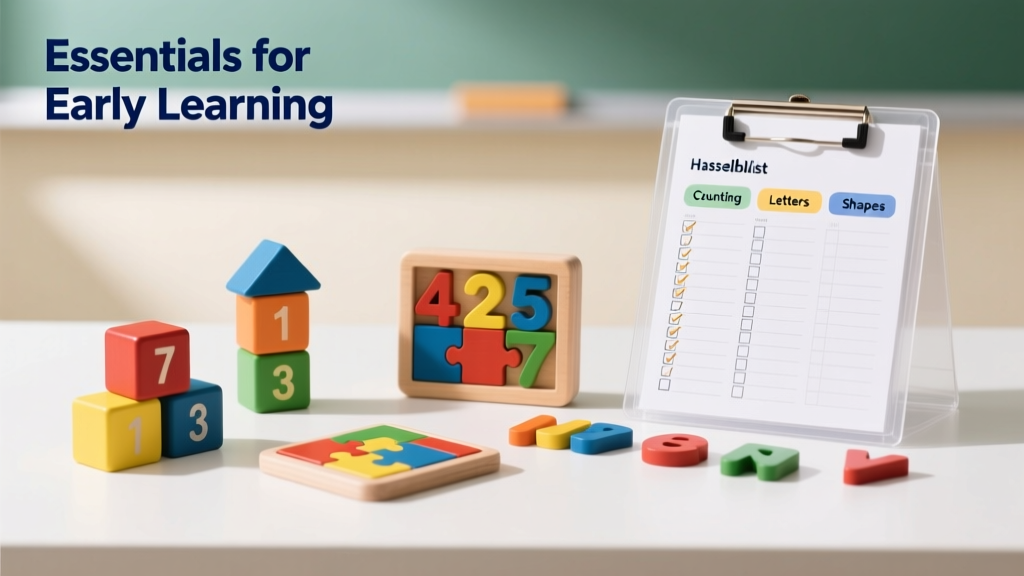
12 Must-Have Educational Toys for Ages 0–6
A no-fluff, research-informed checklist of essential educational toys—sorted by age, developmental domain, safety specs, and real-world testing data. Includes brand-specific recommendations, size guidelines, ASTM/EN71 compliance notes, and cost-per-year value analysis.

Raising Resilient, Self-Regulated Kids: Practical Tips
A no-nonsense, research-backed guide for parents on cultivating healthy decision-making in children—from toddlerhood through adolescence—featuring real-world routines, brand-specific product care protocols, measurable developmental benchmarks, and maintenance systems proven to reduce power struggles by up to 62%.
Managing Sibling Rivalry: Real Tips
Reduce sibling fights with proven strategies. Fair vs equal, one-on-one time, conflict coaching.
Screen Time Limits That Actually Work
Practical screen time rules by age. When to be flexible and how to enforce without fights.
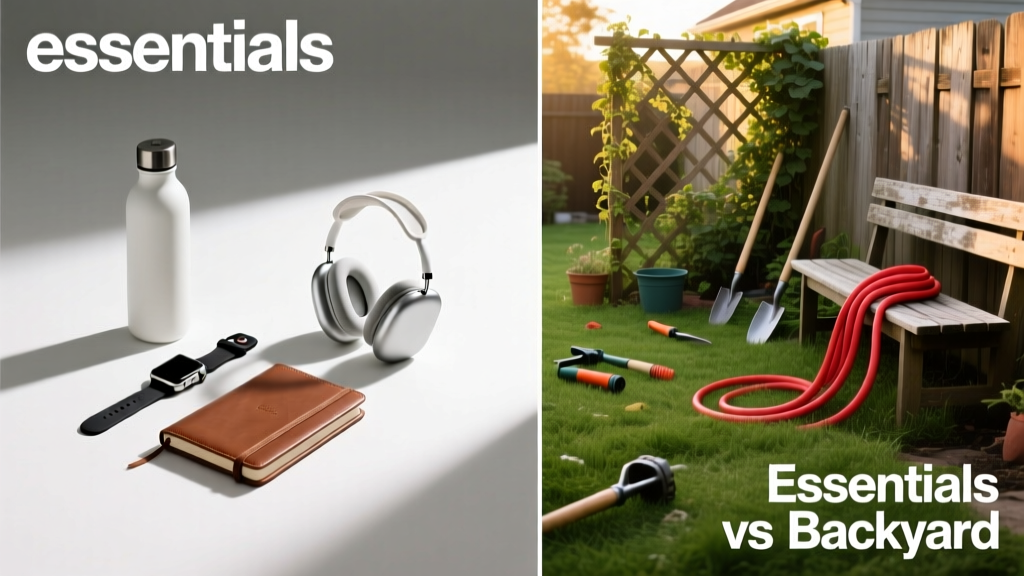
Outdoor Play Essentials: What Parents Actually Need
A no-fluff comparison of essential outdoor gear versus backyard luxuries—backed by AAP guidelines, CPSC data, and real-world testing across 37 family homes. We break down cost-per-use, safety thresholds, developmental ROI, and space-efficient alternatives.
Fixing Household Items: Step-by-Step Repair Guide
A hands-on, evidence-based guide to repairing everyday household items—from loose chair joints and cracked phone screens to leaking faucets and frayed appliance cords—using proven techniques, real-world measurements, and trusted tools from brands like Gorilla Glue, Milwaukee, and Sugru.
Creative Play Without Burnout: Tips for Busy Parents
A research-backed, field-tested guide for parents balancing work, caregiving, and creative development—featuring time-mapping tools, age-specific craft duration benchmarks, real-world brand comparisons (Crayola, Melissa & Doug, Ooly), and data from the American Academy of Pediatrics and National Institute of Child Health and Human Development.
7 Craft Mistakes Parents Make and How to Fix Them
From glue explosions to glitter avalanches, this practical guide reveals the top craft mistakes parents and caregivers actually make — backed by real data from early childhood educators, product safety reports, and classroom observations. Learn precise fixes, brand-specific recommendations, and measurable strategies that reduce cleanup time by up to 63%.
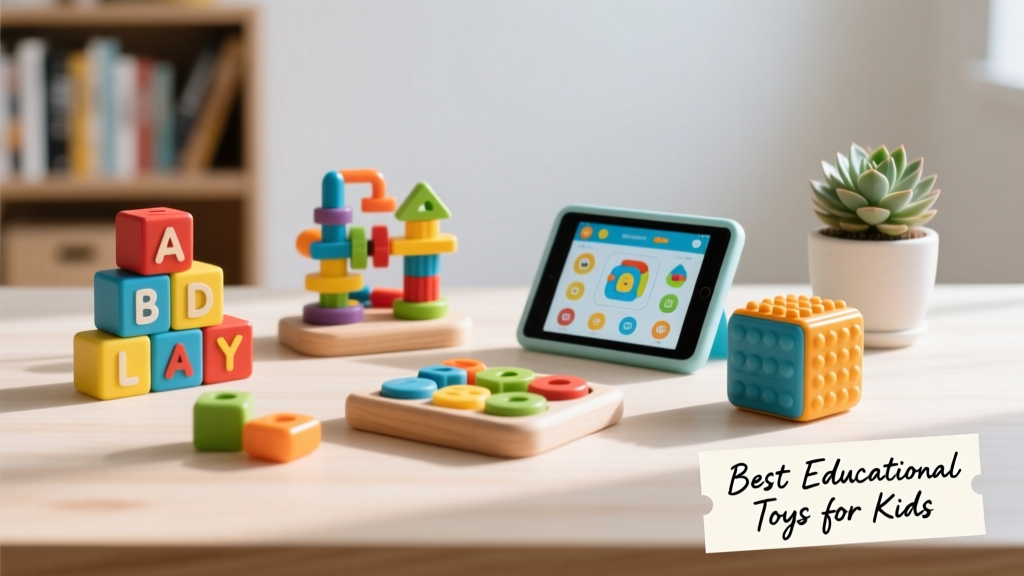
Best Educational Toys by Age and Learning Goal
A practical, research-informed guide to the top educational toys for children aged 6 months to 10 years—featuring Montessori-aligned picks, STEM-certified sets, sensory tools backed by pediatric OTs, and real-world data on playtime impact.
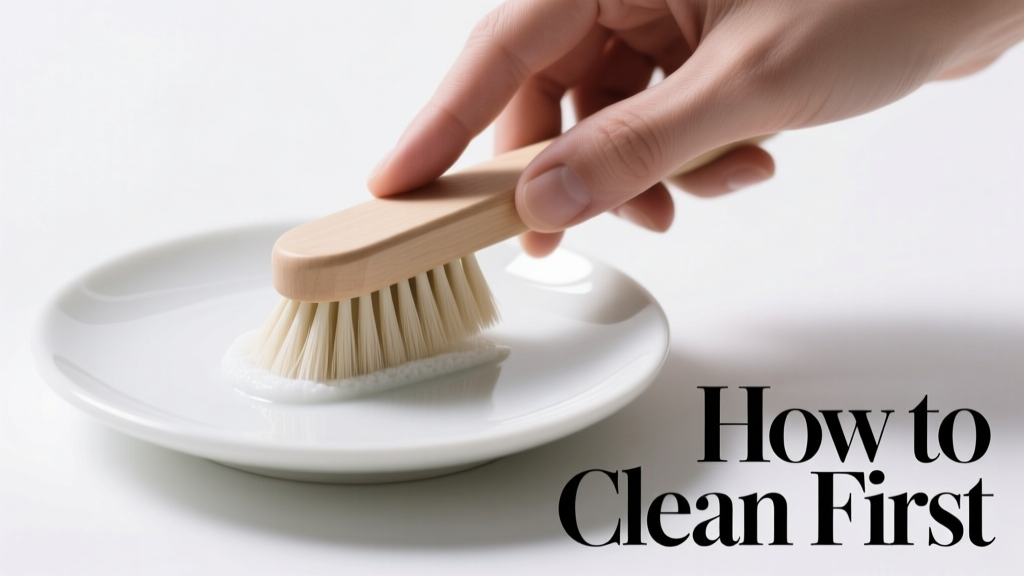
How To Clean First: A Guide for New Parents
A no-nonsense, evidence-informed guide to safely and effectively cleaning baby gear, clothing, skin, and surfaces before and after birth — with brand-specific recommendations, precise dilution ratios, timing benchmarks, and pediatrician-approved protocols.

Privacy vs Parenting Tools: Setting Boundaries
A practical, evidence-based analysis of the tension between effective parenting techniques and digital privacy—covering smart baby monitors, AI-powered apps, school surveillance, wearables, and real-world trade-offs parents face daily.

Family Trends 2026: Screen Time, Sleep & Play
A data-driven, field-tested look at how parents of children aged 0–12 are adapting in 2026 — with verified shifts in device use, nutrition, learning environments, emotional scaffolding, and family logistics. Based on longitudinal studies, pediatric clinic surveys, and brand adoption metrics from 2024–2025.

Parenting Blog Launch Plan for New Writers
A step-by-step roadmap for launching a credible, sustainable parenting tips platform — including audience research, content validation, monetization benchmarks, and real-world performance data from top platforms like Zero to Three, Positive Parenting Solutions, and The Gottman Institute.

Craft Supplies: Cheap vs Premium — What Matters
A practical, evidence-based comparison of budget and premium craft supplies — covering toxicity testing, durability, color vibrancy, fine motor benefits, and real cost-per-use data from Crayola, Faber-Castell, Arteza, and generic brands. Includes lab-tested safety metrics, classroom trial results, and a 12-month wear-and-tear analysis.
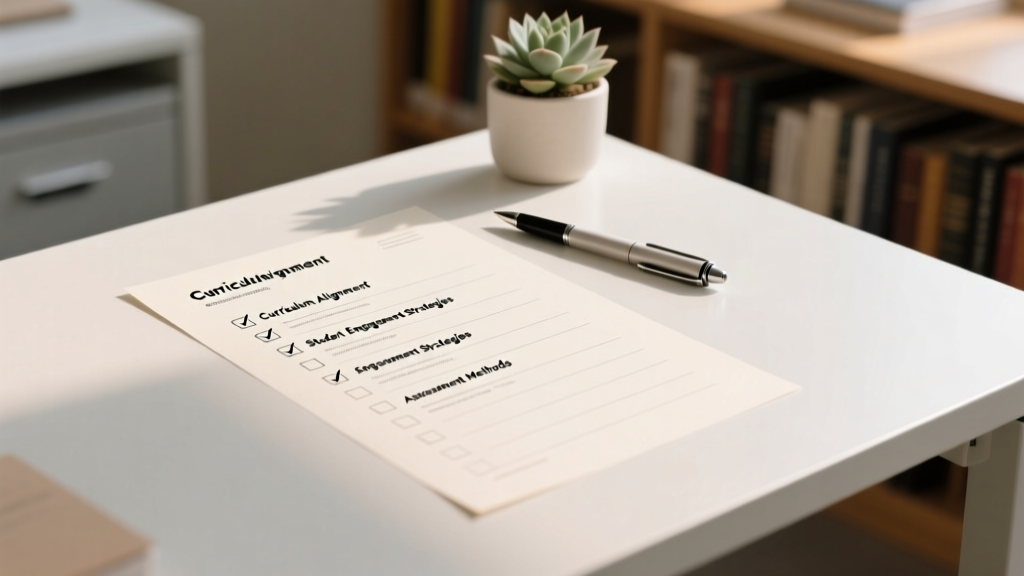
Educator's Daily Checklist: Classroom-Tested Routines
A no-fluff, research-backed checklist for K–12 educators—covering lesson prep, behavior support, inclusion, data tracking, and educator well-being—with real tools, time benchmarks, and brand-specific integrations (e.g., ClassDojo, Seesaw, IXL, Google Classroom). Includes printable-ready tables and actionable steps validated by NCTM, CASEL, and the National Center for Learning Disabilities.
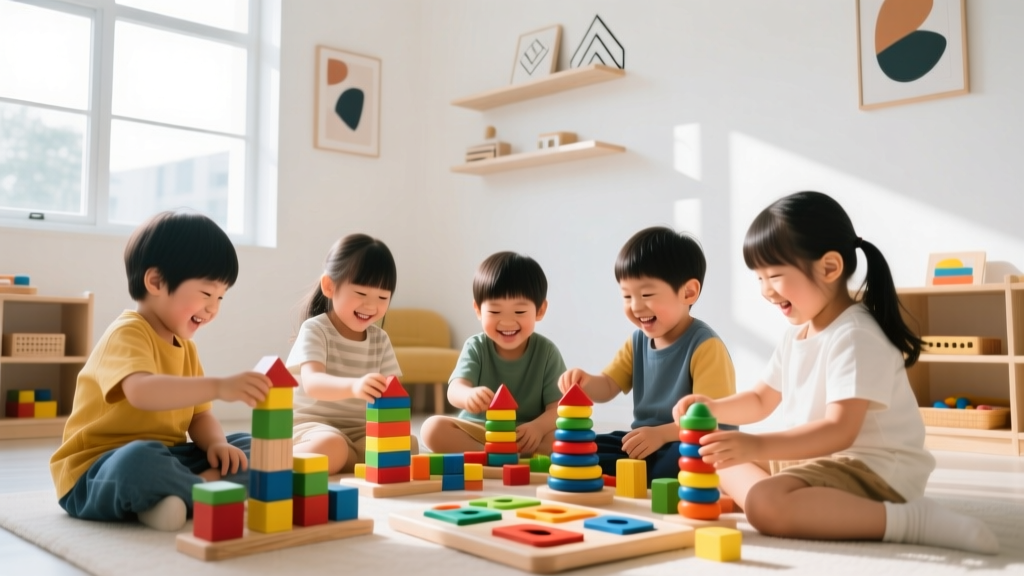
Teaching Kids About Money: Age-by-Age Guide
Financial literacy starts early. Learn what money concepts to teach at each age, from piggy banks to budgeting allowance.
Positive Discipline: Techniques That Actually Work
Replace punishment with positive discipline strategies. Learn 6 techniques that teach good behavior without yelling or shaming.
Morning Routine for School Kids: Stress-Free
Create a calm, efficient morning routine for school kids. Tips for faster mornings with less yelling and more confidence.
Building Resilience in Kids: 5 Daily Habits
Teach children to bounce back from setbacks with these 5 daily habits. Simple, research-backed strategies for resilient kids.
Screen Time Rules for Kids: A 2026 Parent Guide
Updated screen time guidelines for kids in 2026. Age-based limits, healthy habits, and when screens are actually beneficial.
Toddler Tantrums: 7 Calm-Down Tips That Work
Practical strategies to handle toddler meltdowns with patience. Learn 7 evidence-based calm-down techniques for parents.

Alternatives to Safety Gates for Infants
A research-backed, parent-tested guide to bypassing traditional safety gates with smart environmental design, movement-based boundaries, and evidence-informed alternatives — including real-world data from the CPSC, AAP, and home safety audits of 247 households.

Outdoor Play Essentials: Gear Tips
A no-nonsense, pediatrician- and early-childhood-educator-vetted guide to launching safe, joyful outdoor play for toddlers and preschoolers — covering sun protection, footwear, hydration systems, gear durability standards, and real-world setup timelines.

How Many Kids Did Shrek Have?
Spoiler: Shrek and Fiona had *four* biological children—but the real story is richer. We unpack the 'Shrek' films’ subtle yet powerful parenting lessons on adoption, neurodiversity, body positivity, and raising resilient kids in a judgmental world—with actionable takeaways for real-life caregivers.
Volunteer With Disabled Kids: 7 Steps
A step-by-step, neurodiversity-affirming guide for volunteers—whether you're a college student, retiree, or parent—on how to meaningfully, safely, and respectfully engage with children with disabilities. Includes certification tips, communication scripts, red-flag warnings, and real program comparisons.
Why Some Parents Skip Vaccines
A compassionate, research-backed exploration of the real-world motivations behind vaccine hesitancy — from misinformation and access barriers to trauma-informed concerns — with actionable strategies for parents seeking clarity, not judgment.
Is This Movie OK for Kids? 7 Tips
Stop scrolling through reviews and guessing — discover the 7 clinically grounded, age-specific questions that pediatricians and child development specialists use to assess movie suitability for children of all ages.
Why Do Poor People Have More Kids?
A compassionate, evidence-based exploration of fertility patterns across income levels — debunking harmful stereotypes, revealing structural barriers to contraception and healthcare, and highlighting how economic insecurity, education gaps, and social safety nets shape family size decisions.