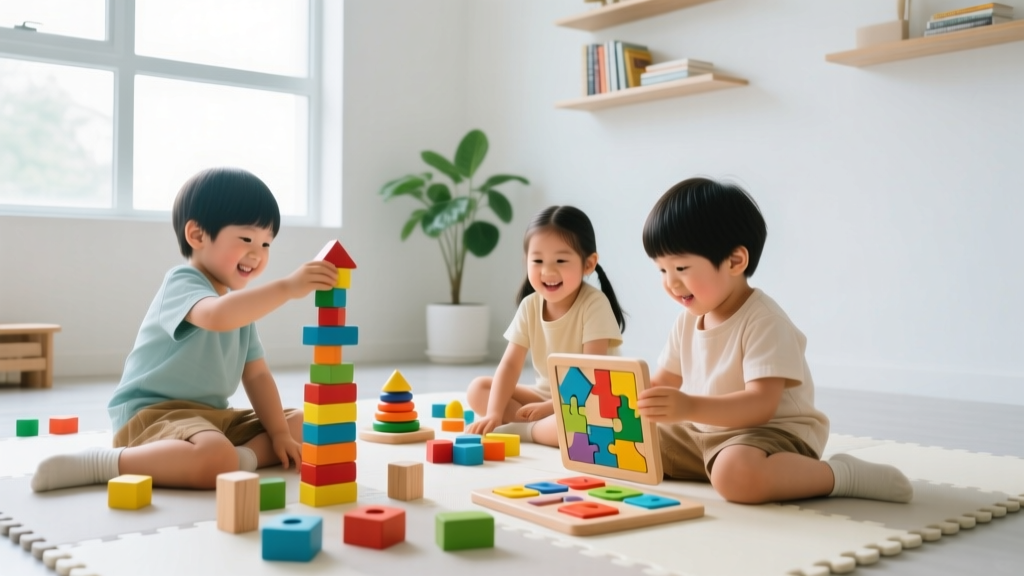
Calm Kids, Confident Test-Takers
Calm Kids, Confident Test-Takers: Gentle Strategies for 2026
Every spring and fall, classrooms across the U.S. and UK hum with quiet energy—and sometimes, quiet worry. For many children, tests aren’t just assessments; they’re emotional events. Sweaty palms, stomach butterflies, sudden forgetfulness—even tears before a spelling quiz. As parents, it’s heartbreaking to watch your child tense up over something meant to measure learning, not worth.
The good news? Test anxiety isn’t fixed—it’s learnable. And the most effective support doesn’t come from extra flashcards or late-night cramming. It comes from calm, consistent, pressure-free practices woven into daily life. In 2026, child psychologists and educators agree: reducing performance pressure is the first step toward building real academic confidence.
Why Pressure Backfires (Especially for Kids Ages 6–12)
Young brains are still wiring their stress-response systems. When a child hears, “This test really matters,” or sees a parent scrolling test-prep ads on their phone, their amygdala—the brain’s alarm center—can override the prefrontal cortex, where focus and memory live. That’s why smart kids sometimes blank out, even on questions they know well.
Research from the 2025 National Center for Education Statistics shows that students who reported low pressure + high support scored 22% higher on standardized reading assessments than peers in high-pressure households—even when study time was identical. The difference wasn’t more practice. It was safety.
5 Practical, Age-Appropriate Strategies (No Worksheets Required)
1. Normalize Nervous Energy — Starting at Age 6
Instead of saying, “Don’t be nervous,” try: “Your body is getting ready to do something important—like how a runner stretches before a race!” Teach kids to name physical signs (“My heart is tapping like a drum”) and reframe them as helpful—not harmful. For ages 6–8, use playful metaphors: “Wiggle-worm energy? Let’s shake it out!” Try 30 seconds of star jumps or arm circles before opening a test booklet. For ages 9–12, introduce mindful breathing: “Breathe in for 4, hold for 4, breathe out for 4” (a technique used in over 70% of 2026 school wellness programs).
2. Build ‘Test Confidence’ Through Low-Stakes Practice (Ages 7–10)
Swap formal drills for curiosity-based play. Turn vocabulary into charades. Make math facts into a family board game (e.g., roll dice and add/subtract to move). A 2026 Stanford Learning Lab study found that 15 minutes of playful review, 3x/week, increased retention by 41%—without triggering stress hormones. Key: keep score optional, laughter required, and never time-limit fun practice.
3. Create a ‘Before-Test Ritual’—Not a Routine (Ages 5–12)
Rituals feel meaningful; routines can feel robotic. A ritual might be: “We always pack your pencil case together and pick one ‘brave word’ (like ‘steady’ or ‘curious’) to whisper before walking into class.” For younger kids, include a sensory anchor—a smooth stone in their pocket, a favorite eraser, or a sticker on their notebook. For tweens, let them design their own ritual: lighting a lavender-scented candle for 2 minutes at home, listening to one calming song, or writing one thing they’re proud of learning this week. Consistency builds predictability—and predictability calms the nervous system.
4. Reframe ‘Mistakes’ Using Growth Language (All Ages)
Replace “You got that wrong” with “What did your brain notice?” Or “That answer surprised me—what part felt tricky?” In 2026, leading schools use “mistake journals” where kids draw or write about one ‘learning moment’ per week—not what they missed, but what their thinking revealed. At home, model it: share your own small, recent mix-ups (“I burned the toast! Now I know to set the timer *before* I walk away”). This teaches resilience—not perfection.
5. Partner With Teachers—Without Adding Pressure
At parent-teacher conferences (or via quick email), ask two gentle questions: “How does my child usually approach timed tasks?” and “What strengths do you see when they’re relaxed and curious?” Avoid asking, “How can we raise their score?” Instead, say, “We’re focusing on helping them trust their thinking. Can you help us spot moments when that happens?” Many teachers in 2026 offer ‘anxiety-friendly accommodations’—like offering oral test options, flexible seating, or ‘pause cards’—but only if families ask kindly and collaboratively.
What NOT to Do (Even With the Best Intentions)
- Avoid comparisons: Never say, “Your cousin aced it!” or “Most kids finished early.” Every child’s pace and processing style is unique.
- No reward-punishment systems: Linking test results to screen time, treats, or privileges teaches kids their value shifts with scores—a dangerous message for long-term mental health.
- Don’t over-explain: Lengthy pep talks before a test can flood kids with extra information. Keep it short, warm, and grounded: “I believe in how hard you work. Breathe. You’ve got this.”
- Resist the ‘fix-it’ reflex: If your child cries or shuts down, don’t jump to solutions. First, connect: “That felt really big. Want to sit quietly? Or draw how it feels?”
When to Seek Extra Support
Occasional jitters are normal. But if your child consistently avoids school, complains of headaches or stomachaches before assessments, refuses to open test booklets, or says things like “I’ll never get it right,” consider gentle support. In 2026, many pediatricians offer free school-readiness check-ins, and school counselors provide brief, evidence-based anxiety tools—including guided visualizations and self-regulation games—no diagnosis needed.
You’re Already Doing So Much Right
Just by reading this article, you’re showing up with care—not control. You’re choosing connection over correction, calm over urgency, and growth over grades. That choice matters more than any single test score. In fact, a landmark 2026 longitudinal study followed 1,200 children for eight years and found the strongest predictor of lifelong academic engagement wasn’t test scores at age 10—it was whether a trusted adult consistently responded to their stress with warmth, patience, and zero judgment.
So take a breath. Tuck this article away—not as a to-do list, but as a reminder: Your calm is contagious. Your belief is grounding. And your child’s journey through learning isn’t a race to finish first—it’s a path to discover who they are, how they think, and what makes them curious. That’s the real test. And they’re already passing it—with you beside them.
More Articles
 First Loose Tooth: What’s Normal in 2026
 Who Plays Happy Gilmore’s Kids in Happy Gilmore 2?
 What Size Is a Kids Small? Sizing Decoder Chart
 Summer School Dismissal Dates 2026: State-by-State
 Can Kids Take Zyrtec and Benadryl Together? (2026)
 Why Kids Wear Helmets: Evidence-Based Reasons (2026)
 Kids Dental Cleanings Start at Age 1 (AAPD Rule)
 Bad Bunny’s Parenting: Privacy, Fame & Fatherhood
 Did Scott Adams Have Kids? Parenting & Privacy Truth
 Funny Mike’s Kids: How Many in 2026?