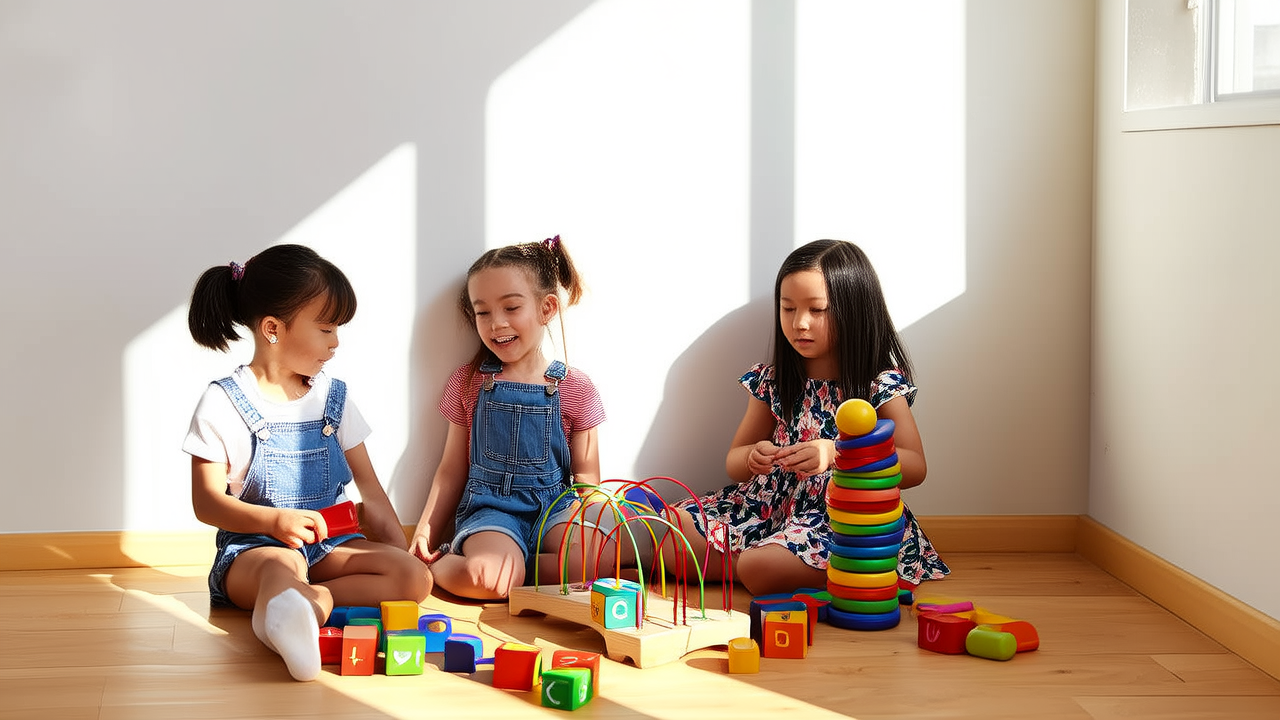
Indoor Scavenger Games: Fun Tips for Learning and Calm
The best scavenger indoor games are short, structured hunts that use household objects, simple clues, and playful competition to burn energy, reduce screen time, and build confidence. Parents often need a rainy-day plan that does not require new toys, long setup, or a large budget. The most successful hunts use 8 to 12 clues, last 15 to 30 minutes, and involve 2 to 5 players. This guide gives practical parenting tips for choosing themes, writing clues, adapting ages, keeping safety tight, and turning ordinary rooms into memorable missions without chaos. You can start with common household items.
Why the Best Scavenger Indoor Games Beat Boredom
Children get bored indoors when they have too many choices and no clear challenge. A scavenger hunt fixes that because it gives a simple goal, a visible list, and a time limit. A 15-minute hunt with 10 clues can produce the same movement as a short game of tag, but with less running near furniture. The U.S. Department of Health and Human Services Physical Activity Guidelines recommend 60 minutes of activity each day for children ages 6 to 17, and a well-designed indoor hunt can add 10 to 20 active minutes in a safe, contained way. Parents also get a break from negotiating because the list becomes the authority.
Indoor hunts also build skills that parents rarely see in a worksheet. A child must read or interpret a clue, remember where objects are, choose a route, and manage frustration when a clue is hidden. These are executive function tasks: planning, switching attention, and checking progress. A 20-minute hunt with a 3x5 index card list can exercise the same kind of thinking as a maze puzzle or a board game, but with more physical movement. That makes it useful after school, before dinner, or during a long weekend.
Best Scavenger Indoor Games by Age and Space
The best scavenger indoor game is not the most elaborate one. It is the one matched to the child's age, reading level, and available space. A 4-year-old should not be given a riddle about the back of a bookshelf. A 10-year-old may be bored by find a sock. Use the table below as a starting point, then adjust for your home.
| Age group | Clues | Target time | Best items | Parent support |
|---|---|---|---|---|
| 3 to 5 | 4 to 6 | 10 to 15 minutes | Big objects, photos, colors | Read each clue and point to one area |
| 6 to 7 | 6 to 8 | 15 to 20 minutes | Toys, books, kitchen-safe items | Help only when a clue is missed |
| 8 to 10 | 8 to 10 | 20 to 30 minutes | Room-specific clues and simple codes | Let kids track time and score |
| 11 to 13 | 10 to 12 | 25 to 40 minutes | Puzzles, riddles, household data | Ask them to write clues for younger siblings |
Preschoolers Need Visual Clues
For ages 3 to 5, the hunt should feel like a treasure box opening, not a reading test. Use large, safe objects such as a red Crayola marker, a blue LEGO brick, or a soft toy from Melissa & Doug. Print or draw pictures on 5-by-7-inch cards. If you use words, keep them under 5 words each, such as find the yellow spoon. Hide the item near where it belongs, not behind a heavy appliance. Give a 12-inch tape square as a home base so the child has a clear start and stop point.
Preschoolers often get overstimulated by too many choices. Limit the hunt to one room or one connected area, such as the living room and hallway. Use a timer shaped like a kitchen hourglass or a phone set for 10 minutes. When the timer ends, stop even if the child has found only three items. This teaches completion without turning the game into a power struggle. A small bag with 10 Cheerios or 5 goldfish crackers can serve as a quick snack reward, which also resets attention for the next activity.
Early Elementary Kids Want a Mission
Children ages 6 to 7 can read short clues and handle 6 to 8 items. Make the mission feel official with a folded note labeled Mission 1 and a crayon checkbox. Use household objects that have a clear category, such as something cold, something soft, something that makes a sound, and something that starts with the letter B. You can also add one gentle obstacle, such as hop 3 times before checking the next clue. This keeps the hunt active without encouraging running.
At this age, children love being in charge. Give them a clipboard with a Crayola marker and a 3x5 index card. Let them decide the order of clues. If they get stuck, ask a hint question instead of handing the answer: is it in the kitchen or the bedroom? This builds problem-solving. Keep the total time under 20 minutes to avoid meltdowns. If you have two children, use color-coded clues: one blue card and one orange card. This prevents one child from dominating the hunt.
Tweens Need Difficulty and Social Rules
For ages 11 to 13, the game must be harder than the last one. Use 10 to 12 clues, a simple cipher, or household data. Examples include find an item that weighs about 1 pound, find a book published after 2010, or find a device that uses 5 watts or less. You can ask them to photograph items with a phone or tablet, but set a strict 30-second photo limit per item so the hunt does not turn into screen time.
Tweens may resist being treated like little kids. Make the hunt feel like a challenge with stakes, not a nursery game. Use a 20-minute timer, a score sheet, and a final prize that is practical, such as choosing the next family movie or earning 15 extra minutes of screen time. If two or three kids play together, assign roles: reader, finder, timer, and clue checker. This reduces squabbling and gives each child a reason to cooperate. A well-run tween hunt can last 35 to 45 minutes without parent intervention.
The Best Scavenger Indoor Themes That Work in Real Homes
Theme is the difference between a random list and a mission. The best themes are narrow enough that kids can categorize objects quickly. Avoid broad themes like find something fun. Instead, use find something that belongs to a morning routine. Here are seven indoor themes that work in most homes and do not require buying anything new.
- Color hunt: each clue asks for a specific shade, such as a red Elmer's glue cap, a green book spine, or a silver spoon.
- Texture hunt: find something smooth, something fuzzy, something bumpy, something cold, and something that bends.
- Sound hunt: collect items that can be tapped, shaken, squeezed, or clicked without breaking.
- Letter hunt: use names from the kitchen, such as A for apple, B for bowl, and C for cup.
- Size hunt: find the smallest item on a shelf, a 12-inch object, and something taller than a 6-inch LEGO brick.
- Room tour: clues lead from the hallway to the kitchen, then the living room, then the child's bedroom.
- Snack safety: find a sealed snack, a clean cup, a spoon, and a napkin, then set a simple snack station.
Color hunts are easiest for beginners because the answer is visible. Texture and sound hunts are better for sensory play and can help kids who struggle to sit still. Letter hunts work well in homes with older children who are practicing spelling or phonics. Room tour hunts are useful when you want to keep the game in a controlled path. Snack safety hunts can double as a chore because kids learn where items belong after they find them.
How to Write Clues Without Confusing Kids
Bad clues cause 80 percent of indoor hunt failures. If a clue is too vague, children wander and get frustrated. If it is too specific, the game ends in 3 minutes. A strong clue has one location, one object, and one identifying feature. For example, find the blue book behind the couch cushion is clear. Find something interesting near the sofa is not. Write the clue on a 3x5 index card so it can be checked off.
- Pick a safe object that belongs in the room.
- Choose a simple location, such as under, on top of, next to, or behind.
- Add one identifying detail, such as color, size, brand, or texture.
- Test the clue yourself before handing it to the child.
- Make one practice clue with an adult before starting the full hunt.
For readers, keep each clue to one line. For non-readers, use a photo or a symbol. If a clue involves a kitchen, avoid sharp items and hot surfaces. Use safe objects like a Ziploc bag, a plastic measuring cup, a wooden spoon, or a paper towel roll. If you want a harder version, hide a small clue card under an item so the next clue is found after the first item is located. This chain method works well for ages 7 and up.
Setup Checklist: 5 Minutes to Launch a Hunt
Parents often spend too long decorating and too little time playing. The best scavenger indoor game should take 5 to 10 minutes to set up. Gather the items the night before or in the morning while coffee is brewing. Put clues in a basket, not scattered. Give each child a marker, a bag, and a printed list. If you have multiple children, give each a different colored card so you can track who found what.
- 5 to 10 index cards or half sheets of paper
- Crayola markers or pencils
- A timer, such as a kitchen timer or phone stopwatch
- One bag or bowl for found items
- Safe objects already in the home
- A starting line marked with 12-inch tape or a rug
- A finish line with a prize, snack, or stamp
A simple start routine keeps energy under control. Gather everyone at the starting line, read the first clue together, set the timer, and send them in pairs or individually. If kids tend to run, say the rule before the timer starts: walking feet only. If kids tend to argue, assign zones. For example, one child searches the living room while the other searches the kitchen. After 3 minutes, switch zones. This prevents overlap and gives everyone a fair chance.
Safety Rules That Keep Indoor Hunts Civil
Indoor hunts can become unsafe when children race toward sharp corners, climb on furniture, or open cabinets with heavy items. Set boundaries before the game. Use a phrase like rooms that are clean and safe are open. If a room is messy, closed, or under construction, it is off limits. Keep small objects away from toddlers. For children under 3, avoid items smaller than 1.5 inches that could be swallowed. Use larger toys, books, and kitchen-safe containers.
Also protect surfaces and electronics. Do not let children use wet or sticky items near a laptop, tablet, or TV. If you use a Clorox wipe, let the surface dry first. If you use Elmer's glue or Kinetic Sand, keep the hunt away from carpet. A good rule is one hard surface per clue. If the item is on a carpet, choose something dry and solid. If you use a Swiffer WetJet or mop after the hunt, remind kids to stay clear of wet floors. Safety rules make the game repeatable.
Prizes, Points, and Fair Play
The reward matters less than the feeling of progress. Many parents overprize hunts, then create a competition that is too intense. Keep rewards small, quick, and fair. A gold star sticker, a high-five, a special snack, or choosing the next game works better than a large toy. For group hunts, use points instead of first place. Give 1 point for each item found, 2 points for a clean return, and 1 bonus point for helping another player. This reduces tears when one child finishes early.
If you want a more structured scoring table, use a 10-point system. Ten items found equals 10 points. If the child checks off each clue, add 2 points. If the child keeps items in a designated bin, add 2 points. If the child follows walking rules, add 2 points. If anyone gets 12 points or more, they earn a badge, such as Master Indoor Hunter. This method rewards behavior, not just speed. It also gives slower or younger players a chance to succeed.
What to Do When the Best Scavenger Indoor Game Fails
Even the best scavenger indoor game can fail if the child is hungry, tired, or overstimulated. If frustration appears, shorten the hunt. Turn 8 clues into 4. If a child refuses to read clues, switch to photos. If two children are fighting, separate them into rooms with equal difficulty. If the game feels too easy, add a 3-second challenge: find something that starts with the same letter as the child's name. If it feels too hard, give a zone hint instead of an object hint.
Another common problem is clutter. A hunt in a messy home can turn into a cleaning project. Keep the list simple and use items that are already visible. If you need to tidy, do it after the hunt, not during. If you have limited space, use a vertical scavenger hunt: find something high, something low, something near the ceiling, and something under the bed. If you have one child and a baby, set the baby in a playpen with a Fisher-Price activity mat and use a 10-minute hunt in the adjacent room. That way the older child still gets a mission without unsafe roaming.
Parents should also avoid turning every indoor hunt into a lesson. The goal is not to teach all day. The goal is to create a safe, active, low-prep break. Use the hunt when you need 20 minutes to cook, answer email, or reset the house. When done well, it leaves the child feeling capable, the home a little tidier, and the parent with a repeatable tool instead of another toy that will be ignored by Friday.
More Articles
 Can Kids Take Miralax? Pediatrician-Reviewed Guide
 What Age Should Kids Read? It’s About Readiness
 Parenting Burnout: 7 Evidence-Backed Ways to Reclaim Joy
 Where Do Kids Eat Free Near Me? (2026)
 Spotify Safety for Kids: What Parents Must Know (2026)
 Motrin vs Tylenol for Kids: What Pediatricians Won’t Say
 Gordon Ramsay Parenting Style: What Research Shows
 Valentino Garavani Kids: Truth About His Family Life
 Kanye’s Beyoncé Kids Nicknames: Truth & Parenting Impact
 Is Outer Banks for Kids? Pediatrician-Reviewed Guide