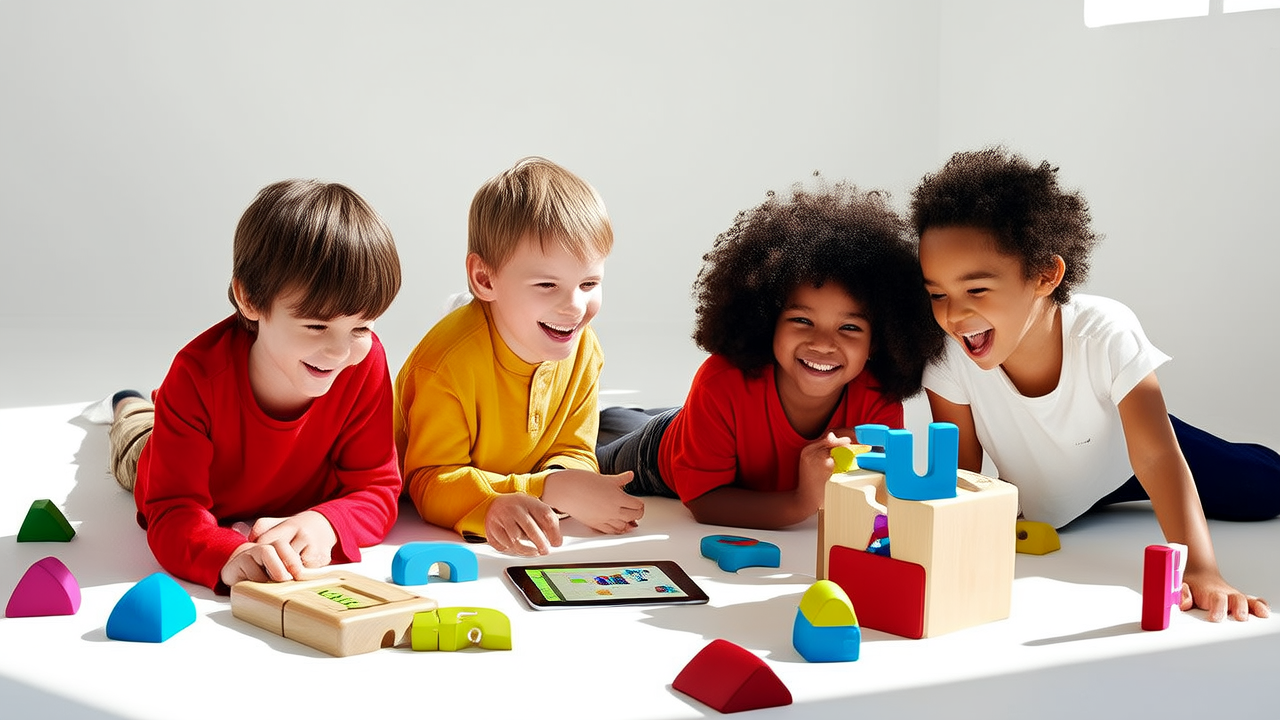
Parent Without Control: Practical Alternatives That Work
Parenting does not have to mean constant control, repeated commands, or punishing every mistake. Many caregivers now look for alternatives to parent-centered discipline and choose approaches that build cooperation, independence, and emotional regulation. Evidence from the American Academy of Pediatrics, CDC milestone guidance, and UNICEF early-childhood recommendations supports routines, responsive communication, play-based learning, and natural consequences. This article shares practical ideas and alternatives to traditional parenting habits, including positive discipline scripts, Montessori-inspired tasks, Pikler movement, screen-time swaps with Bluey, Khan Academy Kids, and GoNoodle, plus simple measurements like twenty-minute outdoor breaks, ten-minute check-ins, and three-cup water routines. These tools help caregivers guide children while reducing conflict, improving sleep, and encouraging self-confidence.
Why Caregivers Search for Alternatives to Parent
Many parents begin looking for alternatives to parent-centered control after a simple pattern repeats: commands, negotiations, frustration, and a late bedtime that feels worse than necessary. The American Academy of Pediatrics recommends routines, responsive parenting, and limit-setting that protects development, not harsh punishment. CDC milestone guidance shows children learn self-regulation through predictable adult responses, not by being forced into compliance every second. UNICEF notes play, rest, and safety are foundational rights for early development. When caregivers shift from control to guidance, children often cooperate more because they understand expectations, have choices, and see adults modeling calm problem solving.
Stress data supports this shift. Pew Research Center has reported that many parents describe parenting as stressful, and caregivers often want tools that reduce daily conflict without adding new tasks. That demand has pushed families toward Positive Discipline, Montessori home practices, Pikler-inspired movement, and structured play that does not require expensive gear. The goal is not to abandon boundaries. The goal is to make boundaries teachable, repeatable, and kind.
A useful frame is to ask what behavior you want to replace and what skill you want to build. If a child screams when leaving a park, the problem is transition practice, not defiance. If a child spills milk, the problem may be cup size, hand strength, or rushed timing. Alternatives to parent-centered reactions start by changing the setup.
Alternatives to Commands: Scripts That Invite Cooperation
Commands can work, but repeated orders often create power struggles. Scripts give children a role, a time cue, and a clear choice. Try using a short format: acknowledge, limit, offer choice, remind. For example: You want another turn on the slide. The rule is three turns, then we pack up. You can choose one more spin or the last slide run. We leave at the next car honk. This reduces pressure and gives the child agency.
Another useful script is the five-minute warning. Children often transition better when they can predict what comes next. Use a visual timer, a phone alarm, or a 10-foot countdown: ten steps left, then we go. For younger children, pair words with movement. For older children, use a checklist. The point is to make the boundary external rather than personal.
Conflict repair language
When conflict happens, caregivers can use repair language instead of blame. Phrases such as We got stuck. Let me help you reset. What do you need? turn a battle into practice. Positive Discipline founder Jane Nelsen describes kind and firm limits as a core parenting method. Kindness respects the child; firmness respects the need. A child who hears both learns emotional vocabulary and limits.
Repair scripts can be taught as a routine. Once a week, family can practice three sentences: I felt angry. I need help. Let’s try again. This is especially helpful for children who can speak but not yet regulate. For nonverbal children, use picture cards, gestures, or a calm corner with a soft mat. The aim is to make repair normal, not shameful.
Alternatives to Punishment: Repair, Limits, and Natural Consequences
Punishment often stops behavior temporarily but does not teach why. Alternatives focus on repair, limits, and logical consequences. If a child throws blocks, the block is removed until the child can help pick it up. If a child scribbles on the wall, the child gets a cloth and a safe paper, and the adult helps clean the wall. The consequence connects to the action and keeps the child’s dignity.
For school-age children, restorative routines can be stronger than timeouts. A short sequence works: stop, name the impact, make a plan, practice. For example: Hitting hurts hands. We keep hands safe. Next time, you can say stop, walk away, or ask for space. Then role-play the words. This teaches replacement behavior, not just silence.
Natural consequences are best when safe. If a child refuses a jacket, they may feel cold for five minutes before a warm indoor break. If a child hides a lunch box, they may go hungry until snack. Adults should not lecture; they can say, I see you are cold. Let’s get warm now. Tomorrow, we can try the jacket first. This creates cause-and-effect learning without shame.
Alternatives to Overhelping: Independence and Everyday Skills
Many caregivers hover because they want efficiency. A Montessori-inspired alternative is to prepare the environment so the child can do things alone. Low shelves, open hooks, small pitchers, step stools, and labeled baskets give children access. Real tools also matter. A 6-inch scissors, a small broom, a child-sized knife for soft foods, and a lightweight laundry basket make participation possible.
Montessori-inspired home tasks
Practical life tasks build confidence and focus. Children can pour water, wipe spills, fold napkins, carry groceries, put shoes on a rack, or set the table. Start with one task and repeat for seven days. Track success by whether the child can complete it without adult hands, not by whether it is perfect. A 3-year-old can pour 4 ounces of water with a small jug. A 6-year-old can carry a plate from the sink to the dishwasher. A 9-year-old can load a dishwasher with adult checks.
Overhelping often happens when adults do not want to wait. Build a 10-minute buffer into mornings. Use visual steps: clothes, socks, shoes, bag, teeth, brush, coat. For children who resist, give two acceptable choices. You can put on socks or shoes first. You can wear the red coat or the blue coat. Choices reduce fights because the child controls how, while the adult controls what is required.
Pikler and RIE movement ideas
Pikler and RIE approaches emphasize respecting infants and toddlers by allowing free movement. Instead of propping a baby into sitting or forcing crawling positions, provide floor time with simple objects. A 20-inch play mat, a wooden ring, a fabric ball, and a low mirror let babies explore at their own pace. The caregiver’s role is to observe, stay nearby, and keep the space safe. This can reduce constant carrying and help children learn body control.
For toddlers, RIE-inspired caregiving uses narration. While changing a diaper, say, Now I am lifting your leg. This helps children predict and participate. For a 3-year-old, ask, Can you hold your shirt up? These small invitations turn routine care into cooperative moments rather than battles.
Alternatives to Screens: High-Value Play and Learning Swaps
Screens can be part of modern family life, but caregivers often want alternatives to default viewing. The AAP guidance for young children limits media use and encourages high-quality programming. For children ages 2 to 5, many experts suggest about 1 hour of high-quality content per day, with co-viewing when possible. For older children, consistent limits matter more than total bans, especially when sleep, homework, outdoor time, and social play are protected.
When screen time replaces play, learning can become passive. A swap can help. Instead of opening a tablet for a full hour, try a 20-minute active break, a 10-minute creative project, or a 15-minute outdoor walk. If screens are used, choose content that invites interaction: Bluey, Sesame Street, Khan Academy Kids, Prodigy Math, Osmo, GoNoodle, LEGO building videos, or a short science clip. Then ask the child to show, explain, or build one idea from it.
Screen-time swaps that feel fun
- Swap 30 minutes of video for 10 minutes of dance with GoNoodle, then 20 minutes of free drawing.
- Swap a game app for 15 minutes of LEGO or Magna-Tiles building with a photo goal.
- Swap YouTube autoplay for one 12-minute Khan Academy Kids lesson, then a 5-minute walk.
- Swap a tablet before dinner for a 20-minute puzzle, card game, or scavenger hunt.
- Swap a streaming cartoon for a 10-minute audiobook and a quiet coloring page.
For older children, use a screen schedule with clear windows. For example, 30 minutes after homework, 30 minutes after chores, and none within 60 minutes of bedtime. Keep devices out of bedrooms when possible. Charge phones or tablets in a central spot. This protects sleep. CDC sleep guidance recommends 9 to 12 hours for children ages 6 to 12 and 8 to 10 hours for teens. Removing screens late at night can help children reach that range.
Physical activity alternatives are especially effective. The CDC recommends children ages 6 to 17 get at least 60 minutes of moderate to vigorous activity daily. WHO guidance for younger children suggests at least 180 minutes of physical activity in a variety of intensities across the day, with 60 minutes of energetic play for ages 3 to 4. A family can meet this with a 20-minute park visit, two 10-minute hallway games, and a 20-minute backyard run.
Alternatives to Busy Schedules: Slow Family Rhythms
Busy schedules can create meltdowns. Alternatives include predictable rhythms, fewer transitions, and protected downtime. A simple rhythm can be morning, school, afternoon, dinner, wind-down. The exact activities matter less than the predictability. For children who struggle with transitions, a visual schedule with five icons can reduce anxiety: breakfast, clothes, bag, activity, rest.
Try a 10-minute family check-in after dinner. Each person shares one thing that went well, one thing that felt hard, and one small plan for tomorrow. Keep it short. Do not solve everything. This builds communication without becoming therapy. For teens, a 15-minute walk can be more effective than a direct face-to-face conversation because side-by-side talk lowers pressure.
Protect one slow block each week. It can be a 45-minute nature walk, a 20-minute baking session, a 30-minute library trip, or an hour of unstructured water play. The goal is to reduce performance pressure. Children often test limits more when their days are packed and their nervous systems are overloaded. Slow time is not wasted time; it is regulation.
Table of Common Parent-Control Habits and Alternatives
| Common habit | Why it can backfire | Alternative to try | Measurement or brand idea |
|---|---|---|---|
| Repeat commands five times | Children learn to wait for louder tones | One warning plus a visual timer | 10-minute countdown; Time Timer or phone alarm |
| Yell to stop behavior | Yelling raises stress and models volume | Lower voice, move closer, give a limit | Use a calm-down jar or Headspace Kids meditation |
| Do tasks for children | Reduces skill and confidence | Prepare low shelves and child tools | 6-inch scissors; small pitcher; Montessori rack |
| Allow screens to calm every upset | Blocks emotion practice | Offer a sensory bin, walk, or drawing | 20-minute outdoor break; LEGO build |
| Punish every mistake | Focuses on shame, not learning | Repair, practice, natural consequence | Three-sentence repair: I felt, I need, let’s try |
| Fill every hour with activities | Creates rushed transitions | Protect one slow block | 45-minute walk; library story time; GoNoodle break |
Tables can make patterns visible. Choose one row each week and practice it for seven days. If the habit is yelling, replace it with a lower voice and a closer position. If the habit is overhelping, prepare one shelf. If the habit is screen default, add one outdoor swap. Small changes are easier to sustain than full family overhauls.
A Practical Weekly Plan to Replace Parent-Control Habits
Start with one problem area for a week. Use the following sequence to turn ideas into routines.
- Monday: Identify one trigger, such as leaving the park or morning shoes.
- Tuesday: Choose one script, such as three choices, then we leave when the timer ends.
- Wednesday: Prepare one environment change, such as a visual timer, low shelf, or snack basket.
- Thursday: Practice one repair language with a doll, stuffed animal, or calm moment.
- Friday: Add one screen swap, such as 10 minutes of GoNoodle and 20 minutes of drawing.
- Saturday: Use one natural consequence safely and observe the child’s response.
- Sunday: Review what helped, what failed, and what to repeat next week.
Track two outcomes: fewer repeated commands and faster transitions. If a child needs three prompts instead of five, that is progress. If morning shoes take 12 minutes instead of 25, that is progress. If a child can say I need help instead of throwing a toy, that is a meaningful skill gain.
For older children and teens, the same plan can be adapted. Use a 20-minute weekly meeting to review homework, screen windows, chores, and sports. Let them choose one consequence. For example, if homework is not done by 7:30 p.m., device time is reduced by 30 minutes the next day. The key is to keep consequences predictable, not emotional. Teens respond better when they have input and clear boundaries.
Caregivers also need support. If a child has persistent aggression, self-injury, severe sleep problems, or developmental concerns, seek pediatric guidance. The AAP and CDC recommend early evaluation when milestones are missed. A family therapist or occupational therapist can help when routines are not enough. Alternatives to parent-centered control do not mean parenting alone or ignoring serious needs.
Finally, remember that consistency is not perfection. There will be bad days. A caregiver who uses a calm script 60 percent of the time still gives a child a stronger model than one who uses only punishment. The aim is to build a home where boundaries teach, play develops, independence grows, and repair is normal. When caregivers choose alternatives to constant control, children often learn what matters most: how to cooperate, how to recover, and how to live with other people.
More Articles
 How Many Kids Does Vance Have? (2026)
 “Do You Like Surprises Kid?” Meme Meaning & Science
 Island Boys Epstein Rumor: Truth & Parent Guide
 Khloé Kardashian’s Kids’ Names & Privacy Choices
 Camp Mystic Safety: Truth, Records & Parent Checklist
 Homeschool Socialization: 7 Evidence-Based Strategies (2026)
 How Many Kids Nba Youngboy Have (2026)
 When Do Kids Start Reading? The Real Timeline
 Kids Sleep Routine: 7-Step Pediatric-Backed Plan (2026)
 Adventuring Parenting: Cut Burnout 63% (2026)