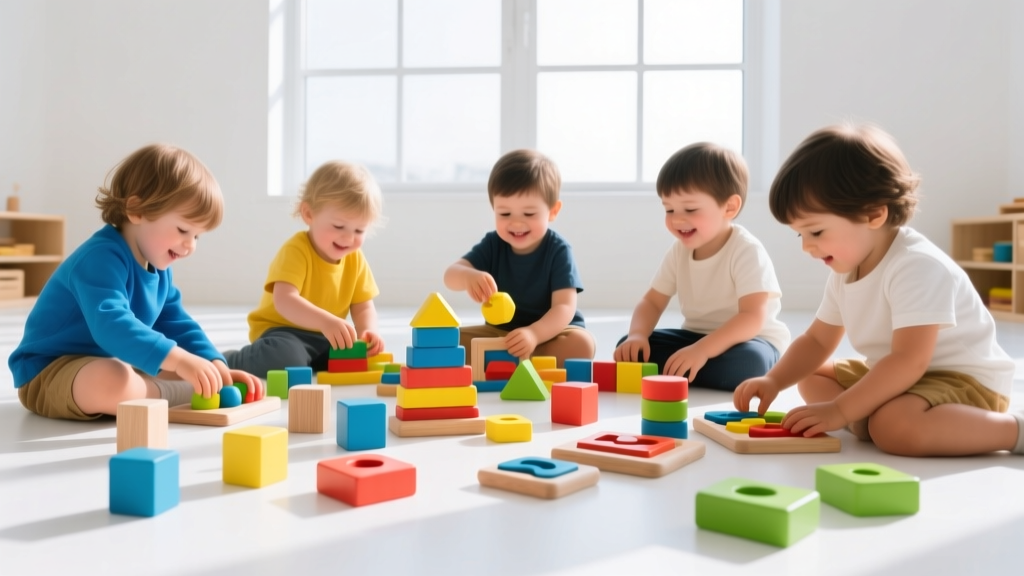
Positive Discipline: Techniques That Actually Work
What Positive Discipline Means
Positive discipline isn't permissive parenting. It's about teaching children why certain behaviors matter and giving them tools to make better choices—without shame, fear, or punishment as the primary motivator.
6 Techniques for Everyday Situations
1. Natural Consequences
Let children experience the results of their choices when safe: forgot lunch? They'll be hungry (and remember tomorrow). This teaches responsibility better than nagging.
2. Logical Consequences
When natural consequences aren't appropriate, create related ones: "If you throw the toy, the toy goes away for today." The consequence must be connected to the behavior.
3. Redirect and Offer Choices
"You can't draw on walls, but here's paper and markers. Which color first?" Redirecting to acceptable alternatives teaches boundaries without crushing creativity.
4. Family Meetings
Weekly 15-minute meetings where everyone discusses problems and solutions together. Kids feel heard and take ownership of family rules they helped create.
5. Encouragement Over Praise
"I noticed you shared your snack with your sister—that was kind" is more meaningful than "good job." Specific encouragement reinforces the behavior you want to see.
6. Time-In Instead of Time-Out
Sit with your child during difficult moments. "I can see you're really frustrated. Let's figure this out together." Connection calms the nervous system faster than isolation.
More Articles
 Ronaldo’s Kids with Georgina: Blended Family Truth (2026)
 Kids on Social Media: Under-13 Risks & Parent Action (2026)
 Kids Size 7 to Women’s: Exact Conversion Chart
 How to Get Help with Christmas for My Kids (2026)
 Did Katherine O'Hara Have Kids? The Truth (2026)
 Netflix on Kids iPad: Safe Setup Guide (2026)
 How Many Kids Does Baz Have in Animal Kingdom?
 Does Santa Have Kids? A Parent’s Guide (2026)
 Fiber Gummies for Kids: Safety, Dosage & Safer Alternatives
 Family Guy for Kids? Pediatrician-Reviewed (2026)