Baking Soda & Vinegar Volcano Experiment
Baking Soda & Vinegar Volcano Experiment
This classic kitchen chemistry activity demonstrates an acid-base reaction through a dramatic, foaming “eruption.” It’s ideal for preschoolers through middle schoolers and requires no special lab equipment—just common household items. Done right, it builds foundational science skills: observation, prediction, measurement, and cause-and-effect reasoning.
What You’ll Need (Exact Product Names & Quantities)
- Baking soda: Arm & Hammer Pure Baking Soda (8.4 oz box) — use 2–3 tablespoons per eruption
- Vinegar: Heinz White Vinegar (5% acidity, 16 oz bottle) — use ½ cup per eruption
- Tray or bin: Sterilite 18-Quart ClearView Latch Box (17.5" × 12.5" × 6.5") — essential for containing mess
- Volcano base: A clean, empty 16-oz plastic soda bottle (e.g., Coca-Cola or Pepsi bottle with label removed)
- Molding material: Crayola Air-Dry Clay (1 lb pack) or damp sand (from a sandbox or bagged Quikrete Play Sand)
- Food coloring: McCormick Liquid Food Coloring (red or orange works best for “lava”)
- Dish soap (optional but recommended): Dawn Ultra Dishwashing Liquid (1 tsp enhances foam volume and stability)
- Measuring tools: Learning Resources Primary Science Measuring Cups & Spoons Set (includes 1 tbsp, 1 tsp, and ½ cup measures)
Step-by-Step Setup (Ages 4–7 with Adult Help)
Children ages 4–7 should not handle vinegar or measure baking soda independently. An adult must supervise all steps involving pouring liquids or scooping powders. Start by placing the soda bottle upright in the center of the tray. Have the child help mold clay or sand around the bottle to form a volcano shape — leave the bottle opening fully exposed. Let air-dry clay harden overnight if used; sand volcanoes are ready immediately. Add 2 drops of red food coloring and 1 tsp Dawn dish soap directly into the bottle. This step can be done by the child with guidance.
Conducting the Eruption (Ages 5–12)
For children 5–8, use a small funnel (like the OXO Good Grips 2-Cup Funnel) to pour ½ cup Heinz vinegar into the bottle. For ages 9–12, let them measure and pour independently using the Learning Resources measuring cup. Then, have them quickly add 2 tablespoons Arm & Hammer baking soda — either poured in all at once or dropped in as a single scoop. Step back immediately. The reaction begins within 2 seconds and peaks at 5–8 seconds, producing thick, pink-tinged foam that overflows like lava.
The Science Behind the Eruption
This is a real chemical reaction: acetic acid (in vinegar) reacts with sodium bicarbonate (in baking soda) to produce carbon dioxide gas, water, and sodium acetate. The balanced equation is:
CH₃COOH + NaHCO₃ → CO₂ + H₂O + CH₃COONa
The rapid release of CO₂ gas creates bubbles. Dish soap traps the gas, forming stable foam. Food coloring makes the flow visible. Unlike real volcanoes, this reaction is non-toxic, non-exothermic (no heat produced), and ends in under 30 seconds.
Age-Appropriate Variations
- Ages 4–5: Focus on sensory exploration. Let them stir the colored vinegar-soap mix before adding baking soda. Use a large clear plastic cup instead of a bottle for easier viewing. Limit to one eruption per session.
- Ages 6–8: Introduce variables. Test 1 tbsp vs. 3 tbsp baking soda with same vinegar amount. Record observations in a simple chart (“More baking soda = bigger foam?”).
- Ages 9–12: Add quantitative testing. Use a ruler to measure foam height. Try different vinegars (apple cider vs. white) or temperatures (refrigerated vs. room-temp vinegar). Note: Heinz white vinegar gives most consistent results due to reliable 5% acidity.
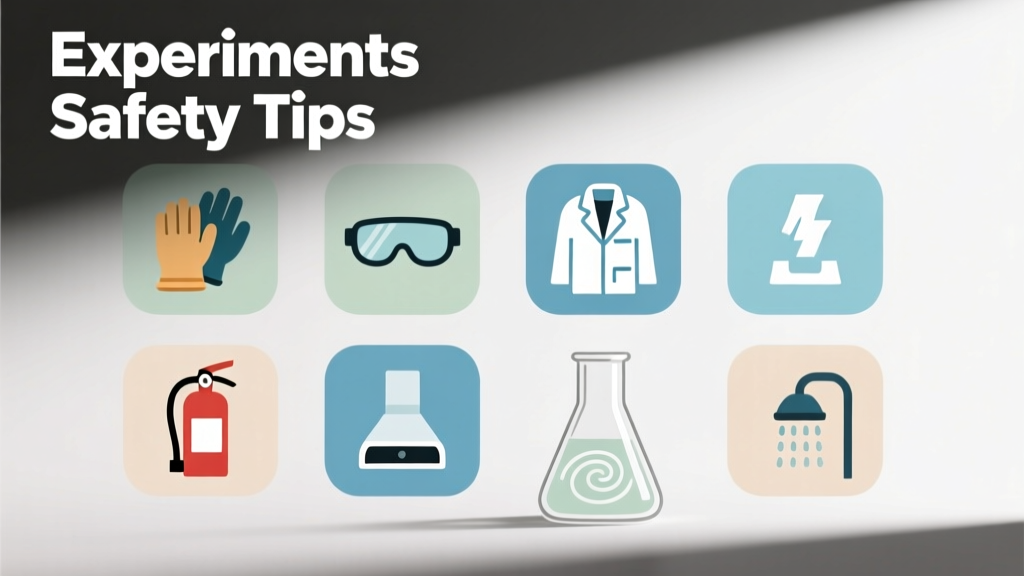
Critical Safety Tips
- No ingestion: Baking soda and vinegar are food-grade, but the mixture tastes extremely bitter and may cause nausea or stomach upset. Keep out of reach of toddlers and enforce “hands only” rule during setup and eruption.
- Eye protection: Wear ANSI Z87.1–certified safety goggles (e.g., Uvex Stealth OTG for kids or adults). Foam can splash upward unexpectedly — especially with larger amounts or narrow bottles.
- Skin contact: Vinegar may sting broken skin or sensitive eczema-prone areas. Wash hands with soap and water after handling. Avoid using on carpet, unfinished wood, or stone surfaces — vinegar is acidic and can etch.
- Surface protection: Always conduct on a non-porous surface inside the Sterilite tray. Never do this on rugs, hardwood floors, or granite countertops without full coverage.
- Respiratory note: The CO₂ released is harmless in open-air, well-ventilated spaces (e.g., garage, patio, or kitchen with fan on). Do not perform in small, unventilated closets or under plastic tents.
Cleanup Made Easy
Wait until foam fully subsides (usually 2–3 minutes). Pour remaining liquid down the sink with running water. Rinse the bottle and tray thoroughly. Wipe clay/sand volcano with a damp cloth — do not soak air-dry clay. If using sand, sift and reuse. Vinegar odor dissipates within 10 minutes; a quick wipe with diluted baking soda paste (1 tbsp baking soda + 1 tsp water) neutralizes residual acidity on surfaces.
Troubleshooting Common Issues
- No foam or weak eruption: Vinegar may be old (acidity degrades after 2 years) — check expiration date on Heinz bottle. Or baking soda was exposed to moisture — replace with fresh Arm & Hammer box.
- Foam too runny: Too much vinegar or not enough dish soap. Stick to ½ cup vinegar + 1 tsp Dawn.
- Foam starts too slowly: Bottle opening may be partially blocked by clay or sand. Ensure full 1-inch diameter opening is clear.
- Overflowing outside tray: You used more than ½ cup vinegar or added baking soda too slowly. Use exact measurements and pour baking soda in one swift motion.
Educational Extensions
Pair the experiment with age-targeted discussion questions: For ages 4–6: “What changed? What stayed the same?” For ages 7–9: “Why did it fizz? Where did the bubbles come from?” For ages 10–12: “How is this like real volcanic gases? How is it different?” Supplement with free resources: USGS Volcano Hazards Program’s “Volcano Types” page or the National Geographic Kids “Volcanoes 101” video (5 min, rated G).
Why This Works Better Than Alternatives
Unlike glitter-based “lava” or cornstarch mixes, this experiment teaches authentic chemistry with measurable outcomes. Alka-Seltzer tablets work but cost more per trial and introduce citric acid complexity. Dry ice “eruptions” require gloves and ventilation — not suitable for home use with young children. This method uses low-cost, shelf-stable, FDA-approved ingredients and delivers immediate, repeatable results with zero prep time beyond gathering supplies.
Final Notes for Educators & Parents
Repeat eruptions are possible — just rinse the bottle between trials. Store unused baking soda in its original box (not a jar) to prevent moisture absorption. Keep vinegar in its original bottle — refrigeration isn’t needed but extends shelf life. One 16-oz bottle of Heinz vinegar and one 8.4-oz box of Arm & Hammer yields ~12–15 full eruptions. For classrooms, pre-portion baking soda into labeled snack bags (2 tbsp each) and vinegar into ½-cup plastic cups with lids to streamline rotation.
More Articles
 Best Sensory-Friendly STEM Toys for Autistic Kids (2026)
 How Questions for Kids That Build Critical Thinking
 Water Table for Kids: Hands-On Learning Guide
 Screen-Free Robotics for Kids: 10 Coding Logic Projects
 Solar Oven for Kids: STEM Guide (2026)
 Science Experiments Using Only Kitchen Items
 Kitchen Science: 10 Experiments for Families
 Microscope Activities for Young Scientists
 Lab Safety Tips for Kids Science Experiments
 Montessori Trends 2026: Pedagogy, Tech & Global Shifts