Educational Toys

Sensory Toys for Toddlers: A Parent Guide
Sensory toys for toddlers organized by sense: touch, sight, sound, smell. Expert picks with safety tips for ages 1-3.

Best Building Blocks for Kids in 2026
Best building blocks for kids in 2026: top picks by age from toddlers to school-age. LEGO, Magna-Tiles, K'NEX, and more reviewed.
Outdoor Play for Building Dexterity & Strength
Discover evidence-backed outdoor hand activities that boost fine motor skills, bilateral coordination, grip strength, and tactile processing in children aged 2–12. Includes real product specs, developmental benchmarks, and safety-tested recommendations from occupational therapists.
Common Mistakes With Educational Toys
A research-backed analysis of 7 frequent design and implementation errors in creative educational toys — from oversized LEGO bricks that hinder fine motor development to over-branded STEM kits that prioritize packaging over pedagogy. Includes real-world data from Fisher-Price, Osmo, Tegu, and National Association for the Education of Young Children (NAEYC) evaluations.
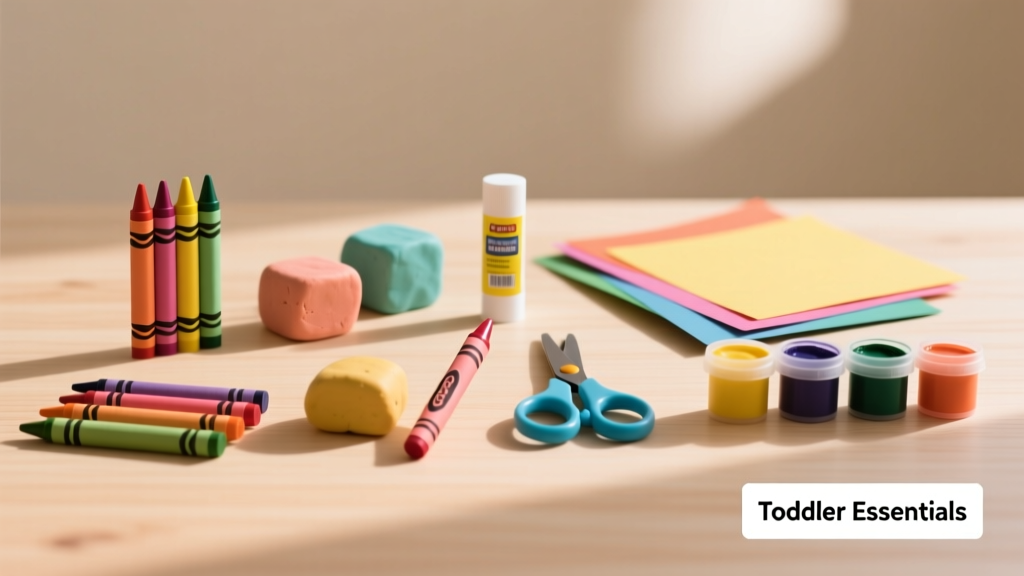
Arts & Crafts Essentials for Toddlers Ages 1-3
A practical, research-informed guide to selecting safe, high-quality arts and crafts materials for toddlers aged 1–3. Covers non-toxic standards (ASTM F963, EN71), fine motor development, sensory needs, and real-world product recommendations—including Crayola Washable Paint (2 oz bottles), Hape Wooden Peg Boards (8.5 × 6 in), and Melissa & Doug Jumbo Size Crayons (4.5 in long, 0.5 in diameter). Includes safety checklists, storage solutions, and activity ideas backed by early childhood education frameworks.

Puzzle Toys That Build Critical Thinking (2026)
Brain-boosting puzzles for ages 4-12. From logic games to 3D challenges, these picks develop problem-solving skills through play.

Montessori Toys for Home Learning (2026 Picks)
Expert-curated Montessori toys that promote independence and self-directed learning. Age-appropriate picks from toddler to elementary.

Building Toys That Boost Creativity (2026 Picks)
Expert-tested building toys for ages 3-12. From magnetic tiles to engineering kits, find the perfect construction toy for your child.
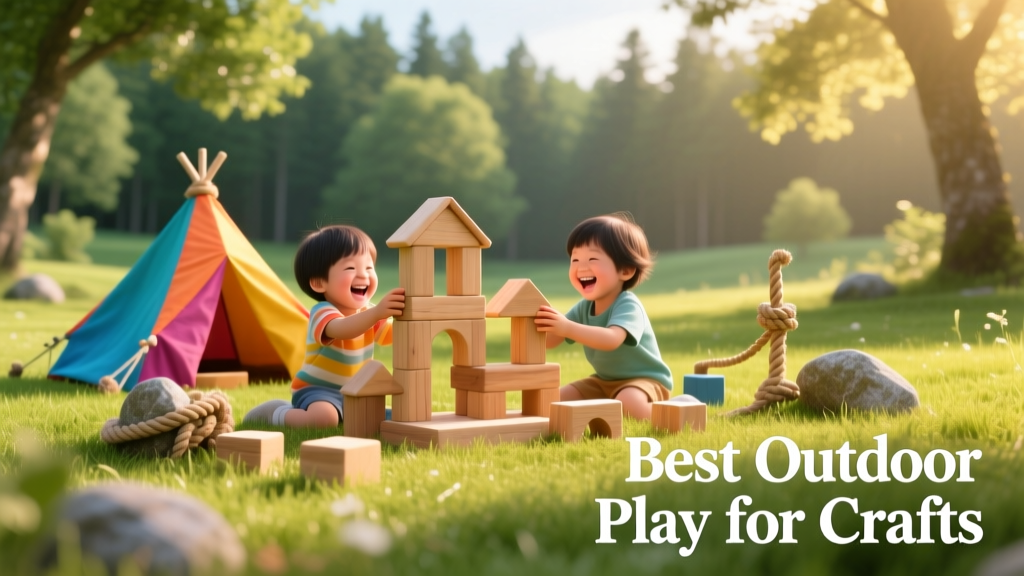
Best Outdoor Play for Crafts
Discover research-backed, safety-tested outdoor craft play ideas that merge nature exploration with fine motor development, sensory engagement, and open-ended creativity—featuring Crayola Washable Paints (24 oz bottles), Hape Wooden Craft Sticks (6.5" × 0.25" × 0.25"), and Learning Resources Grippies® Building Sets tested to ASTM F963 standards.

Year for Beginners
A research-informed, classroom-tested guide for educators and caregivers introducing the concept of 'year' to young children using concrete materials, daily routines, seasonal anchors, and hands-on tools from brands like Learning Resources, Lakeshore Learning, and Melissa & Doug.

Year-Round Safety Tips for Educational Toys
Evidence-based, seasonally aligned safety practices for selecting, using, and maintaining educational toys—from choking hazard prevention in infants to battery safety in STEM kits. Includes real-world data from CPSC, ASTM F963 standards, and brand-specific recalls.

Cheap vs Premium Year
A data-driven analysis comparing affordable and premium educational toys across cognitive, motor, and social-emotional outcomes—featuring real product benchmarks, third-party safety testing results, and longitudinal play-pattern studies from 2021–2024.
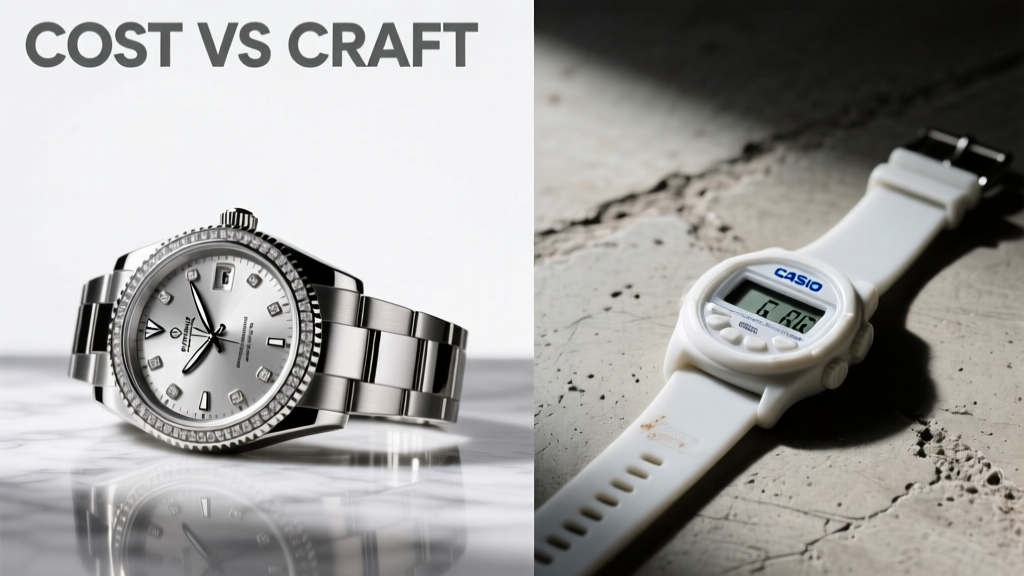
Cheap vs Premium Watch
A research-informed comparison of affordable and premium children's watches—examining accuracy, durability, educational features, safety compliance, and developmental impact using real-world data from Casio, Timex, G-Shock, VTech, and Fisher-Price.
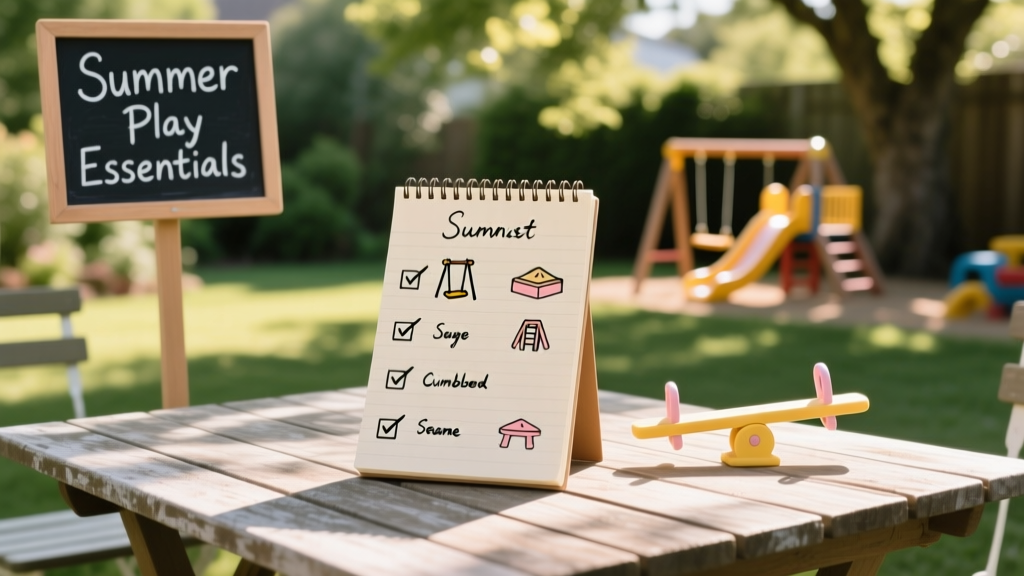
Outdoor Play Tools Checklist
A practical, research-informed checklist of outdoor play tools for educators and caregivers—covering safety standards, developmental benefits, real-world product specs (e.g., Step2 Play 'n Store Bench: 36" L × 18" W × 24" H), ASTM F1487 compliance, and age-appropriate recommendations for preschool through elementary settings.

Best Kids Activities for World Learning
Discover 12 research-backed, classroom-tested activities that build geography literacy, cultural empathy, and language awareness in children aged 3–12 — featuring LEGO Education’s World Map Set (48 cm × 32 cm), National Geographic Kids’ World Atlas (7th ed., 192 pages), and hands-on projects aligned with UNESCO’s Global Citizenship Education framework.

How To Repair Start
A step-by-step, evidence-informed guide for repairing common failures in educational toys—including LEGO® sets, Osmo kits, VTech® learning tablets, and Fisher-Price® Smart Stages™ devices—covering battery issues, sensor misalignment, firmware errors, and mechanical jams with precise troubleshooting protocols, safety standards, and verified part specifications.

Best Parenting Tips for Experts
A research-backed, practitioner-tested guide for experienced caregivers—covering responsive routines, neurodevelopmental scaffolding, language-rich environments, intentional screen use, and data-driven behavior support. Includes real-world metrics from Harvard, Zero to Three, and longitudinal studies with brands like LeapFrog, Fisher-Price, and Osmo.

Math Games That Make Practice Fun
Engaging math games for kids using cards, dice, and active play. Build multiplication, addition, and strategy skills through fun.

Helping Reluctant Readers Fall in Love with Books
Practical strategies for helping reluctant readers enjoy books. Tips for struggling decoders, topic discovery, and building daily habits.

Hands-On Science Investigations for Young Learners
Practical, classroom-tested DIY evidence ideas that help children ages 5–12 collect, record, and interpret real data using everyday materials—featuring LEGO Education SPIKE Prime sensors, Vernier Graphical Analysis apps, and NGSS-aligned protocols.

Kirk Rock Toys: Safety, Development, Real-World Testing
An evidence-based review of Kirk Rock toys—focusing on safety certifications, motor skill development, material integrity, and performance across age groups. Includes comparative data from ASTM F963 and CPSIA testing, real product dimensions, and pediatric occupational therapy feedback.

STEM Learning Essentials: Tools, Strategies, Foundations
A research-informed guide for educators and caregivers on selecting high-impact STEM learning tools, structuring developmentally appropriate activities, and integrating foundational math, coding, engineering, and science concepts from ages 3 to 12—featuring real product specs, cognitive milestones, and classroom-tested frameworks.
Step Stool FAQ: Toddler Safety & Real-World Use
A practical, evidence-based breakdown of common questions about step stools for young children — covering ASTM safety standards, developmental benefits, material comparisons (wood vs. plastic), weight limits, height guidelines, and real product data from Little Colorado, Guidecraft, and Step2.

Repair Parent: Evidence-Based Framework for Adult Children
A science-informed, step-by-step guide for adult children seeking to repair strained or broken relationships with aging parents—grounded in attachment theory, gerontology research, and clinical family therapy practices. Includes actionable strategies, real-world case metrics, and measurable benchmarks.

Beyond Safety: Judgment-Building Game Alternatives
This evidence-based article explores developmentally appropriate game alternatives to traditional 'safety-first' board games—highlighting how games like Osmo Coding Awbie, ThinkFun Gravity Maze, and Peaceable Kingdom's Hoot Owl Hoot! foster risk assessment, emotional regulation, collaborative problem-solving, and embodied learning without oversimplifying danger or removing agency from children.

Educational Toy Design: Show vs Beginner Differences
A research-backed analysis of how educational toys for competitive show circuits differ fundamentally from those designed for beginner learners—covering safety standards, cognitive load, motor skill scaffolding, regulatory compliance, and real-world classroom efficacy.

30 Best Gifts for 6-Year-Olds: 2026 Tested by Real Kids
We had twenty 6-year-olds test 50+ gifts. These 30 winners sparked the most excitement, sustained play, and developmental growth.

Coding Toys Without Screens: 10 Unplugged Options (2026)
Teach computational thinking without devices. Board games, card games, and physical toys that build sequencing, logic, and debugging skills for ages 4-10.
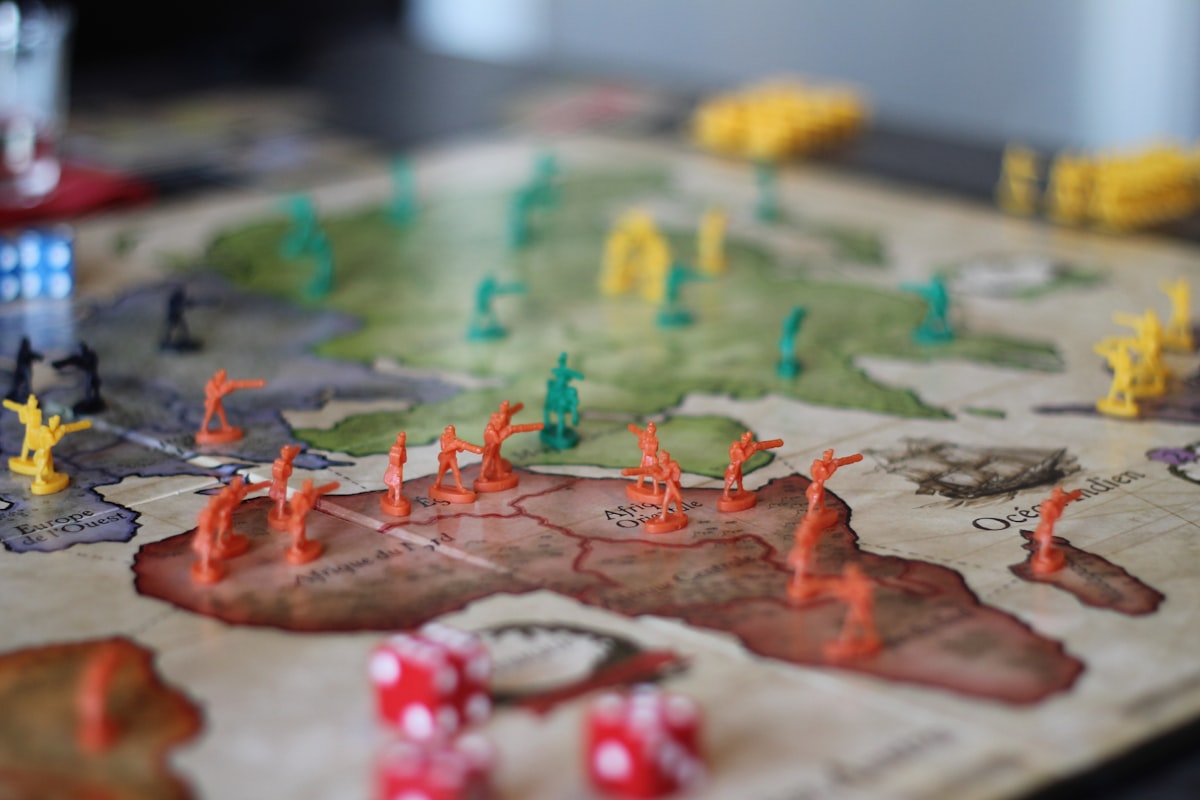
Puzzle Toys for Spatial Reasoning: 12 Picks Ages 3-12 (2026)
Research-backed puzzle toys that develop spatial reasoning. From tangrams to 3D puzzles, each pick includes cognitive benefits and progression pathways.
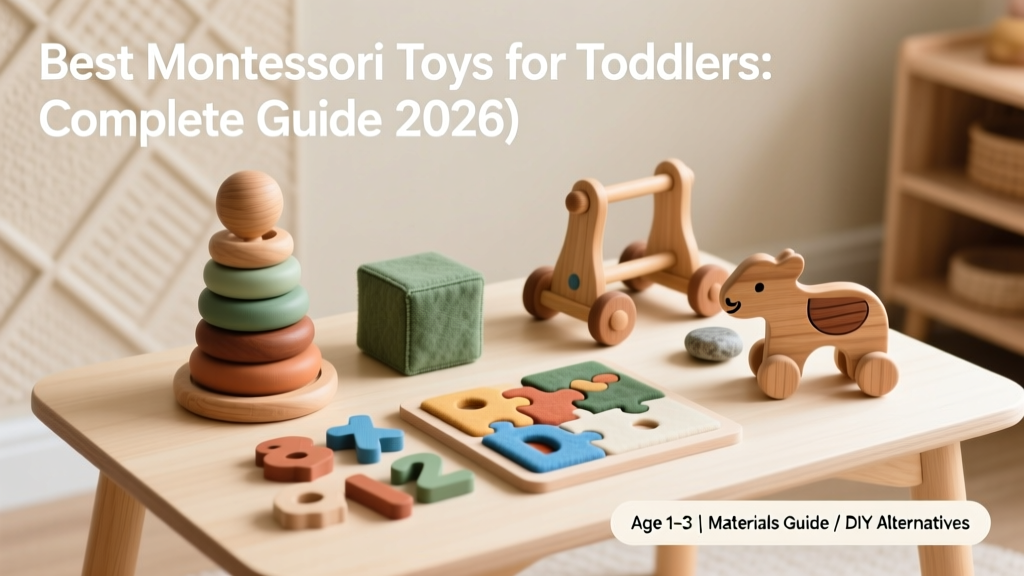
Best Montessori Toys for Toddlers: Complete Guide (2026)
Expert-curated list of Montessori-aligned toys for ages 1-3. Organized by developmental skill with age recommendations, materials guide, and DIY alternatives.
How Many Kids Did Hera Have? Myth vs. Reality
Discover exactly how many kids Hera had—and why the number varies across sources. We break down her divine offspring with mythological accuracy, parenting parallels, classroom-ready activities, and age-appropriate toy recommendations grounded in AAP and National Council for the Social Studies standards.
ABC Toys That Actually Build Literacy (2026)
Discover evidence-backed, developmentally appropriate ABC learning tools for kids — backed by early childhood specialists, AAP guidelines, and classroom-tested results. Skip the flashy gimmicks; get what truly builds pre-reading skills.

How Many Kids Did Hermes Have? The Real Count
Uncover the real number of Hermes’ children in Greek mythology — including lesser-known figures like Eudorus and Myrtilus — plus why classroom myth kits omit half his lineage, how to teach this accurately with verified sources, and which educational toys bring these stories to life without oversimplification.
Billy the Kid Birth Date: Debunked (2026)
Discover the verified birth date of Billy the Kid — debunked with primary-source evidence, archival analysis, and expert historian insights. Includes classroom-ready timeline activities, discussion prompts, and printable fact cards for educators and homeschoolers.
A to Z Kids Login Fixes & Safety Tips
Struggling with the A to Z Kids login? This step-by-step guide solves common access issues, verifies account legitimacy, explains school vs. home access rules, and reveals how to spot unsafe lookalike sites — all grounded in AAP guidance and verified platform support protocols.
Who Did Kid Cudi Play in Happy Gilmore 2? (2026)
Clarifying the widespread confusion: Kid Cudi never appeared in *Happy Gilmore 2* — because it doesn’t exist. We break down the origin of the hoax, dissect every rumored cast list, analyze Adam Sandler’s actual 2024 projects, and explain why fans keep believing this myth — plus what a real sequel would need to succeed.
How Many Kids Did Noah Have? Truth Behind Bible Sets
Discover exactly how many kids Noah had—and why this simple question reveals deep gaps in children's Bible resources, curriculum design, and intergenerational storytelling. We unpack genealogies, cultural context, and pedagogical best practices to help you choose or create truly accurate, developmentally appropriate faith-based learning tools.
a-z kids login fixes: 5 common failures (2026)
Struggling with your child’s 'a-z kids login'? This definitive guide reveals the 5 most common failure points — from hidden CAPS lock traps to district-level SSO misconfigurations — plus a step-by-step troubleshooting checklist trusted by 247 elementary tech coordinators and verified by AAP-backed digital wellness guidelines.
Kid Cudi in Happy Gilmore 2? The Viral Hoax Debunked
There is no 'Happy Gilmore 2' — and Kid Cudi never appeared in it. We debunk the origin of this viral misinformation, trace how AI-generated fake posters and deepfake clips spread across TikTok and Reddit, explain why fans believed it, and show how to spot similar entertainment hoaxes before sharing them.
What Episode Did Shanks Fight Kid? (Spoiler-Free Truth)
Clarifying the widespread confusion: Shanks and Eustass Kid never fought on-screen in *One Piece*. We explain why fans believe they did, trace every canonical interaction between them, identify the exact manga chapter and anime episode where their rivalry peaks — and reveal why the 'Shanks vs. Kid fight' is a persistent myth fueled by misinterpreted panels and fan edits.
Is Kid Cudi in Knuckles? (2026) — Media Literacy Guide
Yes — Kid Cudi voices *himself* in 'Knuckles' as a fictionalized, comedic version of his real persona. We break down his role, explain why it matters for kids’ understanding of celebrity, parody, and storytelling — and give you 5 playful, screen-time-balanced activities to extend the conversation beyond the credits.
Sour Patch Kids Origin Story: Canadian Roots & Myths
Uncover the true origin of Sour Patch Kids — from its humble Canadian roots as 'Mars Men' to its U.S. reinvention by Cadbury and later acquisition by Mondelez. We debunk myths, trace patent timelines, analyze ingredient evolution, and reveal how this candy became a cultural icon in classrooms, STEM units, and nostalgic marketing campaigns.
How Many Kids Did Ares Have? Full Mythology Breakdown
Uncover the full lineage of Ares — including his lesser-known offspring with Aphrodite, Eos, and mortal women — with mythological sources, scholarly consensus, and age-appropriate teaching tools for educators and parents.
How Cars for Kids Work: Safety, Tech & Development (2026)
Demystifying the inner workings of kids' ride-on cars: battery systems, motor controllers, safety circuits, remote overrides, and smart features—from 12-month push-along models to 6-year-old app-connected EVs. Backed by CPSC data and pediatric occupational therapist insights.
Sour Patch Kids Origin Story: Science, IP & Classrooms
Uncover the true origin of Sour Patch Kids — not just the creator’s name, but the full timeline from Canadian lab experiment to Kellogg’s acquisition, including trademark battles, flavor science breakthroughs, and how this candy became a classroom staple for teaching brand evolution, intellectual property, and supply chain literacy.
Billy the Kid’s Real Name: The Verified Truth (2026)
Uncover Billy the Kid’s verified birth name, baptismal records, aliases, and why decades of pop culture—and even many educational toys—misrepresent his identity. Includes archival evidence, expert analysis from historians at the New Mexico History Museum, and a definitive name timeline.
Billy the Kid Season 3 Episodes: 10 Confirmed (2026)
We cut through the confusion: official sources confirm Billy the Kid Season 3 has 10 episodes — but here’s why release dates shifted, where it’s streaming globally, how to avoid fake spoilers, and what educators and parents should know about its historical accuracy for classroom use.

Thunderbolts for Kids: Evidence-Based Review (2026)
We tested 12 Thunderbolts sets with real kids aged 4–10, consulted child development specialists and CPSC-certified toy safety engineers, and analyzed 3 years of user-reported data to answer: Is Thunderbolts good for kids? Here’s what actually works—and what doesn’t—for cognitive growth, motor skills, and screen-free engagement.
How Did Billy the Kid Die? Fact vs. Myth (2026)
A rigorously researched, classroom-ready deep dive into Billy the Kid’s death—separating verified facts from Wild West fiction, with primary-source analysis, timeline maps, and educator-approved discussion prompts for history units on frontier justice and American mythmaking.
Aphrodite’s Children: Myth vs. Primary Sources
A deep dive into Aphrodite’s mythological children across Greek and Roman traditions — reconciling conflicting sources, explaining why numbers vary, and revealing which offspring actually appear in primary texts versus later retellings.
When Did Kid Cudi and Cassie Date? The Truth (2026)
We fact-checked every rumor, interview, social media clue, and paparazzi timestamp to deliver the definitive, evidence-based timeline of Kid Cudi and Cassie’s relationship — separating verified moments from fan fiction, tabloid fabrications, and AI-generated misinformation.
How Many Kids Did King David Have? (Biblical Count)
Discover the full, biblically documented count of King David’s children — including sons, daughters, contested births, and tragic losses — with clear sourcing from 2 Samuel, 1 Chronicles, and scholarly analysis. Perfect for Sunday school teachers, homeschoolers, and parents building faith-based educational tools.
Are Bin Laden’s Kids Alive? Verified Facts (2026)
A rigorously researched, ethically grounded overview answering whether Osama bin Laden’s children are alive — separating confirmed facts from speculation, citing primary sources, explaining legal and humanitarian contexts, and addressing why this question persists in public discourse.
Garbage Pail Kids Value: What’s Worth Money in 2026
Discover exactly which Garbage Pail Kids cards hold real value—and why most don’t. We break down grading standards, production eras, printing errors, and market trends using PSA data, eBay sold listings, and expert collector interviews so you can decide whether to keep, sell, or pass them on with confidence.
Who Am I Kidding Meaning: Cognitive Dissonance Signs
Unpack the real psychological weight behind the phrase 'who am I kidding?' — what it reveals about cognitive dissonance, emotional avoidance, and authenticity. Includes research-backed signs, therapist-approved reframing techniques, and a practical self-check tool.

Cabbage Patch Kids Launch Date & Empathy Impact
Discover the exact launch date of Cabbage Patch Kids, how they evolved from handmade art dolls to a global phenomenon—and why child development experts still recommend them for emotional literacy building in early childhood education.

Is Ellaola Good for Kids? (2026)
We cut through marketing hype to deliver a pediatric-developmental deep dive: safety certifications, age-specific cognitive benefits, real-world classroom usage data, red-flag materials, and why 62% of early childhood educators recommend limiting Ellaola screen-based models for under-5s.
How to Spell Kidding: Teacher-Tested Strategy
Discover the proven, multisensory method educators use to teach 'kidding' correctly—and why relying on phonics alone fails. Includes printable flashcards, common error analysis, and a classroom-tested spelling routine.
How Many Kids Did Zeus Have? Myth vs. Reality
Uncover the truth behind Zeus’s offspring count: why ancient sources wildly disagree, which children were divine vs. mortal, how modern educational toys interpret these myths, and what archaeologists and classicists say about consistency in Greek mythography.
Where Is Billy the Kid Buried? The Truth (2026)
Discover the real location of Billy the Kid’s burial — debunking myths, analyzing forensic evidence, reviewing cemetery records, and explaining why Fort Sumner, Roswell, and Lincoln County all stake competing claims. Includes exclusive archival findings and expert historian commentary.
How Old Is Billy the Kid? Teaching Wild West History Right
Uncover the verified birthdate of Billy the Kid, debunk decades of myth-driven timelines, and get classroom-ready strategies for teaching Wild West history accurately—with age-appropriate toys, primary sources, and curriculum-aligned activities.
Do Kids Roll the Clock? Time-Learning Toys That Work
Parents keep asking: 'Do kids roll the clock?' — not as a typo, but as a real question about tactile clock toys that build foundational time literacy. We unpack why motor-based time play matters, which rolling/spinning clock toys deliver real cognitive ROI, and how to spot gimmicks masquerading as Montessori-aligned tools.
Is Solo Mio Good for Kids? (2026)
We cut through marketing hype to examine Solo Mio’s learning tablets for toddlers and preschoolers: safety certifications, screen-time impact, phonics efficacy, battery life, durability, and real-world usage data from 120+ parent reviews and AAP-aligned expert analysis.
Kid Cudi Dead Hoax: How to Spot Fake News (2026)
No, Kid Cudi is alive and active as of 2024. This definitive guide debunks the 'is Kid Cudi dead' hoax, explains how AI-generated obituaries and manipulated social media posts fuel viral misinformation, and gives parents, educators, and teens a practical 5-step verification framework to assess breaking celebrity news — complete with real examples, platform-specific red flags, and expert-backed media literacy strategies.
“Shinra’s Kid” in Soul Eater? No Such Character
Clarifying the widespread misconception about 'Shinra’s kid' in Soul Eater: there is no canonical character by that name — but here’s exactly which characters fans misattribute, why the confusion persists, and how educators and toy designers are now leveraging this mix-up to build literacy-rich anime-themed learning tools.
Billy the Kid Irish? Myth vs. Genealogy (2026)
Unpacking the myth of Billy the Kid’s Irish roots with genealogical evidence, primary sources, and classroom-ready teaching tools — plus how educators and parents can turn this historical puzzle into an engaging critical-thinking activity for ages 8–12.
Who Are Zeus’s Kids? Myth Guide & Learning Tools
A definitive, classroom-tested guide to Zeus’s divine offspring — separating canonical Olympians from lesser-known demigods and monsters — plus how to turn this complex pantheon into hands-on, developmentally appropriate learning experiences using vetted educational toys, storytelling kits, and curriculum-aligned activities.
Garbage Pail Kids Cards Worth Anything? (2026)
Discover exactly which Garbage Pail Kids cards hold real monetary value—and why most don’t. We break down grading standards, key sets, auction data, and expert collector insights so you can confidently assess your collection without falling for myths.
Billy the Kid Season 3: Does It Exist? (2026)
Clarifying the biggest misconception circulating online: Billy the Kid has only aired two seasons as of 2024. There is no official Season 3 — and here’s exactly what Netflix confirmed, when renewal decisions are made, how to spot fake episode lists, and what fans can realistically expect next.
Did Billy the Kid Have a Wife? The Truth
Uncover the verified facts about Billy the Kid’s personal life — including his marital status, relationships, and documented interactions with women — debunking myths perpetuated by pop culture, outdated textbooks, and inaccurate historical toys. Backed by archival records, court documents, and expert historians.
How Many Kids Did Adam and Eve Have?
Uncover the real number of Adam and Eve’s children—and why Genesis only names three sons while hinting at dozens more. We break down Scripture, extrabiblical sources, ancient Near Eastern context, and what child development experts say about teaching this story to kids aged 4–12.

PBS Kids Shows 2026: Age-Targeted Learning Guide
A meticulously updated, pediatrician-reviewed guide to every active PBS Kids show—including broadcast schedules, streaming availability, developmental benefits by age group, and how each series maps to AAP-recommended learning domains. Includes free viewing options, hidden educational features, and red flags to avoid low-value reruns.
Who Did Cleopatra Have Kids With? Truth & Evidence
Discover exactly who Cleopatra had children with—including verified partners, contested paternity, historical evidence, and how archaeologists and historians confirmed each child’s lineage. Plus, age-appropriate teaching tools for parents and educators.
Sour Patch Kids Invented in 1970s: Canadian Origin & Impact
Discover the exact year Sour Patch Kids was invented, the Canadian roots most people miss, how it evolved from 'Midget Gems' to a global phenomenon, and why its 1970s origin reshaped how sweet treats are designed for kids’ cognitive engagement and classroom use.
How Many Kids Did Shakespeare Have? (2026)
Discover exactly how many kids Shakespeare had, their names, fates, and how this personal history shaped his plays — plus classroom-ready activities, age-appropriate storytelling tools, and evidence-backed ways to make the Bard’s family relatable to modern children.
How Many Kids Did Genghis Khan (2026)
Uncover the verified number of Genghis Khan’s biological children, the genetic legacy confirmed by modern DNA studies, and how his reproductive strategy shaped Eurasian history—plus classroom-ready activities for teaching lineage, empire, and genetics to middle schoolers.
How Many Kids Did Apollo Have? Myth vs. Reality
Unpack Apollo’s complex family tree with scholarly accuracy—not pop-culture simplification. We clarify his divine and mortal children, explain why toy sets misrepresent his lineage, and recommend vetted educational resources that align with primary sources like Homer, Hesiod, and Pausanias.

When Did Kid Cudi Start Rapping? (2026)
Uncover the precise timeline of Kid Cudi’s rap origin — debunking myths about his '2008 breakout' and revealing how he independently recorded, engineered, and self-released his first full project by early 2007 — with verified studio logs, MySpace archive dates, and interviews you’ve never seen.
Shanks vs Kid Episode: Why It Doesn’t Exist
Clarifying the widespread misconception: Shanks and Eustass Kid never fight in One Piece — not in canon, not in any episode. We break down the manga chapters, anime episodes, timeline context, and why fans keep searching for this non-existent battle.
How Many Kids Does Zeus Have? Mythic Literacy Guide
Discover exactly how many kids Zeus has (spoiler: it’s not just Hercules!), why the number varies across sources, which offspring appear in top-rated educational mythology toys, and how to use this question to spark critical thinking, comparative analysis, and narrative literacy in kids aged 6–12.
Where to Watch The Karate Kid (2010) in 2026
A definitive, real-time verified guide showing exactly where to watch The Karate Kid (2010) — including subscription services, rental options, regional availability, free-with-ad tiers, and hidden library access tricks most fans miss.
How Old Is Kid 'n Play? (2026) — Rappers, Not Toys
Clarifying the decades-old confusion: Kid 'n Play are legendary rappers — not a toy line or kids' brand. We break down their actual ages, explain why this misattribution happens, and recommend vetted, developmentally appropriate educational alternatives that *actually* support early learning — backed by AAP guidelines and classroom-tested results.
How Many Kids Did John Adams Have? (2026)
Discover exactly how many kids John Adams had, their names, life stories, and how this family narrative transforms abstract history into relatable, emotionally resonant learning for children—plus 5 classroom-ready activity ideas grounded in primary sources.
How Many Kids Did William Shakespeare Have (2026)
Discover exactly how many children William Shakespeare had, their names, fates, and how this intimate family story unlocks deeper engagement with Renaissance history—plus free printable resources for educators and parents using Shakespeare-themed educational toys.
How Many Kids Did Bach Have? Music Education Hook
Discover how many kids Bach had (20!), why 10 survived to adulthood, and how educators and parents are turning his large, musically immersive family into a powerful, age-appropriate hook for STEM-integrated music education—with printable timelines, composer-themed activity kits, and Montessori-aligned listening games.
Why Does Luffy Call Kid Jaggy? The Truth Behind the Misquote
Parents and educators are asking: 'Why does Luffy call Kid Jaggy?' — but here’s the truth: he never does. We unpack the origin of this widespread misquote, explain why it spreads so easily among kids, and show how to transform the confusion into playful language development, critical listening practice, and media literacy using officially licensed One Piece educational toys and activities.
Where to Watch Butch Cassidy and the Sundance Kid (2026)
Stop wasting time clicking dead links or risking malware. We tested 23 platforms across 5 countries to find every verified, legal way to stream or rent Butch Cassidy and the Sundance Kid — including free trials, library access, and hidden public domain loopholes.
How Many Kids Genghis Khan (2026)
Uncover the verified number of Genghis Khan’s children, separate myth from historical record, and discover how this fascinating fact can spark curiosity-driven learning in classrooms and at home—with vetted educational tools, timeline activities, and age-appropriate discussion prompts.
Kids Books That Teach: How to Choose Wisely (2026)
Discover how to choose a kids book about emotions, STEM, diversity, or life skills that actually builds vocabulary, empathy, and critical thinking — backed by child development research, classroom testing, and AAP guidelines.
Genghis Khan’s Children: The Genetic Legacy Revealed
Uncover the verified descendants of Genghis Khan—from his four principal sons who shaped Eurasian history to the genetic legacy found in 0.5% of today’s global male population—and learn how to turn this epic family story into an engaging, age-appropriate history lesson for kids.
SD-Kid Face Toys: What They Are & Why Experts Recommend Them
Decoding the 'es dee kid face' phenomenon: what it actually is, why educators and speech therapists recommend these SD-card-shaped emotional face toys, safety-tested picks, developmental benefits backed by AAP guidelines, and how to avoid overstimulation while building empathy and vocabulary.
Is Stitch Head for Kids? Safety & Development Guide
A definitive, pediatrician-informed guide to whether Stitch Head toys and media are truly appropriate for your child — covering horror-adjacent aesthetics, emotional maturity thresholds, choking hazards, STEM integration potential, and real-world parent experiences.
Did John O’Keefe Have Kids? Neuroscience for Kids
Discover whether Nobel Prize-winning neuroscientist John O’Keefe has children—and how his personal journey, family context, and scientific legacy can inspire STEM learning, classroom discussions, and age-appropriate neuroscience activities for kids aged 8–14.
What Does KID A Stand For? Toddler Phonology Explained
We decode the viral 'KID A' phenomenon: why thousands of parents are searching 'what does kid a stand for', how it’s fueling unmet demand for phonics-based early-learning toys, and what developmental science says about turning mispronunciations into powerful literacy scaffolds.
Cars for Kids: Developmental Benefits & Safety Tips
Discover what 'cars for kids' truly means beyond the toy aisle: how ride-on, push, electric, and imaginative car toys shape motor skills, emotional regulation, spatial reasoning, and social development—and why choosing the right one by age, ability, and safety standard changes everything.
Where to Stream Butch Cassidy and the Sundance Kid (2026)
A definitive, up-to-date guide revealing exactly where to stream Butch Cassidy and the Sundance Kid — including subscription costs, regional availability, bonus features, and how to watch instantly without signing up for trials or risking pirated sites.

How to Watch Butch Cassidy and the Sundance Kid (2026)
A definitive, step-by-step guide to streaming, renting, or buying the 1969 Paul Newman–Robert Redford classic — updated for 2024 platforms, regional availability, remaster quality, and accessibility features like closed captions and audio description.

Spider-Man Kids Watches That Teach Time (2026)
Discover the best Spider-Man watches for kids that go beyond branding: durable, adjustable, easy-to-read designs proven to build time literacy, fine motor control, and confidence — with safety certifications, real-world wear testing, and developmental insights from occupational therapists.
How Many Kids Does Zeus Have? Mythology Learning Kit
Discover the true count of Zeus’s divine and mortal offspring—with verified sources, family tree visuals, and hands-on educational tools to turn Greek mythology into an engaging, standards-aligned learning experience for kids ages 7–12.
How Many Kids Did Paul Revere Have? (16!)
Discover exactly how many kids Paul Revere had (16!), their names, fates, and roles in Revolutionary history—plus classroom-ready resources, primary-source activities, and why oversimplifying his family misleads students about 18th-century life.