Kitchen Science Experiments Safe for Kids
Why the Kitchen Is the Best Lab
The kitchen is packed with safe, accessible science materials. Vinegar, baking soda, food coloring, oil, and milk can demonstrate chemical reactions, density, surface tension, and states of matter — all without hazardous chemicals.
8 Kitchen Science Experiments
1. Baking Soda and Vinegar Volcano
Build a volcano shape from clay or a cup. Add 2 tbsp baking soda, a squirt of dish soap, and food coloring. Pour in vinegar and watch the eruption. The reaction creates carbon dioxide gas.
2. Magic Milk
Pour milk into a shallow dish. Add drops of food coloring. Dip a cotton swab in dish soap and touch the milk surface. The colors explode outward as soap breaks the milk's surface tension.
3. Oobleck (Non-Newtonian Fluid)
Mix 2 cups cornstarch with 1 cup water. The result acts as both liquid and solid — punch it and it's hard, let your fingers rest and they sink in. Explores states of matter.
4. Rainbow Density Tower
Layer honey, corn syrup, dish soap, water (colored), and oil in a tall glass. Each liquid has a different density, creating a rainbow stack. Discuss why some float and others sink.
5. Edible Slime
Mix marshmallows with a little oil and cornstarch for safe, edible slime. Stretch it, squish it, and eat it when done. Explores polymer properties in a food-safe way.
6. Lemon Battery
Stick a galvanized nail and a copper coin into a lemon. Connect with wires to a small LED. The citric acid acts as an electrolyte, generating enough electricity to light the LED.
Safety Tips
- Always supervise experiments involving heat or sharp tools
- Use food-grade ingredients whenever possible
- Have paper towels and a tray ready for spills
- Discuss the science behind each experiment — prediction, observation, explanation
More Articles
 Top STEM Learning Platforms Compared (2026)
 Robotics for Kids: Beyond Toys to Real Skills (2026)
 Arts & Crafts Tools Educators Actually Use
 Easy Physics Experiments for Kids
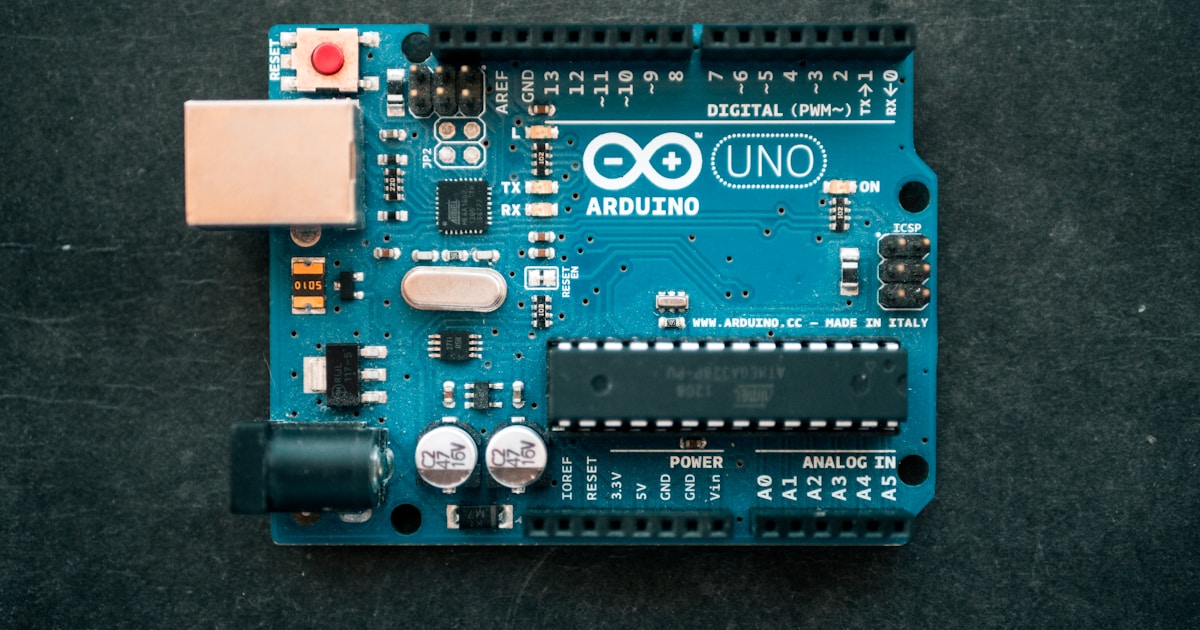 Arduino Projects for Kids: 8 Step-by-Step Builds
 How Technology Helps Kids: Evidence-Based Benefits
 Family Science Experiments: Kitchen Lab
 Sensory Bins That Teach Science to Preschoolers
 Budget STEM Learning: High-Impact Strategies for Families
Simple Circuit Experiments for Kids