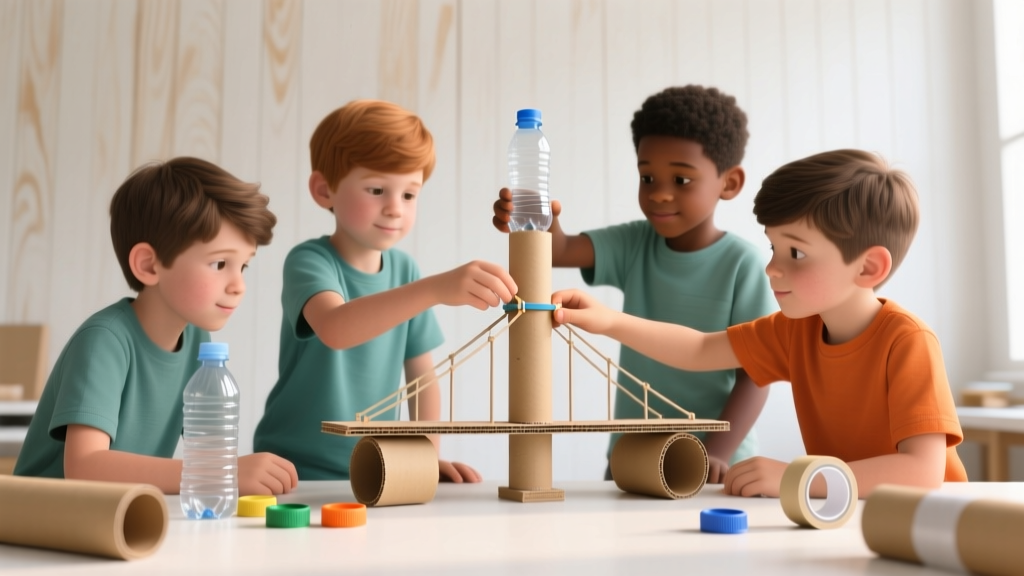
Engineering Challenges for Kids Using Recycled Materials
Engineering Mindset Starts at Home
Engineering isn't just for professionals — it's a way of thinking that children can develop early. By tackling hands-on challenges with everyday recycled materials, kids learn the engineering design process: identify a problem, brainstorm solutions, build prototypes, test, and improve. These skills transfer to every area of life.
Challenge 1: Bridge Building
Using only cardboard, paper, tape, and string, build a bridge that spans 12 inches and supports the most weight. Start with pennies, progress to books. Discuss different bridge types — arch, truss, suspension — and why certain shapes are stronger. Measure and record results for comparison.
Challenge 2: Tower of Power
Build the tallest freestanding tower using spaghetti and marshmallows, or newspaper and tape. The tower must stand unaided for 30 seconds. This teaches structural engineering, center of gravity, and the importance of a wide base. Compare different designs and identify what makes some structures more stable.
Challenge 3: Marble Run Engineering
Create an elaborate marble run using cardboard tubes, paper channels, and recycled containers. The marble must travel from start to finish using only gravity. Add challenges like loops, jumps, or sound triggers. This teaches potential and kinetic energy, friction, and momentum.
Challenge 4: Wind-Powered Vehicle
Design and build a vehicle that moves using wind power. Use cardboard for the body, bottle caps for wheels, and paper or fabric for sails. Test with a fan at different speeds. Experiment with sail shapes and sizes. Discuss aerodynamics and how real wind turbines work.
Challenge 5: Egg Drop Protection
Design a container that protects a raw egg when dropped from increasing heights. Use straws, cotton balls, bubble wrap, cardboard, and rubber bands. Start at 3 feet and increase height with each successful drop. This teaches energy absorption, cushioning, and iterative design.
The Engineering Design Process
- Ask: What problem are we solving? What are the constraints?
- Imagine: Brainstorm multiple possible solutions
- Plan: Draw designs and list materials needed
- Create: Build your prototype
- Test: Does it work? Measure and record results
- Improve: What could be better? Redesign and test again
Documenting the Process
Encourage children to keep an engineering notebook with sketches, measurements, test results, and reflections. This develops scientific documentation skills and helps them see their own growth over time. Take photos of each iteration to compare progress.
More Articles
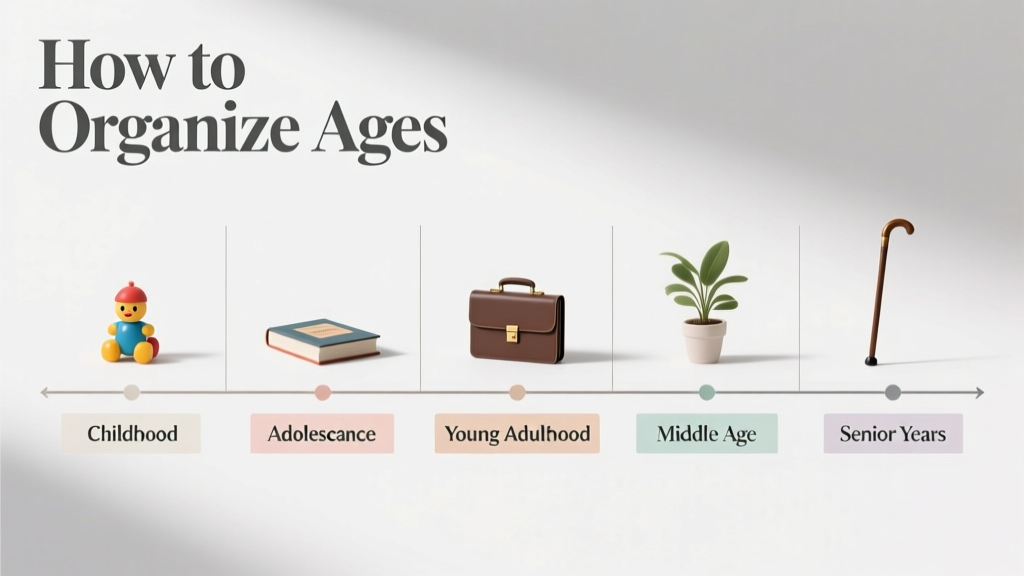 How to Organize by Age: Practical Framework Guide
 Math Games & Puzzles That Make Learning Numbers Fun
 Simple Circuit Projects for Kids
 What Is a Hypothesis for Kids? (2026)
 Best Coding Apps for Kids 2026: 10 Educator-Ranked Picks
 Nuclear Energy for Kids: Simple, Safe & STEM-Ready
 Electric Circuit Kits for Kids: Safe, Fun & Educational
 Unplugged Coding Games for Kids: 10 Screen-Free Activities
 Frenzy and Rumble Sound Waves Kids: STEM Truth Revealed
 Top 10 Math Board Games for STEM Learning