Nature-Inspired Crafts for Kids
Bring the Backyard Indoors with Nature-Inspired Crafts
There’s magic in the ordinary—crinkly maple leaves, smooth river stones, feathery ferns, and sun-warmed twigs. For children ages 2–12, nature isn’t just outside the window—it’s a vibrant, tactile art studio waiting to be explored. Nature-inspired crafts nurture curiosity, fine motor skills, sensory awareness, and environmental empathy—all while using free, local, and biodegradable materials from your own yard.
Why Nature Crafting Works for All Ages
Nature crafting meets children where they are developmentally:
- Ages 2–4: Focus on sensory play—crunching dry leaves, rubbing petals, arranging sticks by size or color.
- Ages 5–8: Enjoy guided projects like leaf rubbings, pressed-flower bookmarks, or stick-frame collages with glue and scissors.
- Ages 9–12: Thrive with open-ended challenges—building miniature fairy houses, weaving willow branches, or creating seasonal mandalas with intentional symmetry and storytelling.
Plus, every craft reinforces science concepts: leaf vein patterns = plant transport systems; flower parts = pollination; bark textures = tree adaptation. It’s joyful learning disguised as play.
Gather Your Materials—Safely & Sustainably
Before you begin, take a mindful walk together. Teach kids to observe, not over-harvest:
- Leaves: Choose fallen, dry, or slightly curled ones (avoid picking from live, young plants). Maple, oak, ginkgo, and birch offer great shapes and textures.
- Sticks & Twigs: Look for broken, wind-fallen branches—never snap live limbs. Smooth, straight twigs (like willow or dogwood) are ideal for weaving; curly ones add whimsy.
- Flowers & Petals: Pick only abundant, non-invasive blooms (e.g., daisies, clover, lavender sprigs). Skip rare, protected, or thorny species—and always avoid anything that looks moldy or wilted.
- Bonus Finds: Pinecones, acorns, smooth stones, seed pods, and moss (harvest sparingly, never from protected woodlands).
Safety Tip: Wash all natural materials with cool water and mild soap before use. Supervise closely with toddlers around small items (acorns, seeds) to prevent choking.
3 Simple, Joyful Projects You Can Start Today
1. Leaf & Flower Pressed Art Cards
Perfect for ages 3+, this project teaches patience and observation—and yields beautiful handmade cards or framed mini-art.
- Gather 5–7 flat, colorful leaves and petals (try pansies, violets, or marigold petals).
- Arrange them between two sheets of parchment paper inside a heavy book—or use a dedicated flower press.
- Wait 3–7 days until fully flattened and dried.
- Glue pressed pieces onto cardstock using child-safe white glue or glue sticks. Add handwritten messages (“Thank You,” “You’re Blooming!”).
Pro Tip: Let kids sketch outlines first with colored pencils—then “fill in” with real pressed elements. Builds planning and spatial reasoning!
2. Stick-Frame Nature Collage
Ideal for ages 4–10, this builds hand-eye coordination and design thinking with zero prep required.
- Collect 8–12 small, flexible sticks (6–10 inches long). Soak in water for 10 minutes if bending is needed.
- Form a simple square or circle frame by overlapping ends and securing with twine, raffia, or non-toxic tacky glue.
- Fill the center with layered natural treasures: fern fronds, feather grass, tiny pinecones, or pressed flowers.
- Hang with jute string—or prop on a shelf as a seasonal centerpiece.
Variation for older kids: Try weaving thin willow or grapevine strips into the frame for texture and challenge.
3. Story Stones & Nature Mandalas
A screen-free, calming activity for all ages—especially soothing for sensitive or high-energy children.
- Paint smooth, palm-sized stones with simple symbols (sun, bird, leaf, raindrop) using washable acrylics. Let dry overnight.
- Use stones + leaves + flowers to build mandalas on grass, pavement, or a large tray. Encourage symmetry, color gradients, or storytelling sequences (“This stone is the river, these yellow petals are sunshine…”).
- Take photos before gently returning each item to the earth—teaching impermanence and respect.
Why it works: Mandalas develop focus, pattern recognition, and emotional regulation. Story stones spark oral language and imaginative play—no batteries required!
Make It Last (Without Plastic)
Nature crafts are meant to be ephemeral—but you can extend the joy:
- Photograph & Journal: Snap pictures of each creation and paste them in a “Nature Studio” notebook. Add child-dictated captions (“I used 4 red leaves and 1 fuzzy caterpillar!”).
- Respect the Cycle: Compost dried leaves and petals. Return sticks and stones to garden beds or under shrubs—they’ll nourish soil and shelter insects.
- Create a “Seasonal Shelf”: Dedicate one low shelf to rotating nature displays: spring blossoms, summer seed pods, fall acorn collections, winter evergreen sprigs. Refresh monthly as a family ritual.
Troubleshooting Tips for Busy Parents
- No time to prep? Keep a “Nature Bin” by the back door: reusable canvas bag, kid-safe scissors, small glue jar, and blank index cards. Grab-and-go in under 60 seconds.
- Worried about mess? Do crafts on a wipeable tray or old sheet. Use glue sticks instead of liquid glue for ages 2–6. Lay down newspaper for pressing projects.
- “But my yard has only grass!” Even urban yards have dandelions, clover, crabgrass seed heads, and sidewalk cracks hosting tiny wildflowers. A 5-minute “micro-forage” walk reveals abundance.
- What about allergies? Stick to non-pollen-heavy plants (avoid ragweed, goldenrod, or freshly cut grass clippings). Wash hands after handling, and choose fragrance-free blooms like asters or yarrow.
Grow More Than Crafts—Grow Connection
When your child presses a leaf and names its shape (“It’s a dragon wing!”), when they pause to watch an ant cross their stick bridge, or when they proudly gift a flower-card to Grandma—you’re nurturing something deeper than art skills. You’re building reverence. Belonging. A lifelong habit of wonder.
So step outside—not with a checklist, but with open palms and curious eyes. The best supplies are already growing, falling, and waiting… right in your own backyard.
More Articles
 Sensory Art for Little Explorers
Homemade Playdough with Natural Ingredients 2026
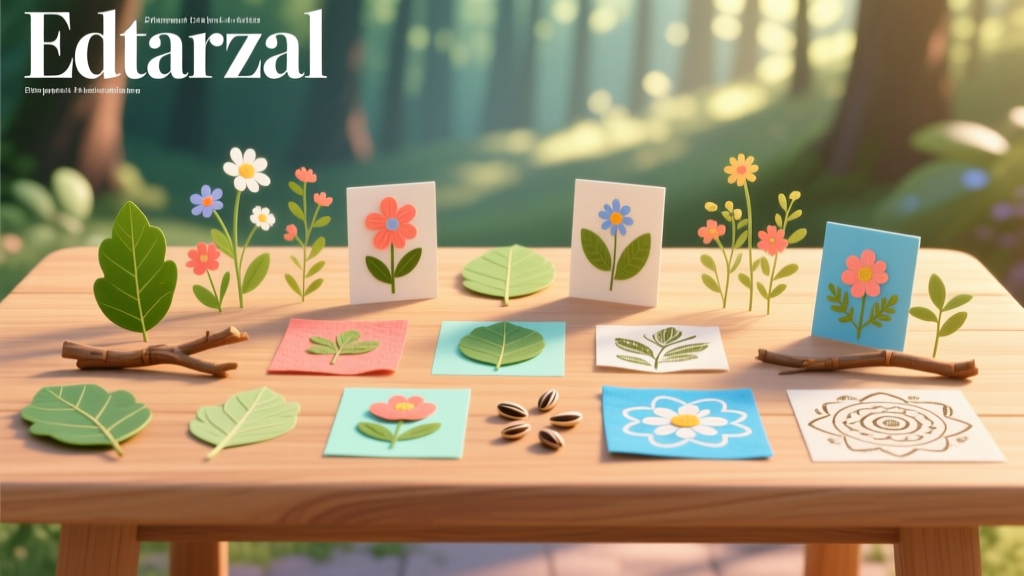 Nature Art Projects for Kids: 20 Botanical Crafts (2026)
 Craft Storage Ideas for Every Supply Type
 Paper Mache Projects: Step-by-Step Kids Guide (2026)
 Draw a Pig for Kids: 5 Simple Steps (2026)
 Craft Organization Tips for Artists & Makers
 How to Draw a Train for Kids: Simple Steps & Benefits
 How to Draw a Skull for Kids: Easy & Educational (2026)
 How to Make a Kids Book: 7 Realistic Steps (2026)