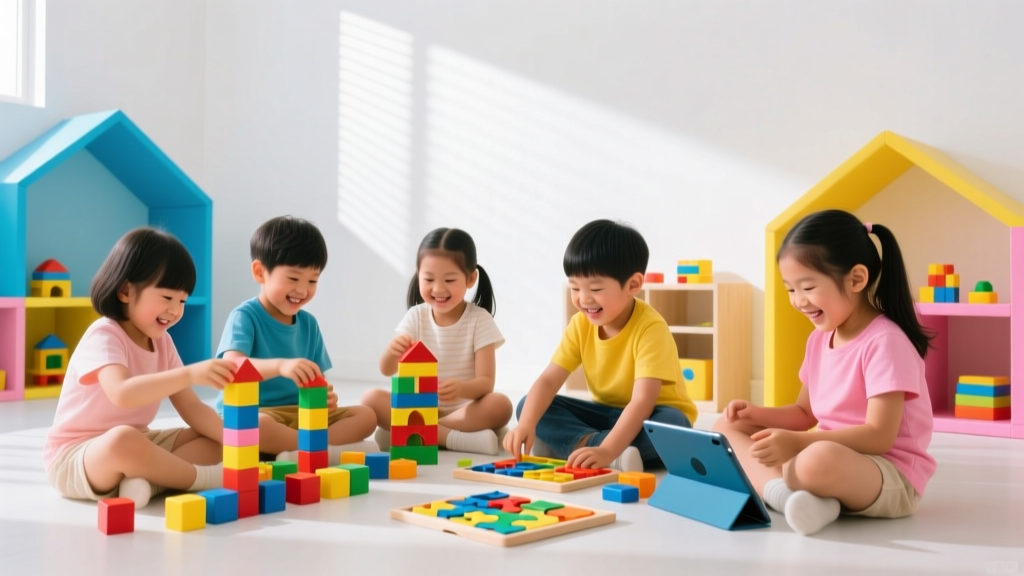
Sensory Art for Little Explorers
Sensory Art Projects for Babies and Toddlers
Introducing babies and toddlers to sensory art is a wonderful way to encourage exploration, creativity, and early learning. These activities engage their senses—sight, sound, touch, smell, and even taste (in a safe way)—helping them develop fine motor skills, hand-eye coordination, and cognitive abilities.
Why Sensory Art Matters
At an early age, children learn through play. Sensory art provides a hands-on experience that allows them to discover the world around them. It helps build neural connections in the brain and supports language development as they describe what they feel, see, and hear.
Safe and Simple Projects
When creating sensory art for young children, safety is always the top priority. Use non-toxic materials, avoid small parts, and ensure all items are soft and easy to handle. Here are some great sensory art ideas for babies and toddlers:
- Water Play with Colors: Fill a shallow container with water and add food coloring. Let your child splash and explore the colors while learning about cause and effect.
- Texture Boards: Create boards with different textures like fabric, sandpaper, felt, and bubble wrap. Let your child touch and explore each surface.
- Painting with Fingers or Brushes: Use washable, non-toxic paints on large paper or a tray. Encourage your child to smear, dip, and explore the paint with their hands or brushes.
- Playdough Fun: Homemade or store-bought playdough is perfect for molding, pressing, and shaping. Add scents or colors for extra sensory stimulation.
- Sound Bottles: Fill clear bottles with rice, beans, or beads and seal them. Shaking the bottle creates different sounds, helping your child explore auditory sensations.
Benefits of Sensory Art
Sensory art offers numerous developmental benefits for young children:
- Motor Skills Development: Grasping, squeezing, and manipulating materials improve fine motor skills.
- Cognitive Growth: Exploring different textures, colors, and sounds enhances problem-solving and memory skills.
- Emotional Regulation: Engaging in sensory play can be calming and help children manage emotions.
- Language Expansion: Describing what they see, feel, and hear builds vocabulary and communication skills.
Parent Tips for Sensory Art
Here are a few tips to make the most of sensory art time with your baby or toddler:
- Keep it Short and Sweet: Young children have short attention spans, so keep sessions to 10-15 minutes.
- Encourage Exploration, Not Perfection: Focus on the process rather than the product. Let your child lead the way.
- Be Present: Join in the fun and talk about what your child is doing. This strengthens your bond and supports learning.
- Use Safe Materials: Always check labels and avoid anything that could be a choking hazard or harmful if ingested.
Incorporating sensory art into your child's daily routine can be both fun and educational. These simple, engaging activities not only spark creativity but also support healthy development at every stage. So grab some materials, get messy, and watch your little one explore the world through art!
More Articles
 How to Draw Eyes for Kids: Simple, Brain-Friendly Steps
 6 Earth Day Crafts from Recycled Stuff
 How to Clean Art Evidence: Forensic Conservator’s Guide
 Safety Protocols for Arts & Crafts Projects
 Picasso’s Children: How They Shaped His Art & Family
 Where to Sell Bracelets as a Kid (2026)
 How to Draw for Kids: A Pediatrician-Approved Guide
 Homemade Playdough Recipes for Kids
 Paper Airplane Championship: 8 Designs & Games (2026)
 Kids and Baby Stationery: Safe, Smart & Used (2026)