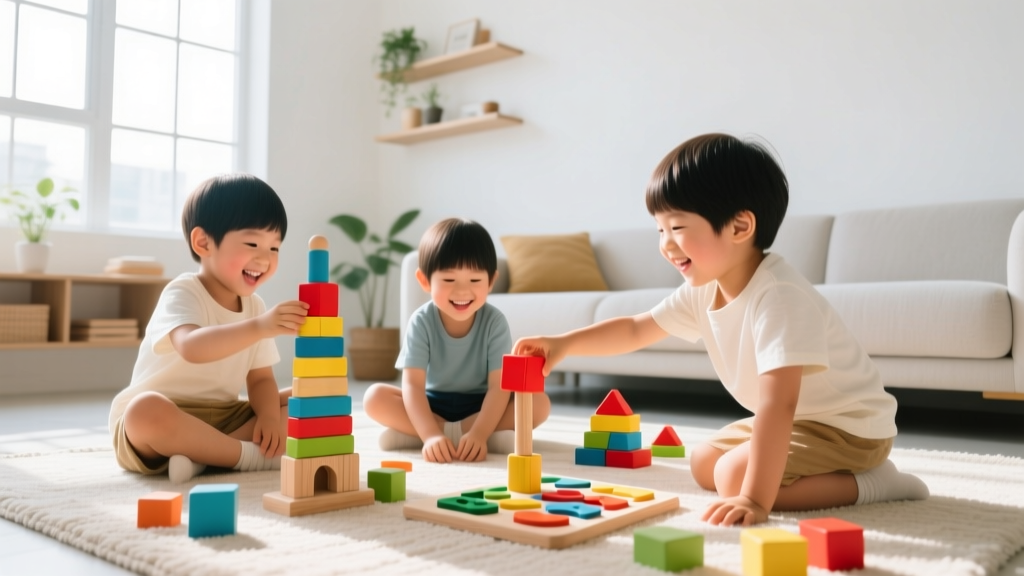
Easy Watercolor Techniques for Kids (Ages 2–12)
Easy Watercolor Techniques for Kids (Ages 2–12)
Watercolor painting is one of the most joyful, accessible, and developmentally rich art activities for children—and it’s easier to start than you think! Whether your child is scribbling with a chubby fist at age 2 or sketching detailed rainbows at age 12, watercolor offers endless opportunities for sensory exploration, fine motor growth, and creative confidence. In 2026, educators and pediatric occupational therapists continue to recommend watercolor as a top-tier tool for early childhood development—especially because it encourages patience, observation, and gentle control. Best of all? It’s forgiving, portable, and requires minimal setup. Below are six tried-and-true, parent-tested watercolor techniques that work beautifully across ages—with safety, simplicity, and fun built in.
Why Watercolor Works So Well for Young Artists
Unlike markers or crayons, watercolor teaches cause-and-effect (more water = lighter color; less water = bolder pigment). It supports hand-eye coordination, color mixing awareness, and emotional regulation through rhythmic brushstrokes. And because clean-up is just soap and water, even toddlers can participate with supervision. In fact, a 2026 study published in Early Childhood Arts Quarterly found that children who engaged in weekly watercolor play showed measurable improvements in focus and expressive vocabulary within eight weeks.
What You’ll Need (Budget-Friendly & Kid-Safe)
- Paints: Start with a 6- or 12-color kids’ watercolor set (look for AP-certified non-toxic labels—Crayola, Prang, and Faber-Castell are excellent 2026 favorites).
- Brushes: One round #4 or #6 synthetic brush (soft bristles, short handle) + one wide flat brush for washes. Bonus: add a ‘magic sponge brush’ (a small kitchen sponge cut into shapes) for tactile variety.
- Paper: 90–140 lb watercolor paper pads (pre-cut 8.5" x 11" sheets reduce frustration). For ages 2–5, try heavyweight cardstock or watercolor paper taped to a tray—it stays put!
- Extras (optional but delightful): A shallow dish for water, cotton swabs, plastic droppers, salt, white glue, and old toothbrushes for texture experiments.
6 Easy Watercolor Techniques — Sorted by Age & Skill Level
1. The Magic Wash (Ages 2–4)
This is where watercolor magic begins—and it’s perfect for little hands learning grip and flow. Have your child dip a large brush in clean water, then gently stroke it across dry paper. Watch the paper ‘breathe’ and shimmer. Next, let them touch the wet area with a single dot of paint—watch it bloom like a flower! No pressure to ‘make a picture.’ This builds water control, visual tracking, and wonder. Tip: Use a light-colored paper tray underneath to catch drips and double as a sensory surface.
2. Salt Sprinkle Surprise (Ages 3–7)
A favorite science-meets-art activity! Paint a simple shape (a circle sun, a wavy line for water) with wet watercolor. While still damp, sprinkle table salt or coarse sea salt over the paint. As it dries (about 10–15 minutes), the salt pulls pigment outward, creating organic, starry textures. Gently brush off the salt when dry. Kids love the ‘wow’ moment—and it subtly introduces concepts like absorption and evaporation. In 2026, many preschools include this in STEAM stations for its cross-curricular appeal.
3. Wet-on-Wet Blending (Ages 4–8)
Great for teaching color theory without lectures! First, have your child lightly wet a section of paper with clean water (use a spray bottle for extra fun). Then, touch two different colors side-by-side on the wet surface—e.g., blue and yellow. Watch them melt and mix into green right before their eyes! Encourage naming what they see (“Is it lime green? Sea green?”). This builds observation skills and vocabulary while reinforcing how primary colors interact. Pro tip: Use a hairdryer on cool setting to speed drying between layers—kids love the instant feedback.
4. Resist Drawing (Ages 5–10)
Draw first, paint second—no erasing needed! Have your child sketch a simple design (a tree, animal outline, or abstract swirls) using a white crayon or clear school glue. Then paint over the whole page with watercolor. Wherever the wax or glue is, the paint will resist and reveal the hidden drawing. It feels like magic—and boosts confidence because ‘mistakes’ become part of the artwork. Bonus: Glue resist dries clear and adds subtle texture, making it ideal for older kids refining detail work.
5. Dropper Drip & Splatter (Ages 6–12)
Let energy meet art! Fill plastic eye droppers or pipettes with diluted watercolor. Let kids drip, dot, and ‘rain’ color onto dry or damp paper. For splatter effects, dip an old toothbrush in paint, hold it over the paper, and run your thumb across the bristles. Always do this over a tray or newspaper—and wear smocks! This technique releases physical energy while building hand strength and spatial awareness. Many 2026 after-school programs use it to support neurodiverse learners who thrive with movement-based expression.
6. Nature Press & Paint (Ages 7–12)
Take art outdoors! Collect leaves, petals, or ferns. Place them face-down on damp watercolor paper, then gently paint over the top with a thin wash. Lift carefully—the natural veining appears as a delicate imprint. Or, rub the back of a leaf with a crayon first (like a rubbing), then paint around it. This bridges nature study, observation, and composition—and results in stunning, personal artwork perfect for framing. Families love doing this together during spring and fall 2026 nature walks.
Pro Tips for Stress-Free Success
- Embrace the mess: Cover surfaces with wipeable tablecloths or shower curtains. Keep a damp towel nearby—not for perfection, but for happy cleanup.
- Keep sessions short: 10 minutes for ages 2–4, 20–30 for ages 5–8, up to 45 for tweens. Follow your child’s cues—not the clock.
- Praise process, not product: Say “I love how carefully you dipped your brush!” instead of “What a beautiful butterfly!” This nurtures intrinsic motivation.
- Store supplies smartly: Use divided craft boxes or repurposed muffin tins for paints and tools. Label with pictures for pre-readers.
- Make it seasonal: Try snowflake washes in winter, cherry-blossom salt prints in spring, ocean blues in summer, and leaf-resist collages in autumn—2026’s top parenting blogs highlight seasonal watercolor themes for consistent engagement.
Final Thought: It’s Not About Perfection—It’s About Presence
When your 3-year-old paints a purple sun or your 10-year-old mixes 17 shades of green trying to match a backyard oak, you’re witnessing more than art—you’re witnessing neural pathways lighting up, language expanding, and self-trust growing. Watercolor doesn’t demand mastery. It invites curiosity, celebrates accidents, and rewards slow looking. So grab a brush, pour some water, and join your child in the joyful, splashy, deeply human act of making something new. In 2026—and every year after—that’s the most important technique of all.
More Articles
 Draw Fireworks for Kids: 5 Easy Steps (2026)
 Upcycling Crafts: Teach Kids Sustainability Through Reuse
 DIY Paper Crafts for Kids' Fine Motor Skills
 How to Draw a Cheetah for Kids (2026)
 Sensory Art for Little Explorers
 How to Draw the Statue of Liberty for Kids (2026)
 Handprint Keepsake Crafts for Gifts
 Seasonal Craft Calendar: 48 Month-by-Month Kids Projects
 How to Make a Piñata for Kids: Safe & Simple (2026)
 Practical, Evidence-Based Kids Safety Tips Every Caregive...