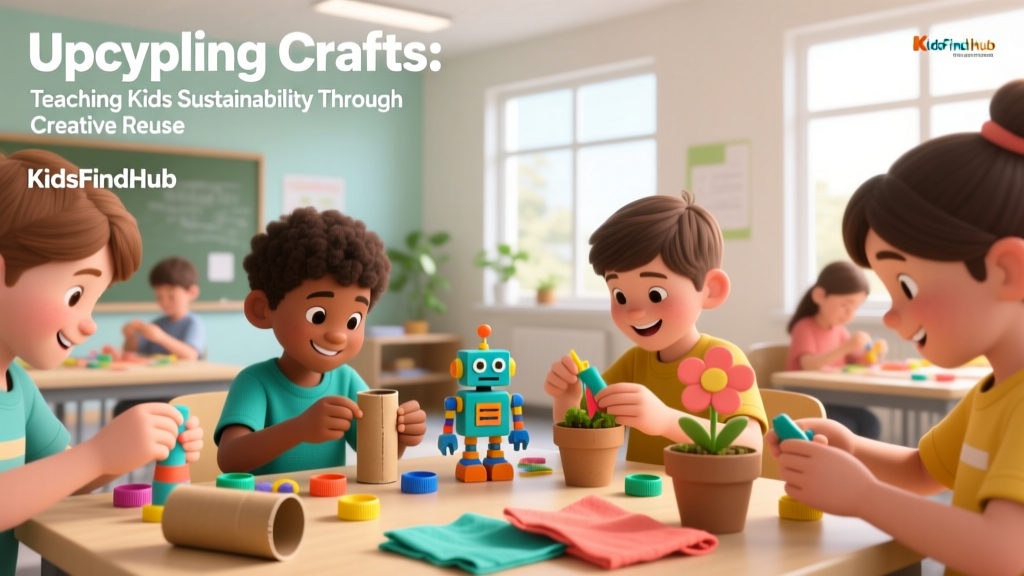
Upcycling Crafts: Teach Kids Sustainability Through Reuse
Turning Trash Into Treasure
Upcycling crafts teach children that creativity and environmental responsibility go hand in hand. By transforming items destined for the landfill into beautiful, useful objects, kids learn resourcefulness, problem-solving, and the importance of reducing waste. Every upcycled project is a lesson in sustainability.
Building an Upcycling Supply Collection
Start a dedicated bin for potential craft materials:
- Clean yogurt cups, bottle caps, and plastic containers
- Cardboard boxes, egg cartons, and toilet paper tubes
- Old magazines, newspapers, and junk mail
- Fabric scraps, old t-shirts, and worn socks
- Wine corks, popsicle sticks, and coffee cans
- Glass jars, tin cans (edges smoothed), and plastic bottles
Project 1: Tin Can Planters
Clean tin cans become beautiful planters when decorated with paint, fabric, or mosaic tiles. Punch drainage holes in the bottom. Plant herbs, succulents, or flowers. Discuss how growing food at home reduces packaging waste and transportation emissions.
Project 2: T-Shirt Yarn Macramé
Cut old t-shirts into continuous strips to create t-shirt yarn. Use this to macramé plant hangers, wall hangings, or bracelets. This repurposes textile waste while teaching knotting techniques and pattern recognition.
Project 3: Cardboard City
Transform delivery boxes into an elaborate city with buildings, roads, and vehicles. Cut doors and windows, add details with markers, and create a play environment. Discuss urban planning and community design while building.
Project 4: Bottle Cap Mosaic Art
Collect colorful plastic bottle caps and arrange them into mosaic patterns on a cardboard backing. Glue in place with hot glue (adult supervision). Create pictures, abstract designs, or even a mural. This demonstrates how small items can combine into something beautiful.
Project 5: Glass Jar Lanterns
Decorate clean glass jars with tissue paper, paint, or pressed flowers. Add a tea light candle or LED string lights inside. These make beautiful gifts and teach about reusing rather than recycling when possible.
Teaching the Waste Hierarchy
Use craft time to discuss the waste hierarchy: Refuse (say no to unnecessary items), Reduce (use less), Reuse (find new purposes), Recycle (process into new materials), and Rot (compost organics). Upcycling sits at the reuse level — one of the most impactful actions we can take.
Calculating Environmental Impact
Make sustainability tangible: count how many items you've diverted from the landfill each month. Weigh your upcycling bin. Research how long different materials take to decompose. This connects craft activities to real-world environmental impact in ways children can understand.
More Articles
 How to Draw a Horse for Kids: Stress-Free Guide
 Arts and Crafts Education: Teaching Care and Maintenance
 Rocket Drawing for Kids: 5 Simple Steps (2026)
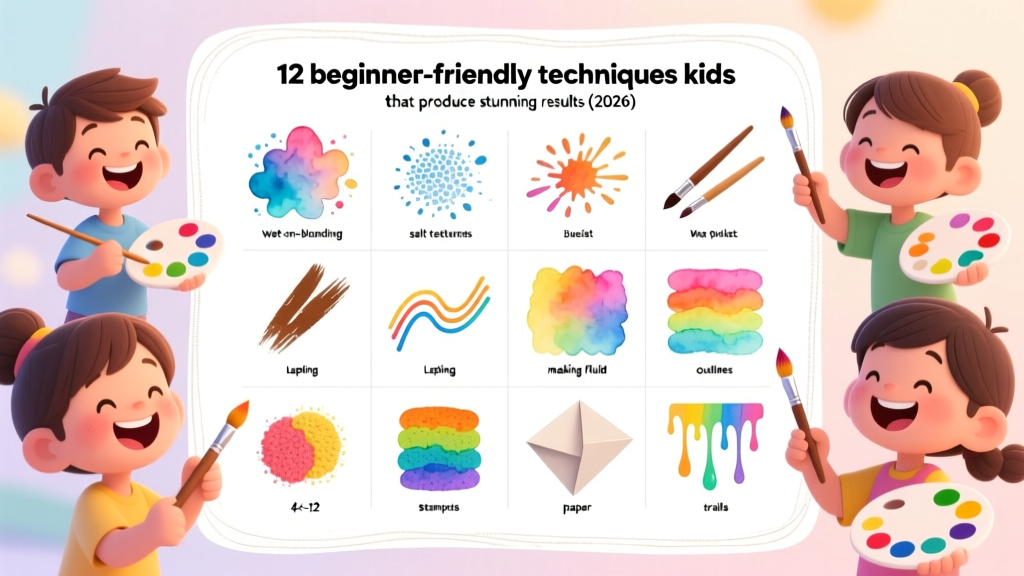 Kids' Watercolor Techniques: 12 Beginner Methods (2026)
 How to Draw a Skull for Kids: Easy & Educational (2026)
 DIY Puppet Theater: Build and Perform
 Seasonal Craft Calendar: Monthly Ideas
 Art Supply Kits: Pedagogically Sound Bundles for Educators
 How to Draw Book for Kids: Evidence-Based, Ages 3–10
 How to Draw a Crab for Kids: Simple Steps & Tips