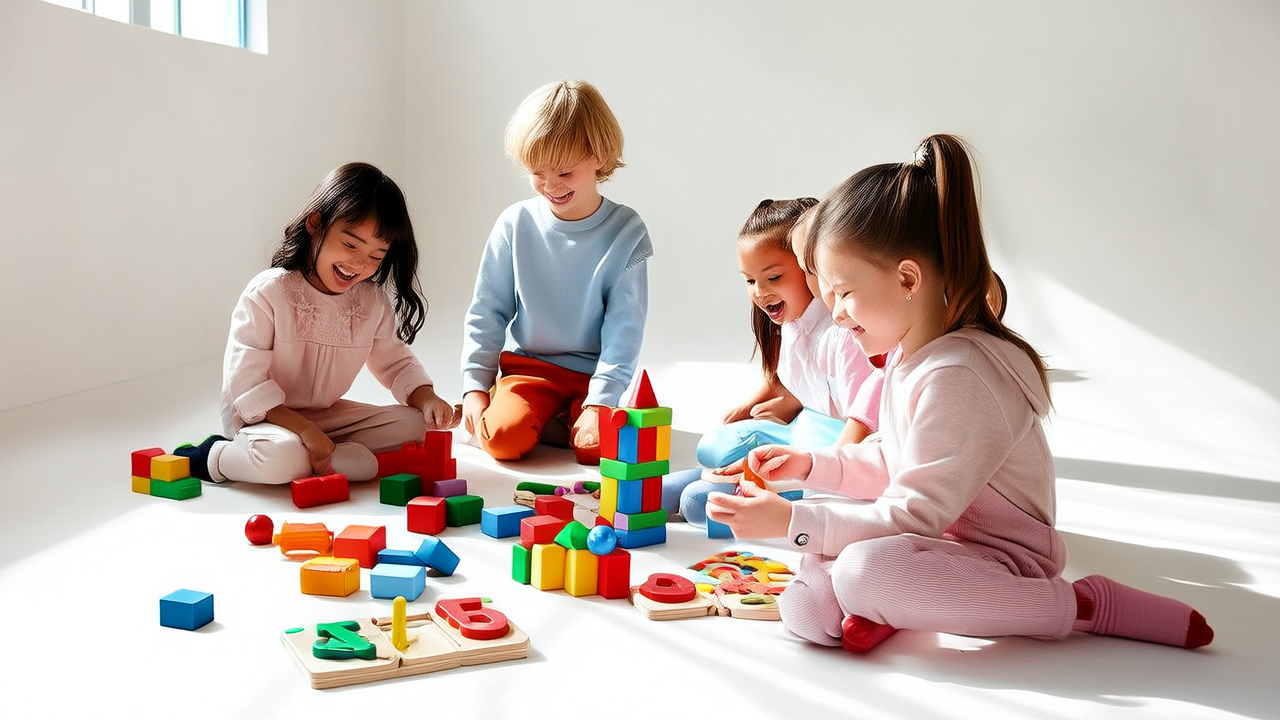
STEM Activities for Kids: Hands-On Ideas
Simple kids activities essentials are short, low-cost, hands-on experiences that turn everyday household items into STEM learning tools. These activities support curiosity, spatial reasoning, early engineering habits, and confidence in children ages 3 to 10. A 15-minute block using paper, tape, LEGO, baking soda, or a cardboard box can teach design, measurement, and cause-and-effect better than passive screen time. Parents, teachers, and caregivers benefit from clear setups, safety steps, and extension questions. This article outlines practical routines, brand examples, measurements, age adaptations, and a simple planning table to help you run repeatable learning moments without buying expensive kits every day.
What Makes a Simple Kids Activity Essential?
A simple kids activity becomes essential when it meets three conditions: the materials are easy to find, the goal is clear, and the child can make a real choice. A cardboard tube race is not just play if it asks a child to test slope, friction, and finish line distance. A baking soda experiment is not just mess if it includes a prediction, a variable, and a cleanup plan. The best routines last 10 to 20 minutes, fit inside normal home rhythms, and produce evidence the child can talk about: a photo, a drawing, a measurement, or a sentence.
STEM does not require expensive electronics. It requires noticing, testing, and revising. When a preschool child stacks three wooden blocks and says, “It fell,” the child has already identified a failed design. When an eight-year-old measures a paper bridge with a ruler and records 8 inches, the child is using data. The adult’s job is to make the task visible, not to lecture. A good activity gives one problem, several possible paths, and enough materials to keep frustration below a meltdown threshold.
Another essential quality is repeatability. If a caregiver must spend 45 minutes printing, cutting, laminating, and hunting for supplies, the activity will rarely happen. A simple plan uses items that live in a drawer: tape, scissors, paper, LEGO bricks, cups, water, crayons, and a timer. National Geographic Kids books, LEGO Classic boxes, and Crayola 16-count crayon packs can support dozens of projects with almost no setup. The goal is not perfect materials; it is reliable access.
The Basic Kit That Supports Many STEM Activities
Build one small learning bin instead of many scattered toys. A well-chosen bin can support engineering, science, math, and art for a week. Keep it near a table or floor mat, not in a closet where children cannot find it. Use clear labels with icons and words for ages 3 to 6, and add a checklist for older children. The kit below is inexpensive and flexible; it can also complement brands such as Melissa & Doug, B. Toys, and KiwiCo without duplicating every specialty item.
- Tape: masking tape, painter’s tape, or clear packing tape.
- Paper: copy paper, cardboard scraps, paper towel tubes, index cards.
- Building: LEGO DUPLO or LEGO Classic bricks, wooden blocks, cups.
- Measuring: plastic ruler, measuring cups, timer, string, paper clips.
- Science basics: baking soda, vinegar, food coloring, salt, sugar, oil, water.
- Art tools: Crayola crayons, washable markers, safety scissors, paintbrushes.
- Containers: zip bags, small bowls, muffin tins, plastic cups.
After the kit is set, create a “first five minutes” rule. Start with a one-sentence challenge: “Build a tower that is 12 inches tall and does not fall when you blow on it.” Then let children choose materials. If they wander, return to the rule: test, change one thing, test again. This keeps the activity from becoming a craft with only one right answer. It also gives adults a calm structure, which matters most on busy evenings.
Five Quick Activities With Clear Learning Goals
The activities below are short, but each one has a visible STEM target. Use a timer and a simple recording sheet. A sheet can be half a piece of paper with three columns: My prediction, What happened, Next test. This turns play into evidence. For families, take one photo and one measurement. For classrooms, use a clipboard with four stations and 12-minute rotations. The materials list is intentionally small, so the same ideas can be repeated with variations.
Bridge Build With Paper and Books
Place two books 6 inches apart and ask a child to make a bridge using two sheets of paper and 12 inches of tape. Add pennies, LEGO bricks, or small erasers as load. A flat sheet may hold 2 to 4 pennies; a folded accordion bridge can often hold more. The learning goal is structural shape, distribution of force, and testing. Ask: “What did you change when it sagged?” This activity works for ages 4 to 9 and takes about 15 minutes. It pairs well with a book about bridges from National Geographic Kids or a LEGO city set.
Color Mixing and Absorption
Put a small bowl of water with one drop of food coloring under a paper towel strip, then add another strip dipped in a different color. Watch the colors move upward. The goal is observation, prediction, and vocabulary: absorb, mix, travel, separate. Measure the distance traveled after 3 minutes, such as 2 inches, 4 inches, or 6 inches. Use Crayola watercolor paper if available, but ordinary paper towel works. For older children, test two paper types and record which one moved color farther. This is a quiet science activity that can happen at a kitchen table while dinner cooks.
Pouring and Volume With Cups
Give a child three clear plastic cups, a pitcher with 2 cups of water, and a measuring cup marked in milliliters or ounces. Challenge: “Fill the tall cup to 100 milliliters without spilling.” For preschool, focus on full, half, empty. For first grade, ask which cup looks taller but holds less. For second grade, compare 1/4 cup to 2 tablespoons. Brands such as Little Tikes and B. Toys make durable pouring sets, but a kitchen set is enough. The learning goal is measurement, comparison, and conservation of volume.
Cardboard Box Maze
Cut a shallow maze into a cardboard box lid or use paper strips taped to the floor. Roll a marble through it or guide a toy car. Measure the path with a string and report the length in inches or centimeters. Ask children to make the maze harder by adding a slope of 5 degrees using a book. They can test three surfaces: floor, cardboard, and a LEGO baseplate. The goal is geometry, friction, and iterative design. This activity can use a shoebox, masking tape, and a marble from a craft drawer.
Nature Sorting and Counting
Collect 10 leaves, pebbles, or pinecones, or use a bag of LEGO pieces if outdoor time is not possible. Ask a child to sort by size, color, or number of holes. Then create a simple chart with columns: smooth, bumpy, long, round. For ages 3 to 5, sorting builds classification. For ages 6 to 8, add counting and bar graphs: “Which group has the most?” This activity connects science observation to math and can be finished in 10 minutes. Use a KiwiCo or National Geographic Kids field guide as a reference if children want deeper questions.
Age and Skill Adaptations for Preschool to Elementary
The same activity can be too easy, too hard, or just right depending on age. A simple kids activity essential is not one age number; it is a flexible task that can grow with the child. A bridge challenge for a 4-year-old may focus on putting tape on paper. For an 8-year-old, it may focus on load testing and redesign. A pouring task for a toddler may be full and empty. For a second grader, it may involve milliliters and recording. Adults should observe the child’s frustration and adjust only one variable at a time: time, materials, measurement, or question depth.
| Age | Focus | Measurement | Adult Support | Extension |
|---|---|---|---|---|
| 3 to 4 | Full, half, empty, tall, short | Use hands, blocks, cups | Model one change | Draw the result |
| 5 to 6 | Compare two designs | Inches, centimeters, count pennies | Ask what surprised them | Try one material swap |
| 7 to 8 | Test variables | 12-inch span, 100 milliliters, 3 minutes | Keep a simple chart | Change slope, tape, or paper |
| 9 to 10 | Improve with data | Time, distance, mass estimate | Let child lead | Write one sentence explanation |
Use the table as a starting point, not a rule. A 6-year-old may be ready for graphing one week and not the next. A child who loves LEGO may need a challenge that uses familiar pieces, while a child who avoids mess may need a dry activity such as block sorting. If a child refuses a task, offer two choices: “Do you want to build first and measure later, or measure first and build later?” Choice reduces resistance and preserves dignity.
When adapting, avoid lowering the thinking level. You can reduce complexity without making the activity babyish. For example, a 5-year-old can still test which paper holds more pennies, even if the written record is a drawing. An 8-year-old can still enjoy play, even if the task includes a 12-inch measurement and one redesign. Keep the goal visible: test, observe, revise. The adult’s script matters: “You are the scientist” works better than “Let me show you how.”
How to Use Questions That Keep Thinking Alive
Questions are the hidden engine of simple kids activities. A task can feel like an assignment if the adult asks closed questions, and it can feel like discovery if the adult asks open questions. Use three types: observe, compare, and improve. Observe: “What do you see?” Compare: “Which tower is more stable?” Improve: “What could you change to make it hold one more block?” This pattern works during science, building, art, and cooking. It also gives children language for failure without shame.
- What did you notice before you changed anything?
- What is one thing that surprised you?
- How can we measure whether this is taller, longer, or heavier?
- What would happen if we used tape instead of blocks?
- Can you show me the part that failed?
- What is one small change we can test next?
Pair questions with a timer. A 10-minute exploration, 3-minute recording, and 5-minute share-out can fit into a home evening or classroom transition. During the share-out, children can say one sentence: “My bridge held 6 pennies because I folded it.” This is enough. It builds scientific talk without turning every activity into a formal report. If a child is shy, let them draw the result instead of speaking.
For families, question routines can be built into chores. At lunch, ask, “Which sandwich cuts into more triangles, 4 or 6 pieces?” At bath time, ask, “Which cup fills faster under the tap, wide or narrow?” At grocery shopping, ask, “Which cereal box has more volume?” These micro-STEM moments help children see that learning is not confined to a worksheet. Simple activities become habits when adults use the same language across settings.
Safety, Space, and Cleanup for Young Scientists
Simple does not mean unsafe. Even low-risk activities need clear boundaries. Set rules before materials are touched: tape stays on the table, scissors are for paper, water stays near the sink, and small LEGO pieces are for children over 3. For children under 3, choose large pieces, such as LEGO DUPLO blocks, and avoid marbles, pins, or beads. Keep a “no mouth” rule for science materials. If using baking soda and vinegar, do it on a tray or outdoors, because the foam can spread beyond a small cup.
Space design matters. A 30-inch kitchen table with a towel works for one child. A classroom table with a plastic bin, 12 cups, and a bucket for waste supports four children. Use a floor mat for LEGO building, painter’s tape to mark zones, and a trash can with a lid for paper scraps. If a child is sensitive to noise, use a quiet corner and avoid loud popping experiments. If a child is sensory seeking, give a tray for controlled pouring and a timer to end the activity.
Cleanup is part of the lesson. A simple STEM routine should include sorting, measuring, and storing. Ask children to return tape to the dispenser, count 20 LEGO bricks back into the box, or wipe a cup with a cloth. This builds executive function and respect for materials. A reusable chart with three pictures—test, record, tidy—can help preschool children finish without adult nagging. The less cleanup required, the more likely the activity will happen again.
A Weekly Plan That Fits Busy Homes and Classrooms
A weekly plan reduces decision fatigue. Instead of asking, “What should we do today?” choose one activity from the kit and repeat it with a new variable. Five 15-minute blocks can create a strong learning rhythm. Homeschool families can use the plan in the morning before reading. Classroom teachers can rotate it during science stations. After-school programs can use it as a quiet transition between snack and homework.
- Monday: Bridge build with paper and tape.
- Tuesday: Color movement with paper towels.
- Wednesday: Cup pouring and volume.
- Thursday: Cardboard maze with one slope.
- Friday: Nature or LEGO sorting with a graph.
Each day should include a tiny data point. Monday: measure bridge span in inches. Tuesday: record color travel distance after 3 minutes. Wednesday: compare 100 milliliters to 1 cup. Thursday: time how long a marble travels 24 inches. Friday: count objects in two categories and draw a simple bar. Over five days, children see patterns and realize that learning has evidence. This also helps adults notice which concepts need reteaching.
If the week gets busy, shorten the plan to three days. Use the same activity for two days with one change. For example, build a bridge on Monday, then use LEGO bricks instead of paper on Tuesday. This repetition is not waste; it is mastery. Many children need to run the same test twice before they can describe why. A simple kids activity essential should be flexible enough to survive a late appointment, a rainy day, or a child who only wants five minutes.
The final essential is joy. Children learn best when they feel competent and curious, not when they are pressured to perform. Let them make silly bridges, messy color trails, or wobbly towers. Celebrate the test, not the perfect result. If an activity fails, name the useful part: “That failed fast, so we learned what not to try.” If a child succeeds, ask them to teach another person. Simple kids activities essentials work because they fit real life, use real materials, and invite real thinking. Start with one bin, one challenge, one measurement, and one question, then repeat.
More Articles
 Math Board Games for Kids: 12 Fun Family Favorites
 12 Best Science Experiments for Kids at Home in 2026
 Simple Science Experiments with Kitchen Items
 How Rainbows Form for Kids: Simple Science Guide
 Protractor for Kids: 5 Simple Steps (2026)
 What Does Geography Mean for Kids? (2026)
 67 in Kids’ Math The Hidden Number-Sense Phenomenon
 What Are GATE Kids? Truth, Equity & Parent Action
 AI Concepts for Kids 8–12: Fun Activities (2026)
 20 Safe Kitchen Chemistry Experiments