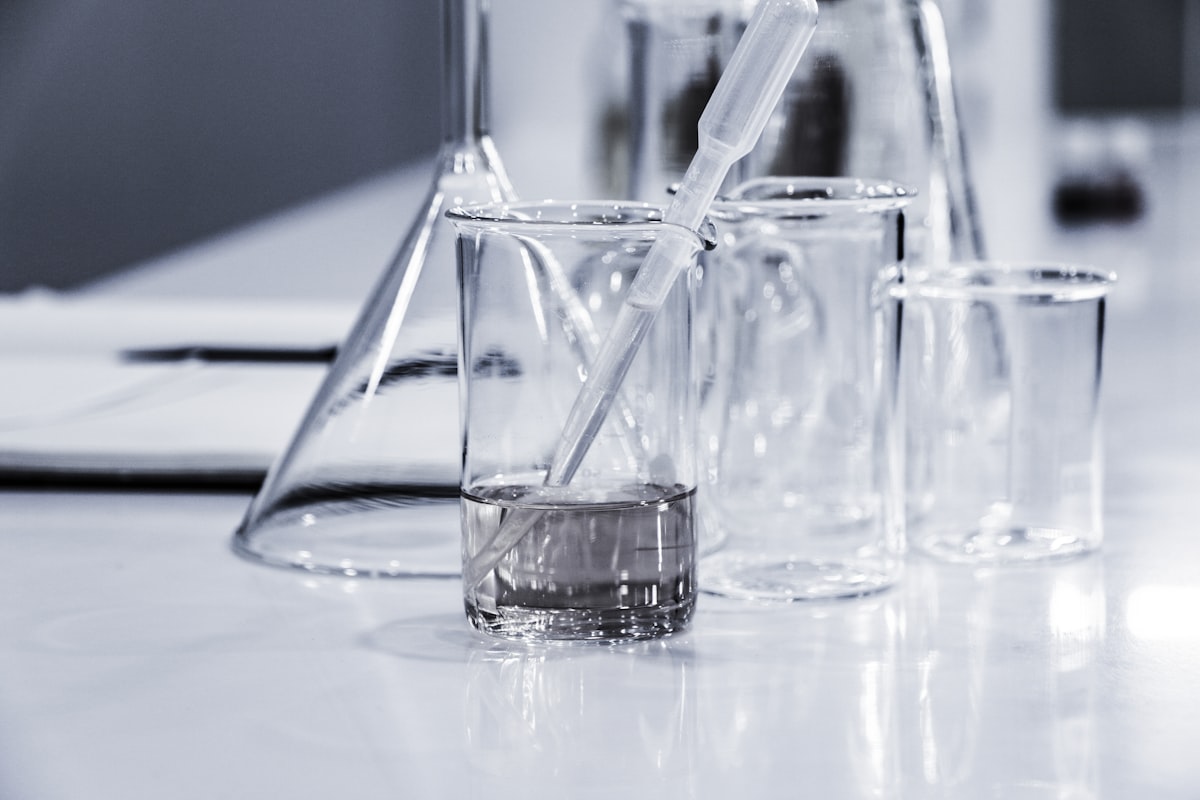
20 Safe Kitchen Chemistry Experiments for Kids
20 Safe Chemistry Experiments Kids Can Do at Home (Kitchen Science)
Chemistry happens in your kitchen every day. These experiments use safe household ingredients to demonstrate real chemical principles.
Why Kitchen Chemistry?
- Accessible: No special equipment
- Safe: Food-grade ingredients
- Real science: Genuine reactions
- Repeatable: Cheap materials
Safety Rules
| Rule | Why |
|---|---|
| Adult supervision | Even safe experiments need oversight |
| Eye protection | Vinegar stings eyes |
| Washable surfaces | Food coloring stains |
Experiments
Volcano (Baking Soda + Vinegar)
Try different ratios and temperatures. Teaches acid-base reactions. Ages 3+.
Magic Milk
Food coloring + soap on milk surface. Teaches surface tension. Ages 4+.
Oobleck (Cornstarch + Water)
Solid and liquid simultaneously. Teaches non-Newtonian fluids. Ages 3+.
Crystal Growing
Salt solution evaporates into crystals. Teaches saturation. Ages 5+.
Invisible Ink (Lemon Juice)
Write with lemon juice, reveal with heat. Teaches oxidation. Ages 6+.
Learning Tips
- Ask predictions before each experiment
- Change one variable at a time
- Keep a science journal
- Connect to real-life examples
FAQ
Safe for young children?
Most are safe for 3+ with supervision. Ingredients are non-toxic. Use safety goggles.
Final Thoughts
Kitchen chemistry nurtures curiosity and scientific thinking. Every why question is a learning opportunity.
More Articles
 What Is a Hypothesis for Kids? (2026)
 What Is Technology for Kids? Beyond Screens (2026)
 What Is STEM for Kids? Real Benefits & Activities
 Kitchen Science Experiments for Curious Kids
 Fossil-Making for Kids: 5 Science-Backed Methods
 Coding for Kids: 7 Unplugged Activities
 How to Build a Boom! STEM Activities for Kids
 Teaching Kids Weather Science at Home
 Best STEM Toys for Babies & Toddlers (6–36 Months)
 How to Talk About Ice With Kids (2026)