
Safe Hiking Trails for Families with Young Kids
Getting outdoors with young children doesn’t have to mean sacrificing safety, comfort, or fun. In 2026, more families than ever are choosing gentle, well-maintained hikes that spark wonder without overwhelming little legs—or parental nerves. Whether you’re navigating your first forest loop with a toddler in tow or planning a weekend adventure with elementary-aged explorers, the right trail and preparation make all the difference.
Why Early Hiking Builds Lifelong Skills
Hiking with children as young as two supports physical development, sensory awareness, emotional regulation, and curiosity about the natural world. Short, engaging walks build confidence, encourage observation (think: “How many different leaves can we find?”), and foster family connection—away from screens and schedules.
Top 5 Family-Friendly Hiking Trails in the U.S. (2026)
All listed trails are ADA-accessible or stroller-friendly (with all-terrain wheels), under 1.5 miles round-trip, feature clear signage, and have nearby restrooms and parking. Verified by the National Park Service and local trail councils as of spring 2026.
1. Rim Rock Trail – Rocky Mountain National Park, CO
- Length: 0.8 miles, paved and gently graded
- Elevation gain: 45 feet — ideal for balance-building walkers
- Highlights: Elk sightings (early morning), interpretive signs with animal footprints, shaded benches every 200 yards
- Pro tip: Visit between 7–9 a.m. for cooler temps and higher wildlife activity
2. Fern Gully Loop – Golden Gate National Recreation Area, CA
- Length: 1.2 miles, compacted gravel with boardwalk sections
- Kid-friendly features: “Listen Stations” with QR codes linking to bird calls, touch-friendly moss panels
- Stroller note: Works best with Baby Trend Expedition All-Terrain Stroller (2026 top-rated for stability and sun canopy coverage)
3. Meadowlark Trail – Shenandoah National Park, VA
- Length: 0.6 miles, flat, grass-and-gravel path
- Perks: Picnic tables at trailhead, free Junior Ranger activity booklet (downloadable via NPS app)
- Wildlife watch: Box turtles and painted buntings frequent this route April–October
4. Whispering Pines Nature Path – Indiana Dunes National Park, IN
- Length: 1.0 mile, fully accessible boardwalk with tactile markers
- Sensory bonus: Braille trail guide and scent stations (pine, mint, lavender) installed in 2025
- Great for: Children with mobility needs or sensory sensitivities
5. Little River Trail – Great Smoky Mountains NP, TN
- Length: 1.3 miles, crushed stone surface, minimal grade changes
- Must-do: Stop at the splash zone—shallow, slow-moving river section perfect for wading (bring water shoes like Teva Hurricane XLT² Kids)
- Trail etiquette tip: Use the free NPS “Trail Buddy” app (2026 update includes real-time crowd heatmaps)
Essential Gear for Young Hikers
You don’t need a full backpacking kit—but smart, age-appropriate gear prevents meltdowns and keeps everyone safe.
- Hydration: For ages 2–5, use spill-proof bottles with bite valves (Hydro Flask Kids Straw Bottle, 2026 Best-in-Class for durability and leak resistance)
- Snacks: Pack finger-friendly, no-mess options—think freeze-dried fruit pouches, mini whole-grain muffins, and nut-free energy balls. Avoid sticky or choking-hazard foods.
- Footwear: Prioritize grip and ankle support. For toddlers, Stride Rite Outdoor Sneakers offer reinforced toes and non-slip soles (tested on wet rock and loose gravel).
- First-Aid Lite Kit: Include tweezers (for splinters), hydrocortisone cream (bug bites), blister pads, and a small emergency blanket. Keep it in your daypack—not the stroller basket.
Simple, Engaging Activities Along the Trail
Keep attention anchored in the moment—and turn miles into memories—with low-prep, high-delight nature play.
Nature Scavenger Hunt (No Printables Needed)
- Find something smooth (a river stone)
- Spot three colors of green (pine, moss, fern)
- Hear two different bird sounds
- Touch something fuzzy (lamb’s ear plant, rabbit brush)
“I Spy” Sensory Game
Take turns naming what you see, hear, smell, and feel—not just visually, but with all senses. “I spy something that smells like rain…” encourages deep observation and language growth.
Trail Journal Starter
Bring a small spiral notebook and colored pencils. Let kids draw one thing they loved—or dictate a sentence for you to write (“The squirrel jumped SO high!”). These become treasured keepsakes.
Safety First: Practical Tips for Parents
- Know Your Child’s Pace: A 3-year-old’s “mile” is roughly 20–30 minutes of walking + 10+ minutes of stopping. Plan for 1.5x your estimated time.
- Check Conditions Before You Go: Use Trailforks or the official park website for real-time updates on closures, bugs, or trail hazards (e.g., recent downed branches).
- Dress in Layers: Even in summer, mountain or forest microclimates shift fast. Use the “onion method”: moisture-wicking base layer, light fleece, weatherproof shell.
- Leave No Trace, Teach Early: Model packing out all trash—even apple cores (they disrupt soil ecology). Bring a small reusable bag labeled “Our LNT Bag” for kids to help carry scraps.
- Cell Service Reality Check: Most family trails have spotty or no signal. Download offline maps via Gaia GPS and carry a portable charger rated for 3+ full charges (Anker PowerCore 20000 recommended).
When to Turn Back (and Why It’s Okay)
Weather shifts, moods dip, blisters appear—flexibility is part of the adventure. If your child is crying inconsolably, refusing to walk or be carried, or showing signs of overheating (flushed skin, lethargy), pause and assess. It’s not failure—it’s responsive parenting. Celebrate the 0.2-mile win. Try again next week with a new trail buddy (a favorite stuffed animal!) or a themed twist (“Today we’re squirrel detectives!”).
Conclusion
Hiking with young children in 2026 is more accessible, joyful, and enriching than ever—thanks to thoughtful trail design, inclusive gear innovation, and a growing culture that values slow, sensory-rich outdoor time. Start small. Choose kindness over distance. Let curiosity lead the way. With the right trail, the right prep, and the right mindset, every family step forward is a step toward resilience, wonder, and shared stories that last long after the hike ends.
More Articles
 Kids Outdoor Store Front: 7 Steps to CPSC Compliance (2026)
 Benefits of Muddy Play for Toddlers
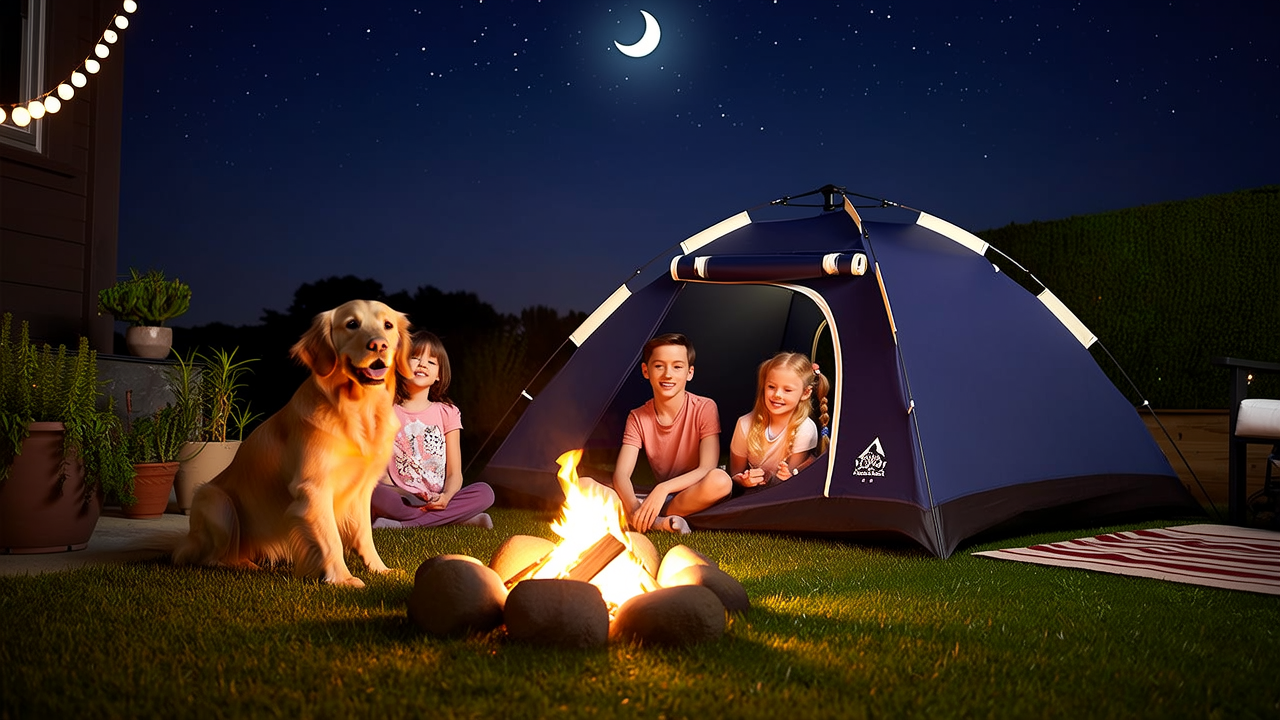 Backyard Camping: Family Survival Guide
 Nature Exploration Activities for Young Kids
 Backyard Obstacle Course Ideas for Kids
 Start Arts & Crafts: Outdoor-Inspired Beginner Guide
 Heelys Kids Safety Guide: Pediatrician-Reviewed (2026)
 Outdoor Sensory Play Ideas for Toddlers
 Outdoor Sensory Play Ideas for Toddlers