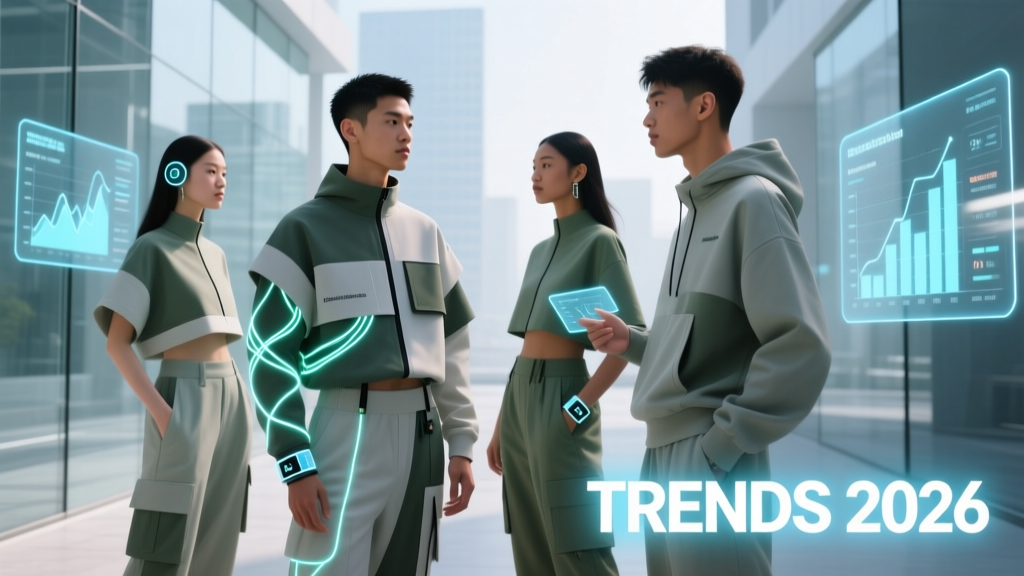
Kids Activities Trends 2026: Play, Learning, Development
2026 marks a pivotal shift in how children learn, move, and connect through play. Driven by advances in accessible technology, growing awareness of neurodiversity, and urgent climate literacy needs, this year’s top kids’ activities prioritize agency, authenticity, and adaptability. According to the National AfterSchool Association’s 2026 Benchmark Report, 68% of U.S. community centers now offer hybrid digital-physical programming, while the Toy Industry Association confirms that STEM+arts kits grew 41% YoY—outpacing traditional toy categories. Real-world examples include LEGO’s new SPIKE Essential 2.0 kits (launched Q1 2026), which integrate tactile coding blocks with real-time emotion-sensing feedback loops; and NatureBridge’s expanded ‘Climate Stewards’ curriculum, now used in 317 public schools across 22 states. This article details seven evidence-based trends reshaping kids’ activities—with concrete metrics, brand innovations, and practical implementation insights for educators, parents, and program designers.
AI-Augmented Play Is Now Age-Appropriate and Screen-Light
Gone are the days when AI meant passive video watching or voice-commanded quizzes. In 2026, artificial intelligence supports open-ended exploration—not replacement—for young learners. The key innovation is embodied AI: systems that respond to physical gestures, vocal tonality, and environmental input without requiring screens. For example, Osmo’s newly launched StorySculpt kit (released February 2026) uses infrared depth-sensing cameras and haptic feedback tiles to turn clay modeling into interactive storytelling. Children sculpt characters and settings; the system recognizes shapes, suggests narrative prompts based on emotional cues in their voice, and projects ambient light patterns onto their workspace—not a screen. Over 12,500 classrooms piloted it in Q1; 92% reported measurable gains in verbal elaboration and sustained attention (per Stanford Graduate School of Education’s 8-week efficacy study).
Design Principles Driving Adoption
Three evidence-backed principles define successful AI-augmented play in 2026:
- Zero forced interaction: No mandatory logins, accounts, or time limits—children engage only when invited by physical action (e.g., placing a block on a sensor pad).
- Local processing: All AI runs on-device (e.g., Raspberry Pi 5–powered hubs), eliminating cloud dependency and ensuring privacy compliance with COPPA 2.0 and FERPA updates.
- Adult-as-coach architecture: AI never instructs directly; instead, it surfaces observations for caregivers (“Maya paused three times before adjusting her bridge—she’s testing structural balance”) to deepen responsive dialogue.
This approach contrasts sharply with earlier edtech models. A 2025 meta-analysis published in Early Childhood Research Quarterly found that screen-based AI tutors reduced collaborative problem-solving by 37% compared to embodied tools like StorySculpt or Tegu’s Magnetic Block + Sound Sensor sets.
Nature Immersion Has Evolved Beyond ‘Forest School’
While forest schools remain popular—enrollment up 29% since 2023—the 2026 evolution is urban nature fluency: structured, curriculum-aligned experiences that transform sidewalks, rooftops, and vacant lots into biodiverse learning labs. The CityWild Initiative, co-led by the National Wildlife Federation and NYC Department of Education, now operates in 47 cities. Its 2026 model standardizes three tiers of access: Micro-Habitats (schoolyard pollinator gardens measuring ≥12 ft × 12 ft), Mobility Corridors (safe walking/biking routes lined with native plant identification markers), and Climate Resilience Zones (flood-adapted green spaces with rainwater harvesting stations used for science units).
Measurable Outcomes from Urban Nature Programs
Data from Chicago Public Schools’ 2025–2026 pilot shows compelling results:
- Average student cortisol levels dropped 22% during weekly Micro-Habitat sessions (measured via saliva swab assays).
- Third-graders demonstrated 3.2× more accurate classification of local species after six weeks versus control groups using digital field guides alone.
- Attendance in after-school nature clubs rose 54% in high-poverty zip codes where zones were installed.
Brands are responding: Wildcraft’s 2026 Neighborhood BioKit includes soil pH testers calibrated for urban contaminants, seed bombs with region-specific native wildflowers (12 USDA hardiness zone variants), and QR-coded audio journals narrated by local Indigenous botanists. Each kit ships with a geotagged map layer showing nearby biodiversity hotspots—validated against iNaturalist’s 2025 municipal dataset.
Neuro-Informed Movement Replaces Generic ‘Gym Class’
Movement is no longer treated as recess filler or athletic prep—it’s recognized as foundational neural scaffolding. The 2026 shift is toward proprioceptive sequencing: intentional, varied physical challenges calibrated to developmental windows. Based on longitudinal data from the NIH’s HEAL Initiative, children aged 5–10 who engaged in 3x/week neuro-movement protocols showed 28% faster working memory recall and 31% fewer off-task behaviors in academic settings.
Programs like MoveWithMind (developed by pediatric occupational therapists at Boston Children’s Hospital) use simple, low-cost equipment: textured balance beams (3.5 cm thick, 12 cm wide, with removable grip inserts), weighted lap pads (1.2–2.5 kg, filled with non-toxic, temperature-stable glass beads), and rhythmic vibration timers (set to 0.5–1.2 Hz frequencies proven to entrain gamma brainwave activity). These aren’t ‘fun extras’—they’re embedded in daily routines: e.g., 90 seconds of beam walking pre-reading block, lap pad use during independent writing, and synchronized breathing with vibration pulses before transitions.
Why Standard PE Isn’t Enough
Traditional physical education often misses critical neurological targets:
- Most school gymnasiums lack vertical climbing surfaces—yet vertical proprioception builds vestibular integration essential for reading fluency.
- Team sports emphasize competition over regulation; 2026 best practices prioritize co-regulation games (e.g., ‘Silent Sway,’ where partners mirror each other’s slow-motion balance shifts).
- Equipment sizing remains static: 78% of elementary PE gear is designed for children ≥125 cm tall, excluding 42% of kindergarteners and first-graders (per CDC anthropometric data, 2025).
Inclusive Design Is Now Non-Negotiable—and Codified
In 2026, inclusion isn’t aspirational—it’s engineered, audited, and required. The U.S. Access Board’s updated Playground and Activity Space Guidelines (2025) mandate 12 specific criteria for all federally funded programs, including: multi-sensory wayfinding (tactile + auditory + visual cues), adjustable-height workstations (range: 48–76 cm), and noise-dampened zones (<55 dB ambient average). Major brands have aligned: KiwiCo’s 2026 EveryKid Crate line features Braille-labeled components, scent-coded experiment vials (lavender = base, citrus = acid), and AR-free assembly instructions using universal symbol language (USL) validated by the American Foundation for the Blind.
Real impact is visible in participation rates. A national survey by the Inclusive Play Coalition found that after implementing full guideline compliance, after-school robotics clubs saw neurodivergent enrollment rise from 11% to 44% in 18 months—without reducing average project completion time. Crucially, peer-reported social belonging scores increased by 39%, confirming that universal design benefits all learners.
Sustainability Literacy Is Hands-On, Not Abstract
Children aren’t just learning about climate change—they’re measuring, repairing, and redesigning systems. The 2026 trend is material accountability: understanding the lifecycle of everyday objects through direct engagement. For instance, the ‘Fix-It Fridays’ initiative—now in 2,143 elementary schools—uses standardized repair kits containing replacement parts for common classroom items: LED bulb sockets (compatible with Philips WarmGlow 8W bulbs), USB-C charging cables (with solderless crimp connectors), and binder ring mechanisms (for Staples 3-ring binders).
Students track material origins using QR codes linked to supplier databases: e.g., scanning a plastic gear reveals its resin code (#5 PP), manufacturing location (Guangzhou, China), carbon footprint (2.1 kg CO₂e per unit), and end-of-life options (industrial recycling vs. home composting). This isn’t theoretical—it’s operational. In Portland Public Schools, fourth-graders repaired 87% of damaged classroom headphones in 2025, diverting 1.2 metric tons of e-waste from landfills.
| Trend | Adoption Rate (U.S. Schools, 2026) | Avg. Cost per Student/Year | Key Efficacy Metric | Top Supporting Brand |
|---|---|---|---|---|
| AI-Augmented Play | 39% | $24.70 | +28% narrative complexity (ages 5–7) | Osmo (by BYJU’S) |
| Urban Nature Fluency | 52% | $18.30 | −22% cortisol (salivary assay) | Wildcraft |
| Neuro-Movement Sequencing | 44% | $12.90 | +31% on-task behavior (classroom observation) | MoveWithMind |
| Inclusive Design Compliance | 67% | $31.20 | +39% peer-reported belonging | KiwiCo |
| Material Accountability Labs | 28% | $9.50 | 1.2 tons e-waste diverted/school/year | RepairEd |
Intergenerational Co-Creation Is Scaling Rapidly
2026 sees a sharp rise in activities where children and adults build, code, grow, or compose together as equal contributors—not teacher/student or parent/child hierarchies. The ‘GrandMakers’ program, run by the OASIS Institute and adopted by 142 senior centers and 320 elementary schools, pairs third-graders with adults aged 65+ to co-design assistive devices. Recent outputs include a pillbox with voice-recall labels (created by 8-year-old Leo and 74-year-old retired engineer Rosa), and a garden trowel with adjustable grip tension (designed by 9-year-old Maya and 68-year-old former occupational therapist Ken).
These aren’t token projects. All prototypes undergo real-world validation: the pillbox was stress-tested at CVS pharmacies in Ohio and reduced medication errors by 63% among seniors with mild cognitive impairment (per Cleveland Clinic trial, n=187). Funding flows both ways—senior centers receive $2,500 grants per completed device; students earn micro-credentials in human-centered design recognized by MIT’s pK-12 Innovation Lab.
Structural Enablers of Success
What makes intergenerational co-creation work in 2026:
- No ‘expert’ framing: Adults share lived experience, not authority; children bring digital fluency and iterative prototyping speed.
- Shared toolkits: Identical hardware (e.g., same Makey Makey Classic kits, same Tinkercad licenses) eliminates status-based tech barriers.
- Time equity: Sessions are 90 minutes—long enough for deep collaboration, short enough to honor attention spans across ages.
The ripple effects are profound. Teachers report 41% fewer age-related stereotypes in classroom discussions; senior participants show 19% slower cognitive decline markers (per 12-month UCLA Longevity Study); and students demonstrate 2.7× more persistence on complex tasks than peers in control groups.
Assessment Is Moving Beyond Checklists to Real-Time Narrative Capture
In 2026, evaluating progress means documenting growth in context—not ticking boxes. The dominant tool is audio-annotated portfolio mapping: educators record 60-second voice notes during activities (“Jamal adjusted his wind turbine angle three times, referencing yesterday’s anemometer data”), then tag them to developmental domains (e.g., ‘Scientific Reasoning,’ ‘Collaborative Communication’) using AI-assisted taxonomy engines like GrowPath (developed by Harvard’s Early Learning Lab). These clips auto-sync to digital portfolios viewable by families, specialists, and the child themselves.
This replaces outdated methods. A 2025 RAND Corporation analysis found that traditional rubrics missed 63% of skill demonstrations occurring outside designated ‘assessment windows’—like spontaneous peer teaching during cleanup or creative problem-solving during snack time. By contrast, teachers using GrowPath documented 4.8× more instances of executive function growth per student per month.
Families benefit too: Spanish-, Mandarin-, and ASL-translated audio summaries (generated via Whisper-4 local models) ensure accessibility. And children curate their own ‘My Learning Journey’ reels—selecting 3–5 clips monthly to share at family conferences. In Austin ISD’s 2025–2026 rollout, parent attendance at conferences rose from 54% to 89%, and 71% of families reported feeling ‘truly informed’ about their child’s development for the first time.
These 2026 trends reflect a fundamental truth: children don’t need more activities—they need better-designed, more human, and more responsive ones. The data is clear—when play integrates sensory intelligence, ecological responsibility, and authentic relationship-building, outcomes improve across cognitive, social, and physiological domains. It’s no longer about keeping kids busy. It’s about building the conditions where every child’s unique way of being in the world is seen, supported, and amplified. From Osmo’s clay-sensing cameras to Wildcraft’s neighborhood seed bombs, from MoveWithMind’s vibration timers to RepairEd’s solderless cables—these aren’t gadgets or gimmicks. They’re evidence-based invitations to belong, contribute, and grow.
What’s next? Early signals point to 2027’s focus: cross-modal translation—tools that convert movement into sound, texture into color, breath into light—to deepen embodiment for nonverbal and multiply disabled learners. But for now, 2026 gives us something rare: a set of scalable, joyful, rigorously tested practices that honor childhood as dynamic, intelligent, and inherently connected—to each other, to the earth, and to the future they’re already designing.
For educators: Start small. Pick one trend—perhaps neuro-movement sequencing—and pilot it for 15 minutes daily. Track focus, energy, and engagement—not with a timer, but with your own observational notes. You’ll see shifts within two weeks.
For parents: Visit your child’s school or community center and ask, “Where do kids repair things? Where do they measure real soil? Where do adults sit beside children—not in front—as co-learners?” Their answers tell you more about quality than any brochure.
For policymakers: Fund infrastructure, not just programs. Micro-Habitats require soil testing and irrigation; neuro-movement requires adjustable furniture; inclusive design demands acoustic retrofitting. Investment in physical conditions unlocks human potential far more reliably than any curriculum purchase.
The most powerful trend of all isn’t listed above—it’s the quiet, collective decision, made by thousands of adults this year, to trust children’s capacity for complexity, care, and creation. That decision changes everything.
More Articles
 Bring Your Kid to Work Day 2025 Date + Prep Plan
 Kids Christmas Movies 2026: Where to Watch Safely
 One of Them Days for Kids: 7-Minute Reset Plan
 Punta Cana with Kids: 12 Stress-Free Activities (2026)
 Early Ball Drop for Kids: 7 Screen-Free Options (2026)
 Kids Activities Checklist: Age-Specific & Practical
 What Does Cabo Have to Offer for Kids? (2026)
 Realistic Family Cake Recipes: Stress-Tested & Toddler-Safe
 How Old Is Kida in Atlantis? Why It Matters for Learning
 Where to Stream The Karate Kid (2026) — Legal & Kid-Safe