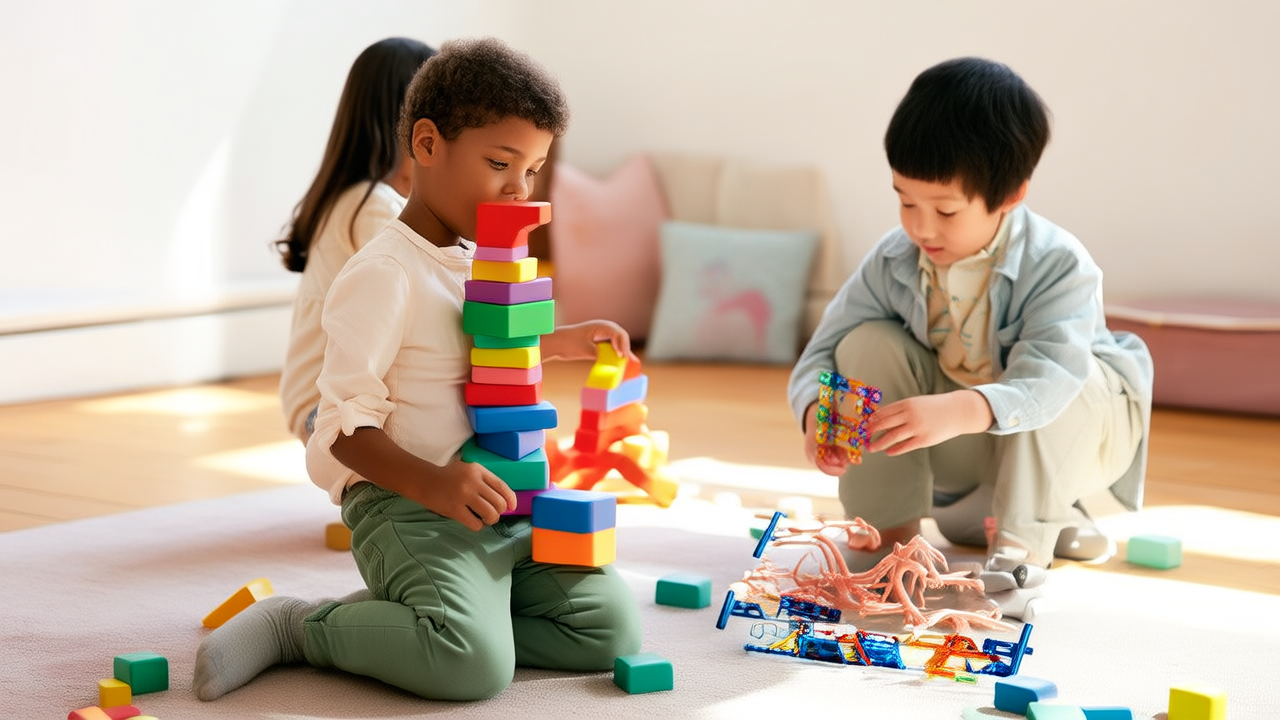
Best Toddler Beginner Activities: Simple, Safe, and Skill-Building Ideas
Toddler beginners do best with short, low-stress activities that build fine motor control, gross motor coordination, language, and problem-solving skills. Start with five to ten minutes of guided play, then offer free repetition. Use safe materials such as Crayola jumbo crayons, Melissa and Doug chunky puzzles, and BPA-free stacking cups. Keep small parts larger than three inches, set up a clean floor space about four feet square, and rotate four to six activities weekly. The goal is confidence, not perfection. Toddlers age 12 to 36 months need choices, praise, and a predictable routine that turns simple practice into play today.
Why Toddler Beginners Need a Different Play Plan
Beginners means new to a skill, not new to being a toddler. A 2-year-old may be advanced at running but brand-new at coloring, pouring, sorting, or waiting for a turn. If you set the bar too high, the child gets frustrated and you spend the session correcting instead of teaching. The best toddler beginner plan starts at the child current ability and adds only one small challenge at a time. If stacking five blocks is easy, try stacking six and placing one cup on top. If a puzzle is too hard, remove the frame and let them match three pieces before adding the fourth.
Attention span is the other major variable. Many toddlers can sustain a quiet activity for about two to eight minutes, depending on mood, hunger, and interest. That does not mean play must be short. It means one direct-teaching segment should be short, then the activity can shift into free repetition. A child may color for three minutes, then line up crayons for six more, then pretend the crayons are food. That is still beginner play because the child is practicing grip, hand-eye coordination, and vocabulary.
Beginners also need visible success. Use clear bins, low shelves, and simple choices. When materials are easy to see and reach, toddlers are more likely to choose independently. A 12-month-old may pull a soft book and flip pages without help if it is on a low shelf. A 24-month-old may pick a shape sorter if the pieces are sorted by color rather than mixed in a bag. The environment should say, you can do this, not, here is a confusing mess.
Core Skills Toddler Beginners Should Target
Toddler development is broad, but beginner activities should target a few practical skills that carry into later learning. Pick two or three focus areas each week instead of trying to cover everything at once. The table later in this article shows how common beginner activities map to skills, time, and setup. Keep the focus simple: hands, body, words, and problem solving.
Fine Motor Basics
Fine motor skills include grasping, pinching, twisting, tearing, squeezing, and controlling a tool. For beginners, start with larger objects and gradually reduce size. A child who can hold a jumbo crayon can later use a standard crayon. A child who can grasp a 3-inch cup can later handle a 1.5-inch spoon. Aim for activities with a clear end product, such as a completed puzzle, a stacked tower, or a sticker page. Use 15 to 20 minutes of daily quiet practice and let the child stop early if they are still interested but the skill is learned.
Gross Motor Basics
Gross motor skills involve balance, climbing, stepping, throwing, catching, and moving through space. Beginner gross motor work should not be complicated. Use a four-foot square play area, a low step about 4 to 6 inches high, a soft ball 6 to 8 inches in diameter, and a target bin 10 to 12 inches wide. Activities like walking along a taped line, stepping over a pillow, or tossing beanbags into a basket teach body awareness without pressure. These skills also support attention because movement helps toddlers regulate their energy.
Language and Social Basics
Beginner language work should include naming, requesting, following two-step directions, and turn-taking. You do not need flashcards. Narrate play using short phrases, such as cup, red cup, pour, more, stop, my turn. By 24 months, many toddlers use at least 50 words, and many use two-word phrases, though development varies widely. Social beginners need practice waiting, sharing one item, and responding to simple choices. Use activities with built-in pauses, such as rolling a ball back and forth, building a tower for a parent to knock down, or taking turns placing puzzle pieces.
The Best Toddler Beginner Activities by Skill Area
The best beginner activities are repeatable, safe, and easy to set up. They should not require a new craft project every day. I recommend a rotation of six to eight core activities, then small variations. For example, sorting can be shapes, colors, socks, pasta, or toy animals. Pouring can be water, rice, beads, or playdough scraps. The skill stays the same, but novelty keeps the child interested. Below is a practical list of beginner-friendly options that work at home, daycare, or travel.
- Stacking cups or blocks: target 2 to 6 blocks for 12 to 18 months, 4 to 8 blocks for 18 to 24 months, and 6 to 12 blocks for 24 to 36 months.
- Chunky puzzles: start with 4-piece Melissa and Doug puzzles, then move to 8 to 12 pieces once the child can match by shape.
- Playdough squeeze: roll into 2-inch balls, flatten with a 3-inch rolling pin, or press cookie cutters about 2 inches wide.
- Taped line walking: use painter tape in a 4 to 6 foot line and ask the child to walk heel to toe.
- Simple pouring: use a 6-ounce cup and a 12-ounce bowl, then transition to a 3-ounce measuring cup for older toddlers.
- Sticker peeling: begin with large 1-inch stickers, then use 0.5-inch circles for advanced beginners.
How to Use the Activity Table
The table below compares popular beginner activities by age fit, skill focus, typical time, setup, and material cost. Use it to build a weekly plan. The cost estimates are approximate and based on common classroom or home prices for reusable kits. If you already own similar items, you can swap brands. The important thing is matching the activity to the child current level, not chasing the most expensive toy.
| Activity | Best For | Main Skill | Time | Setup | Cost Estimate |
|---|---|---|---|---|---|
| Crayola jumbo crayon scribble | 12 to 24 months | Grip and wrist control | 5 to 10 minutes | 1 sheet paper, 3 crayons | 8 to 15 dollars |
| Melissa and Doug chunky puzzle | 18 to 36 months | Matching and problem solving | 5 to 15 minutes | 1 puzzle, low tray | 10 to 20 dollars |
| BPA-free cup stacking | 12 to 36 months | Balance and release | 5 to 12 minutes | 6 cups, floor mat | 5 to 12 dollars |
| Beanbag toss | 18 to 36 months | Gross motor aim | 10 to 20 minutes | 2 beanbags, 12-inch bin | 7 to 18 dollars |
| Playdough rolling | 24 to 36 months | Finger strength | 10 to 20 minutes | 2 dough balls, 3 tools | 6 to 14 dollars |
| LeapFrog phonics sound book | 18 to 36 months | Language exposure | 5 to 10 minutes | 2 batteries, quiet space | 10 to 18 dollars |
When choosing beginner activities, look for one clear action. A child does not need an activity that combines reading, counting, cutting, and cleanup all at once. A simple action is easier to learn and easier to praise. For example, a toddler who can peel a sticker is not practicing fine motor only. They are also learning cause and effect, because the sticker comes off when they pull. That one connection is enough for a beginner session.
Safe Setup and Materials for Toddler Beginners
Safety comes before creativity. Toddlers explore with their mouths, so any material that fits entirely inside a small-parts test cylinder is not suitable for children under 3 unless an adult is closely supervising and the item is not a choking hazard. A common test cylinder is about 1.25 inches in diameter and 2.25 inches deep. Keep paint, glue, and playdough labeled non-toxic, and avoid small magnets, button batteries, and loose beads. If you use water activities, dry the floor immediately because a wet tile can become a slipping hazard within seconds.
- Clear a four-foot square floor area and remove shoes, cords, and small debris.
- Place materials in a shallow bin with handles about 8 inches wide so the child can carry it.
- Use a low table about 15 to 18 inches high and a chair that lets feet rest flat.
- Check pieces for cracks, sharp edges, and loose parts before each session.
- Limit quiet activities to 10 to 15 minutes, then offer movement or free repetition.
- Store small parts in a locked bin when not in use, especially around younger siblings.
Brands can be helpful when you are unsure about size and safety. Crayola Toddler Jumbo Crayons are wide enough for a fist grip and easier to control than standard crayons. Melissa and Doug First Chunky Puzzles use thick pieces that resist bending and are easier for small fingers to grasp. LeapFrog products often add sound cues, which can support beginner language, but keep volume low and sessions brief. For sensory play, BPA-free stacking cups from common retail brands are inexpensive and easy to sanitize. The best brand is the one that matches the child current skill and your cleanup tolerance.
A Weekly Beginner Play Routine
Beginners need repetition, not novelty. A simple weekly routine gives the child confidence and gives you predictable cleanup. Aim for two short focused sessions per day, each 10 to 15 minutes, plus free play. If the child resists, reduce the time to three minutes and keep it positive. A routine can be the same for three to four weeks while you add tiny variations. The goal is to make the child feel capable, not to complete a checklist.
- Monday: fine motor with crayons or stickers, 10 minutes, then walk a taped line.
- Tuesday: puzzle matching with 4 to 8 pieces, 10 minutes, then cup stacking.
- Wednesday: sensory play with playdough or water cups, 15 minutes, then cleanup practice.
- Thursday: gross motor toss with a 6-inch ball, 15 minutes, then two-step directions.
- Friday: language book with simple sounds or names, 8 minutes, then pretend play.
- Saturday: outdoor walking, stepping, or sidewalk chalk, 20 to 30 minutes.
- Sunday: child choice from the week, 10 to 20 minutes, with parent narration.
One of the most effective beginner strategies is the sandwich method. Start with a known skill, add one new challenge, then end with a known skill. For example, begin with a 4-piece puzzle the child can already do, try a 6-piece puzzle for two minutes, then finish with the 4-piece puzzle and praise completion. This reduces resistance because the child starts and ends with success. It also prevents the activity from feeling like a test.
Common Mistakes and Easy Fixes
One common mistake is choosing activities that are too close to a toddler age label rather than the child actual skill. A 30-month-old may still be a beginner at pencil grip, while a 16-month-old may be ready for a 6-piece puzzle. Match the child, not the age range. If the child cannot do the skill about 60 percent of the time, the activity is too hard. If the child does it effortlessly, increase difficulty slightly by changing one variable, such as smaller pieces, less guidance, or a 10-second delay before helping.
Another mistake is over-talking during quiet play. Toddlers need language, but they also need processing time. If you narrate every second, the child may wait for your instruction instead of exploring. Try a 10-second pause after asking a simple question. If they do not respond, model the action once, then wait again. For example, say, which color goes here? Wait, place one piece, then wait. This helps beginners learn to try rather than copy only when prompted.
How to Track Toddler Beginner Progress
Progress with toddlers is often uneven. A child may stack six blocks on Tuesday and knock them down on purpose on Wednesday. That is normal. Track small wins using a simple log: skill, date, number of attempts, and level of help. For example, puzzle: child matched 3 pieces with one prompt. Pouring: child poured 2 ounces with little spill. Language: child said more during snack. You do not need a formal assessment. A five-line note each week is enough to show whether difficulty should stay the same, increase, or reset.
Use praise that is specific. Instead of good job, say, you put the red piece in the red hole. This tells the beginner what worked. Keep a visible success bin where completed puzzles, scribbles, or stacks are photographed or saved. Many toddlers love seeing their own work. If you are in a classroom, use a small cubby and a photo wall at child eye level, about 24 to 30 inches high. The best toddler beginner plan is simple, safe, and repeatable, with just enough challenge to make the child want to try again.
More Articles
 Cheap vs Premium Kids Gear: What Matters
 What to Do with Kids in Asheville (2026)
 How Old Are The Kids In Little League World Series (2026)
 Karate Kid Legends: Where to Watch in 2026
 What Did the Kid Get at the Phillies Game? (2026)
 Where to Take Kids in 2026: Data-Backed Local Guide
 Royal Caribbean Kids Club: Ages, Cost & Safety (2026)
 Digital Circus for Kids: Safety, Age Fit & Screen Impact
 Urban Air Drop-Off Policy: What Parents Need to Know (2026)
 Sensory Activities for Kids: 7 OT-Recommended Ideas (2026)