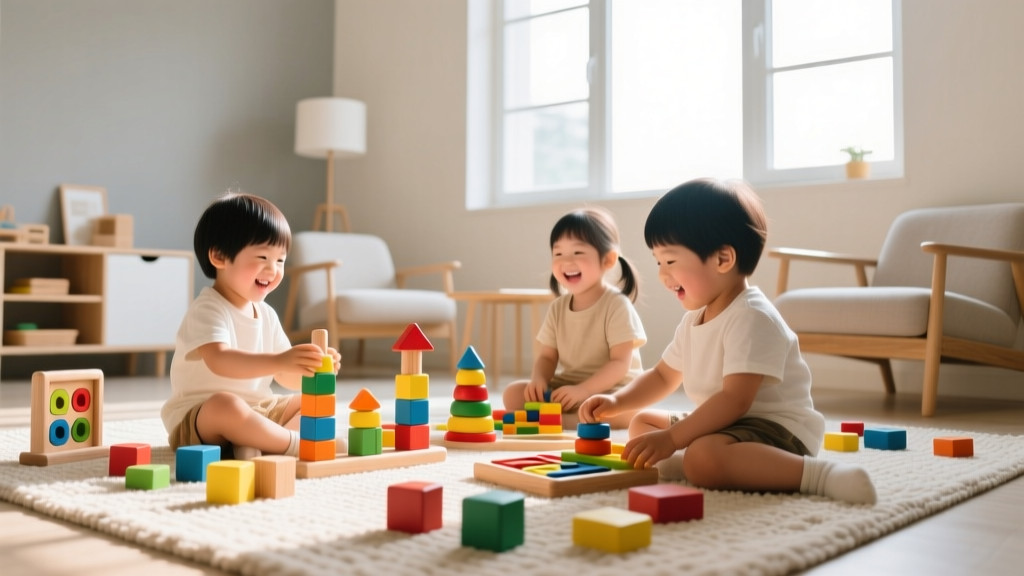
Toys That Teach Empathy and Social Skills
Toys That Teach Empathy and Social Skills
In today's fast-paced world, teaching children empathy and social skills is more important than ever. Educational toys designed with these goals in mind can help kids learn how to understand and connect with others. These toys not only entertain but also foster emotional intelligence and cooperation.
Why Empathy and Social Skills Matter
Empathy is the ability to understand and share the feelings of others. Social skills involve communication, cooperation, and conflict resolution. Together, they form the foundation for healthy relationships and successful interactions in school, work, and life. By incorporating these values into play, children can learn these essential skills in a fun and engaging way.
Types of Educational Toys That Promote Empathy
Several types of toys are specifically designed to encourage empathy and social development:
- Role-Playing Sets: These allow children to act out different scenarios, helping them see situations from others' perspectives.
- Emotion Recognition Games: These games teach kids to identify and express emotions, improving their emotional awareness.
- Cooperative Board Games: Unlike traditional competitive games, these require teamwork and communication to win.
- Social Storybooks: Designed for children with autism or those learning social norms, these books use stories to explain social situations and appropriate responses.
- Interactive Dolls and Figures: These encourage imaginative play and help children practice caring and nurturing behaviors.
Examples of Empathy-Focused Toys
Several popular educational toys stand out for their focus on empathy and social skills:
- Play-Doh Emotional Learning Kits: These kits include tools for creating and discussing different emotions, helping kids articulate their feelings.
- Little People: Emotions & Feelings Set: This set features characters with different expressions, encouraging discussions about emotions and reactions.
- Outfoxed! Board Game: A cooperative game where players work together to solve a mystery, promoting teamwork and problem-solving skills.
- EmotiBuddy: A plush toy that helps children recognize and manage emotions through interactive storytelling and guided conversations.
- MindWare Social Skills Cards: These cards provide prompts for role-playing social situations, helping children practice real-life interactions.
These toys often combine creativity with structured learning, making it easier for children to absorb important social concepts without feeling like they're being taught directly.
Benefits of Using Empathy-Teaching Toys
Using these types of toys offers numerous benefits:
- Improved Communication: Children learn to express their thoughts and listen to others more effectively.
- Enhanced Emotional Intelligence: They become more aware of their own and others' emotions, leading to better emotional regulation.
- Stronger Relationships: With improved social skills, children can build and maintain healthier relationships with peers and family.
- Increased Confidence: As they gain social skills, children feel more confident in various social settings.
Parents and educators can support this learning by engaging with children during play, asking open-ended questions, and reinforcing positive social behaviors.
Conclusion
Empathy and social skills are vital for personal and academic success. Educational toys that promote these skills offer an effective and enjoyable way for children to learn. By choosing the right toys and actively participating in play, adults can help shape emotionally intelligent and socially aware future generations.
More Articles
 Best Building Blocks for Toddlers
 Did Blackbeard Have Kids? Truth, Myths & Teaching Tools
 What Episode Did Shanks Fight Kid? (Spoiler-Free Truth)
 NYT Crossword 3-Down Stuck? Proven Solving Systems (2026)
 William Zabka’s Age in Karate Kid Revealed
 Best Puzzle Toys for Spatial Reasoning Development
 How Old Is Kid 'n Play? (2026) — Rappers, Not Toys
 Wooden vs Plastic Toys: What Research Shows
 20 Best Puzzles for Kids Ages 4–8: Brain Development
 Billy the Kid Filming Locations & Learning Activities