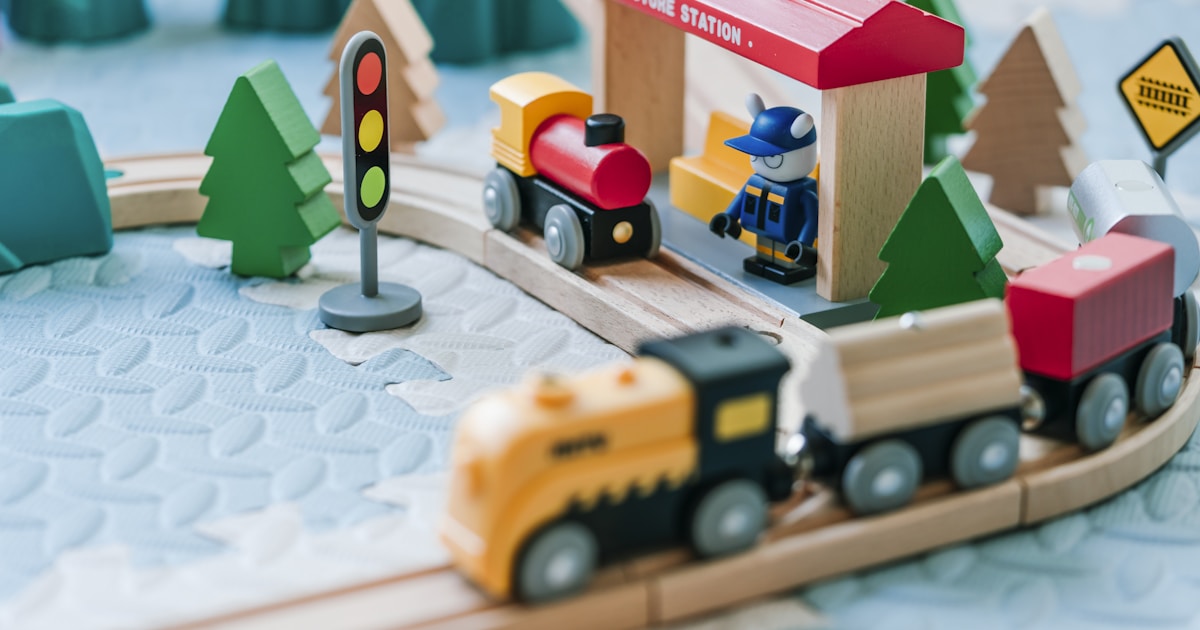
Wooden vs Plastic Toys: What Research Shows
The wooden vs plastic toy debate often generates more heat than light. Let's look at what peer-reviewed research actually says about how toy materials affect child development.
What Research Shows About Material
A 2022 study in Early Childhood Education Journal compared play behavior with wooden and plastic versions of identical toys. Key findings:
- Children played 23% longer with wooden versions
- Wooden toys prompted more imaginative and cooperative play
- Plastic toys with electronic features (lights, sounds) led to shorter, more passive play sessions
However, plain plastic toys without electronic features performed similarly to wooden ones — the issue isn't material per se, but the tendency for plastic toys to include distracting electronic elements.
Durability and Safety
High-quality wooden toys (solid hardwood, non-toxic finishes) typically last 10-20 years and can be passed through generations. Quality plastic toys (ABS, BPA-free) last 5-10 years. Cheap plastic toys often break within months.
The Balanced Approach
The most developmentally beneficial toy collections include both materials: wooden blocks and puzzles for open-ended play, alongside quality plastic items like LEGO for engineering and fine motor skills. The key is choosing simple, open-ended toys regardless of material.
More Articles
 Pope Had Kids? Truth Behind the Rumors
 Genghis Khan’s Genetic Legacy: 16M Male Descendants
 How Many Kids Did Queen Charlotte and King George Have?
 How Many Kids Did Genghis Khan Have? (2026)
 Queen Victoria’s Children: How Many & Why It Mattered
 Is Cobra Kai from Karate Kid? Truth for Parents & Educators
 Puzzle Toys That Build Critical Thinking
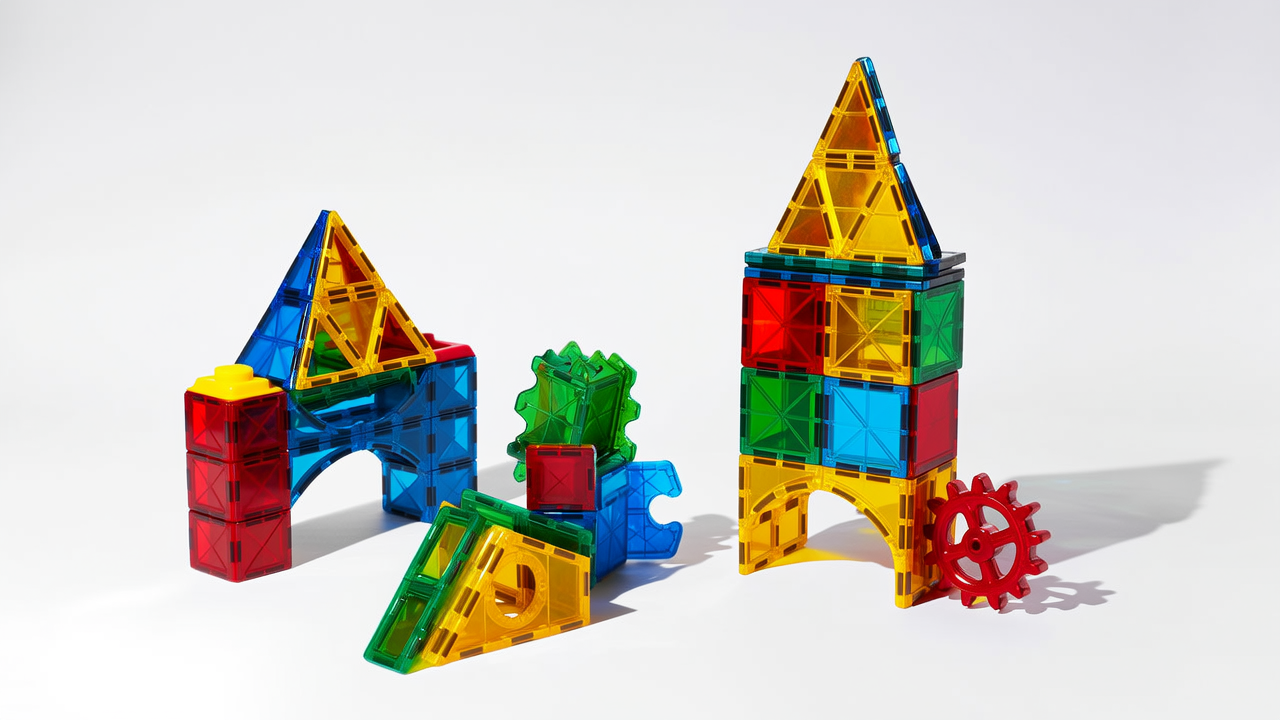 STEM Toys That Grow With Your Child
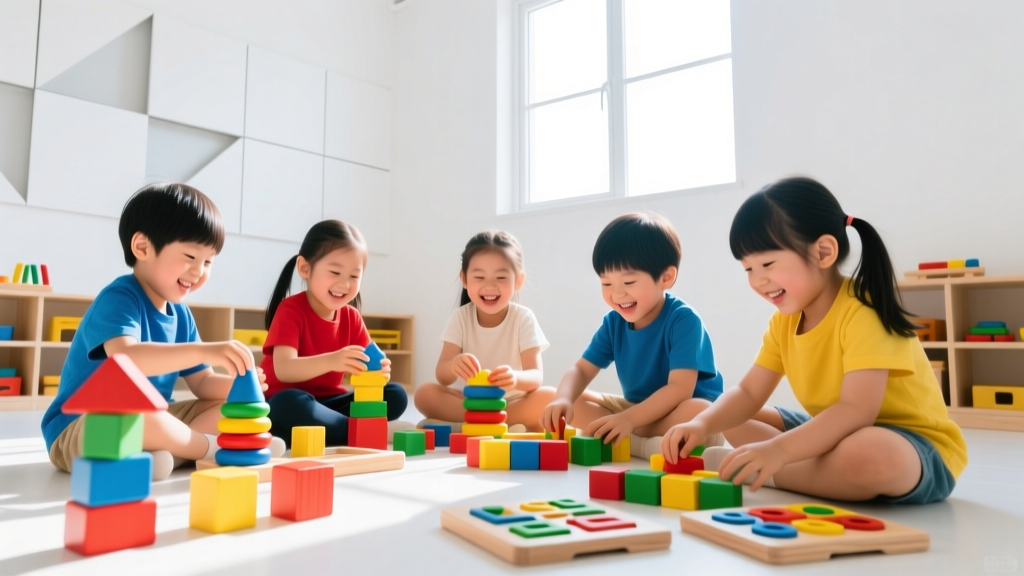 Puzzle Toys That Build Critical Thinking (2026)
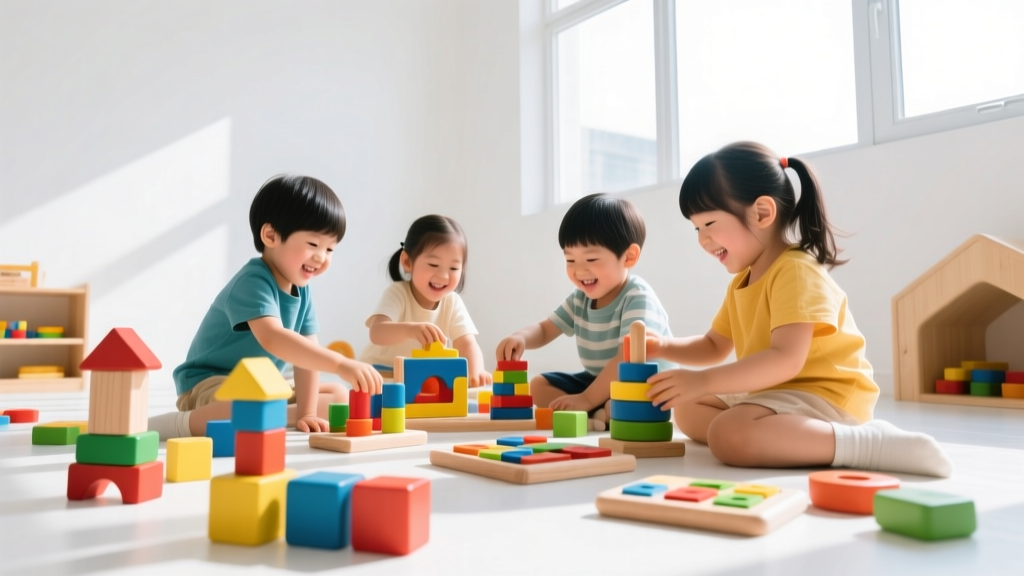 How to Choose Puzzles by Skill Level