Best Puzzle Toys for Problem Solving by Age (2026)
Why Puzzle Toys Are Secret Superpowers for Young Minds
Think of puzzles as brain gyms for little learners! From stacking rings to complex 100-piece jigsaws, puzzle toys gently challenge children to observe, predict, test ideas, and adjust strategies—all core ingredients of problem solving. Research shows that kids who regularly engage with developmentally appropriate puzzles build stronger neural pathways for reasoning, spatial awareness, patience, and even early math confidence. And the best part? They’re having so much fun, they don’t realize they’re leveling up their thinking skills!
But here’s the key: not all puzzles are right for all ages. A 2-year-old won’t benefit from a 50-piece dinosaur puzzle—and a 7-year-old might feel bored (or frustrated!) with chunky shape sorters. That’s why matching puzzle type and complexity to your child’s developmental stage makes all the difference. Let’s break it down by age—with safety, simplicity, and smiles in mind.
Puzzles by Age: What Works When (and Why)
Ages 1–2: Sensory Starters & Simple Success
At this stage, problem solving is all about cause-and-effect, hand-eye coordination, and joyful discovery. Puzzles should be large, sturdy, and tactile—with minimal pieces and maximum sensory feedback.
- Chunky wooden shape sorters (3–6 shapes): Teaches matching, rotation, and spatial fit
- Stacking cups or nesting blocks: Builds sequencing, size comparison, and balance awareness
- Simple 2–4 piece inset puzzles (animals, vehicles, faces): Reinforces object recognition and one-to-one correspondence
Safety Tip: Always choose puzzles labeled “non-toxic” and “ASTM F963 certified.” Avoid small parts—anything under 1.25” in diameter poses a choking hazard for toddlers. Supervise closely during play, especially with pull-apart or lift-the-flap puzzles.
Ages 3–5: Building Logic & Early Strategy
Preschoolers are natural experimenters! They’ll try turning, flipping, and retrying pieces—and start verbalizing their thinking (“This one doesn’t fit… maybe it goes *here*?”). This is where foundational logic begins.
- 8–24 piece cardboard jigsaw puzzles with thick, easy-grip pieces and familiar themes (farm animals, community helpers, emotions)
- Knobbed puzzles with themed trays (e.g., solar system, food groups)—great for vocabulary + categorization
- Simple pattern-matching games like First Orchard or My First Castle Panic: Introduce turn-taking, planning ahead, and collaborative problem solving
Pro Tip: Keep puzzles accessible on low shelves—let your child choose and set them up independently. Celebrate effort over completion: “I love how you kept trying different spots!” builds growth mindset more than saying, “Great job finishing!”
Ages 6–8: Leveling Up Logic & Critical Thinking
Now kids can hold multiple steps in mind, compare options, and self-correct. They’re ready for richer challenges that spark curiosity and persistence.
- 30–60 piece jigsaw puzzles with varied textures, glow-in-the-dark elements, or educational maps (U.S. states, world continents)
- Logic-based brainteasers like Rush Hour Jr., SmartGames IQ Puzzlers, or Balance Benders: Develop sequencing, deduction, and trial-and-error resilience
- Construction puzzles (Magna-Tiles, Tegu, or beginner LEGO sets with step-by-step guides): Encourage planning, symmetry, stability testing, and creative iteration
Safety Note: Double-check for sharp edges, secure magnets (especially in magnetic tiles), and non-choking-size parts—even older kids sometimes mouth small pieces when deeply focused. Store puzzles with lids or in labeled bins to prevent lost pieces and support cleanup habits.
How to Maximize the Problem-Solving Power of Puzzles
Puzzles aren’t magic—they shine brightest when paired with intentional, joyful interaction. Here’s how to get the most out of playtime:
- Play *with*, not *for*: Sit beside your child—not over them. Ask open-ended questions like, “What do you notice about this edge?” or “What might happen if we flip it?” instead of giving answers.
- Embrace the struggle: It’s okay—and essential—for kids to sit with confusion for 30 seconds or more. Resist the urge to jump in too soon. Say, “That’s tricky—I wonder what part feels hardest right now?”
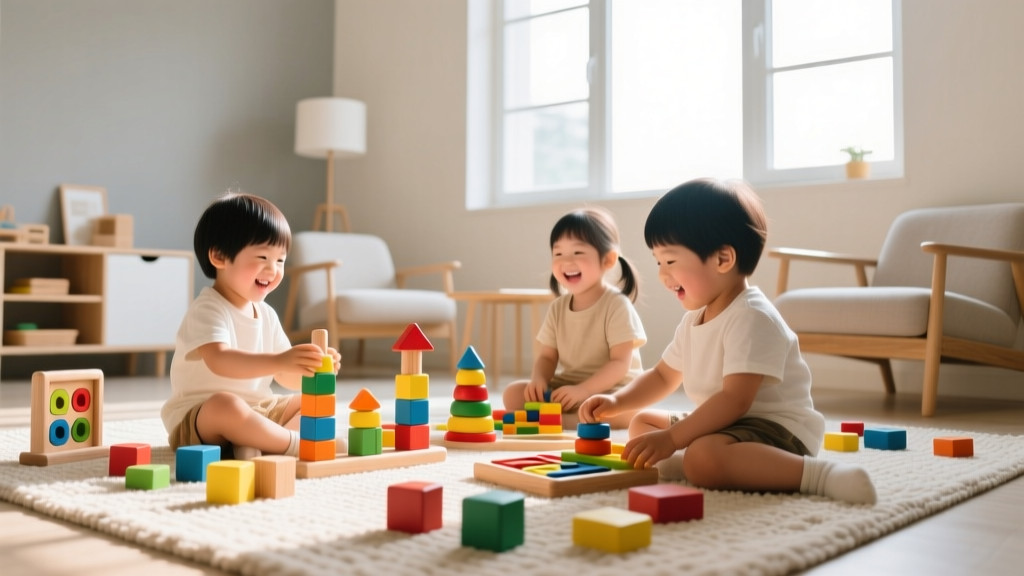
- Create a ‘puzzle corner’: A consistent, clutter-free space with good lighting and a soft rug or mat invites calm, focused engagement. Rotate puzzles every 2–3 weeks to maintain interest and challenge.
- Connect puzzles to real life: After a farm puzzle, visit a petting zoo. After a weather puzzle, track clouds together. Making links strengthens memory and meaning.
- Follow their lead: If your 4-year-old insists on doing the same 12-piece puzzle daily—great! Repetition builds mastery and confidence. Introduce a new challenge only when they show curiosity or boredom.
And remember: There’s no “right” pace. Some kids breeze through logic games but take time with fine-motor puzzles—and that’s perfectly normal. Your role isn’t to fix or accelerate—it’s to witness, encourage, and occasionally hand over the missing piece with a wink.
Final Thought: Puzzles Are More Than Play—They’re Practice
Every time your child lines up a puzzle piece, tests a theory, or tries again after a misfit, they’re strengthening the very muscles they’ll use to solve science questions, navigate friendships, and adapt to new school routines. In 2026—and every year—puzzle toys remain one of the simplest, most joyful, and most powerful tools in your parenting toolkit.
So go ahead: clear a spot on the floor, pour out the pieces, and let curiosity lead the way. The best solutions often begin with a single, wobbly fit—and a whole lot of heart.
More Articles
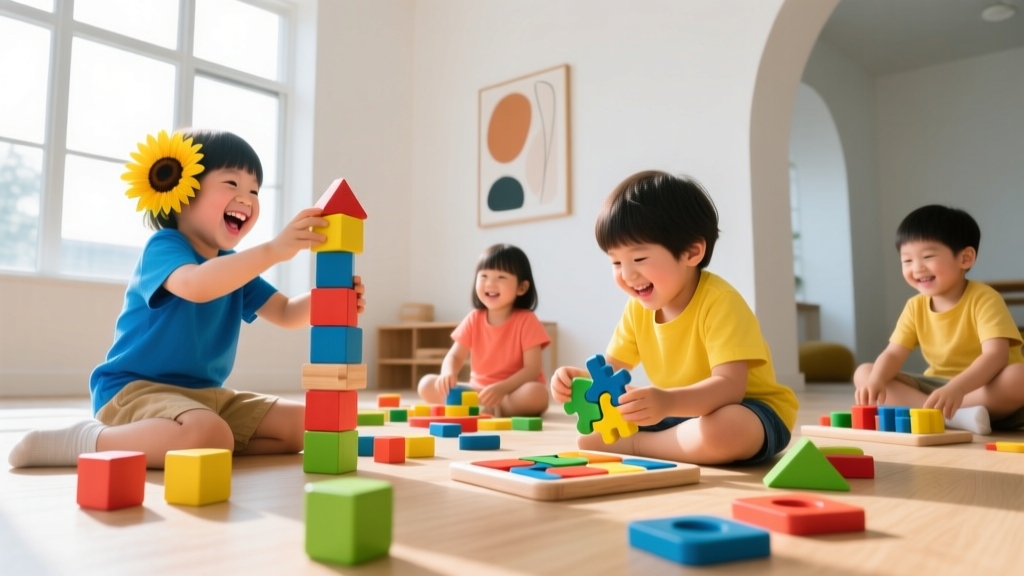 Best Coding Toys for Beginners (2026 Guide)
 Year for Beginners
 Cassie and Kid Cudi 2026: Are They Still Together?
 Jeffrey Epstein Kids: Verified Facts (2026)
 Recycled Toy Making for Beginners: A Hands-On Guide
 Cheap vs Premium Educational Toys: Learning, Safety & Value
 Best Kids' Learning Tablets Under $100 (2026)
 Cars for Kids: What They Really Do With Toy Vehicles
 Toys That Teach Empathy and Social Skills
 How Many Kids Did Zeus Have With Hera? (2026)