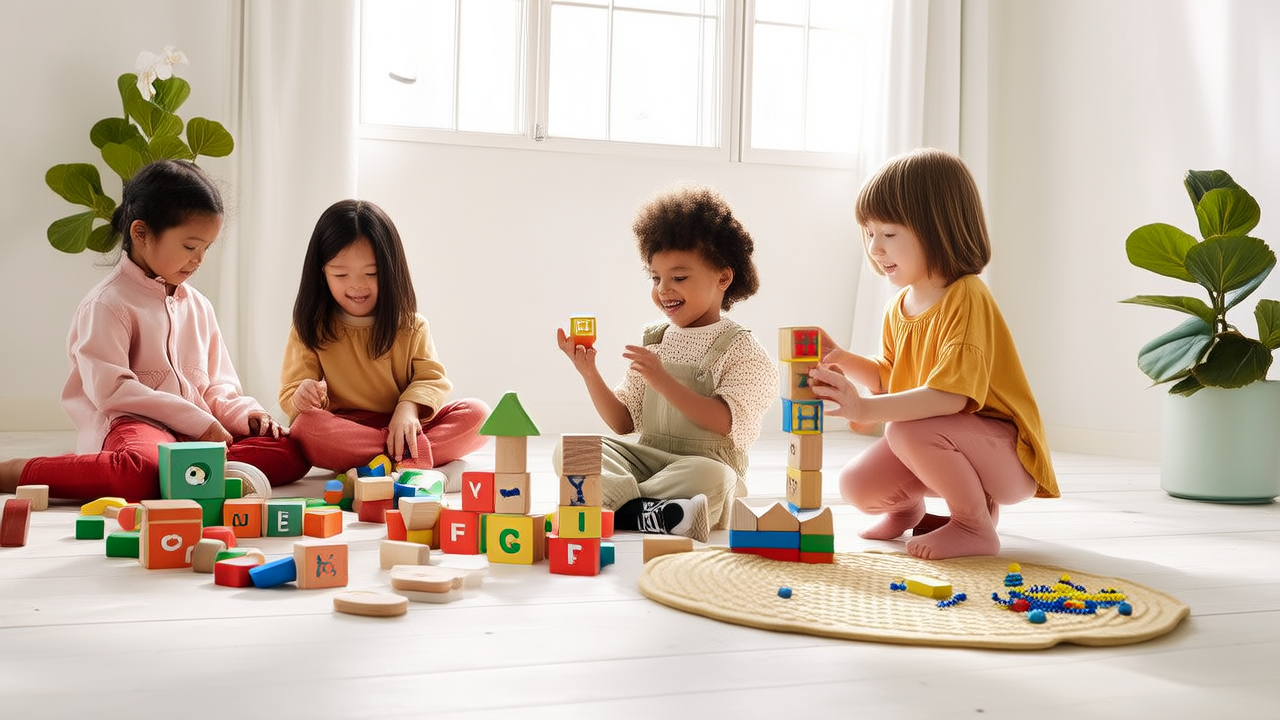
Watercolor Painting for Kids Ages 5–10
Watercolor Painting for Kids Ages 5–10
Watercolor painting is a joyful, forgiving medium perfect for children ages 5 to 10. Its transparency, easy cleanup, and vibrant results build confidence and fine motor skills. This guide covers essential techniques, safe tools, and realistic expectations—no prior art experience needed.
Why Watercolor Works for Young Artists
Unlike oil or acrylic paints, watercolors dry quickly, don’t require solvents, and wash off skin and clothes with soap and water. For kids, this means less frustration and more time creating. The medium encourages observation (e.g., watching how colors blend on wet paper), patience (waiting for layers to dry), and experimentation—key foundations for early learning.
Safe, Age-Appropriate Supplies
Choose non-toxic, AP-certified materials. All recommended products meet U.S. ASTM D-4236 safety standards.
- Paper: Strathmore 400 Series Watercolor Pad (9" × 12", 140 lb) — thick enough to resist warping, spiral-bound for easy page turning. Best for ages 6–10. For ages 5–6, start with Crayola Watercolor Paper Pads (8.5" × 11", 90 lb), which are smoother and less absorbent.
- Paints: Prang Washable Watercolor Paint Set (16-pans, plastic tray) — labeled “non-toxic,” dries to a matte finish, and rinses cleanly from hands and tables. Avoid liquid watercolors for under-7s—they’re harder to control and can stain clothing. For ages 8–10, try Faber-Castell Watercolor Pans (12-color set) — richer pigments, still AP-certified.
- Brushes: Use short-handled, chunky brushes with soft synthetic bristles. Recommended: Paintbrushes by Colorific (set of 3: round #4, flat ½", and detail #2). Ages 5–6 should use only the round #4; ages 7–10 can add the flat brush for washes.
- Extras: A shallow plastic palette (like the Art Advantage Student Palette), two small cups (one for clean water, one for rinse), and old cotton t-shirts as smocks. Never use adult aprons—they pose choking or entanglement risks for young kids.
Four Foundational Techniques (with Practice Steps)
1. Wet-on-Wet Blending
Ideal for ages 5–7. Teaches color mixing and flow control.
- Step 1: Use a damp (not dripping) #4 brush to lightly coat a 3" × 3" square on paper.
- Step 2: While still shiny-wet, touch in two drops of paint—e.g., blue and yellow—near opposite corners.
- Step 3: Watch them bleed and merge into green. No stirring! Let gravity do the work.
- Safety tip: Wipe excess water from the brush before dipping into paint to avoid muddy puddles.
2. Controlled Washes
Best for ages 7–10. Builds hand-eye coordination and consistency.
- Step 1: Load brush with paint + just enough water to make it fluid but not runny (like weak tea).
- Step 2: Start at the top of a vertical strip, press firmly, then lift brush smoothly downward in one stroke.
- Step 3: Repeat side-by-side, overlapping edges slightly to avoid streaks.
- Tip: Use the flat brush for wider washes; hold it parallel to the paper—not tilted—for even coverage.
3. Salt Texture
A fun sensory technique for all ages 5–10. Introduces cause-and-effect thinking.
- Step 1: Paint a shape (cloud, leaf, sun) with a saturated wash.
- Step 2: While still glistening, sprinkle coarse sea salt (never table salt—it dissolves too fast) using fingers or a small spoon.
- Step 3: Let dry completely (15–20 minutes), then gently brush salt off with fingertips.
- Safety note: Supervise closely—salt must never go near eyes or mouth. Keep a damp cloth nearby for quick wipe-downs.
4. Lifting Color
Teaches problem-solving and gentle touch. Great for ages 6–10.
- Step 1: Paint a solid rectangle with medium-strength blue.
- Step 2: Wait 30 seconds (set a timer)—it should be damp but no longer shiny.
- Step 3: Gently dab with a clean, damp (not wet) paper towel or sponge. Lift in small circles—not scrubbing—to reveal white paper underneath.
- Try lifting to make windows in a house, petals in a flower, or stars in a night sky.
What NOT to Do (Common Beginner Mistakes)
- Don’t overmix on the palette. Kids often swirl 3+ colors until they get brown mush. Instead, mix just two colors at a time—and rinse the brush well between hues.
- Don’t press too hard. Watercolor works best with light, floating strokes. Show kids how to hold the brush like a pencil—not a hammer.
- Don’t rush drying. Blowing on wet paint causes splatters and uneven textures. Use a fan on low setting placed 3 feet away—or just wait. A 3" painted area dries in ~5 minutes at room temperature.
- Don’t skip testing. Always test color strength on scrap paper first. Prang pans look pale in the tray but bloom brightly when wet.
Simple First Projects (Under 20 Minutes)
Keep sessions short and success-oriented. Finish each session with a clear takeaway.
- Ages 5–6: “Rainbow Cloud” — Draw a simple cloud outline with pencil. Paint inside using wet-on-wet blending (red/orange/yellow or blue/purple/pink). Add cotton-ball texture with glue and real cotton later.
- Ages 7–8: “Sunset Silhouette” — Paint a graded wash (yellow → orange → red) across the top half. Let dry. Then paint a black silhouette (tree, boat, mountain) with a detail brush using Crayola Washable Black Tempera (water-soluble, non-toxic, easier to control than black watercolor).
- Ages 9–10: “Leaf Print Study” — Collect 2–3 smooth leaves (maple, birch). Paint one side with diluted green watercolor. Press firmly onto paper, hold 5 seconds, lift. Observe veins and edges. Repeat with different colors.
Cleanup & Safety Reminders
Make cleanup part of the process—not an afterthought.
- Rinse brushes immediately after use. Never let paint dry in bristles—Prang and Faber-Castell pans rehydrate easily, but dried paint damages brush shape.
- Wash hands with mild soap and warm water—even “washable” paints leave residue.
- Store paints uncovered to air-dry fully before closing the tray. Trapped moisture breeds mold.
- Never allow drinking, eating, or face-touching during painting. Keep a visual “no mouth” sign (a red circle with a line through a mouth drawing) near the art space.
Encouragement Over Correction
For young children, the goal isn’t realism—it’s engagement. Praise specific actions: “I love how carefully you waited before adding the salt,” or “Your wash stayed smooth all the way down!” Avoid comparing work to samples or saying “That’s not how a tree looks.” Instead, ask open questions: “What part was most fun to paint?” or “If this sky could talk, what would it say?”
With consistent, low-pressure practice—just 10–15 minutes, 2–3 times per week—kids develop steady hands, color intuition, and creative courage. Watercolor doesn’t demand perfection. It invites curiosity, one drop at a time.
More Articles
 Beyond Origami: Fun Paper Folding Projects for Kids
 Paper Mache Projects for Kids: 10 Step-by-Step (2026)
 How to Choose a Watch: Function, Fit & Long-Term Value
 How to Store Kids' Artwork Digitally (2026)
 Easy Watercolor Techniques Kids Can Master
 Craft Organization Tips for Artists & Makers
 How to Draw a Walrus for Kids (2026)
 6 Earth Day Crafts from Recycled Stuff
 Clay Modeling Projects for Kids at Home
 Responsive Parenting vs Rigid Techniques