Best Science Kits for Home Learning
Why Science Kits Belong in Every Home
Science isn’t just for classrooms—it’s a language of wonder, experimentation, and everyday problem-solving. When children explore concepts like chemical reactions, circuitry, or plant biology through hands-on kits, they’re not just memorizing facts—they’re building scientific habits of mind: asking questions, testing ideas, observing carefully, and learning from 'failed' experiments. For parents juggling work, school logistics, and screen time concerns, high-quality science kits offer structured yet flexible learning that fits into 20-minute afternoons or weekend deep dives. The best kits don’t require prep, special tools, or a degree in chemistry—and many align with NGSS (Next Generation Science Standards), making them powerful supplements to school curricula or ideal for homeschooling families.
How to Choose the Right Kit—Fast & Smart
Match to Age, Not Just Grade
A 7-year-old who loves taking apart electronics may thrive with a beginner robotics kit, while a cautious 9-year-old might prefer gentle, visual biology experiments over messy chemistry. Always check the manufacturer’s age range—but also consider your child’s attention span, fine motor skills, and curiosity style. Look for kits labeled "guided discovery" rather than "step-by-step assembly only." These encourage open-ended exploration after the initial activity.
Prioritize Real Materials Over Flashy Packaging
Some kits dazzle with neon boxes and cartoon mascots but include plastic test tubes filled with colored water and vague instructions. Instead, seek kits with authentic components: real pH strips, actual magnifying lenses (not plastic Fresnel), genuine mineral samples, or working multimeters. A quick Amazon search filter for "4+ stars, 100+ reviews" helps separate hype from substance.
Check for Reusability & Extension Potential
The most cost-effective kits let kids repeat experiments (e.g., growing crystals multiple times) or add household items (baking soda + vinegar + food coloring = instant volcano upgrades). Bonus points if the kit includes QR codes linking to video demos, printable lab notebooks, or challenge cards (e.g., "Design a bridge using only 10 straws and tape").
Top-Rated Kits by Age Group & Learning Goal
Ages 4–7: Spark Wonder Through Play
- Thames & Kosmos My First Chemistry Set: Features safe, scented powders (citrus, berry) and color-changing reactions—no acids or goggles needed. Includes illustrated storybook-style instructions and a reusable tray for spill-free mixing.
- Learning Resources Primary Science Lab Set: Durable, oversized tools (beakers, tweezers, goggles) scaled for small hands. Comes with activity cards focused on observation and prediction (e.g., "Which object will sink? Test it!").
- STEM Explorers Sensory Rocks & Crystals Kit: Combines geology, sensory play, and early classification skills. Kids sort, weigh, and examine real rocks under a 3x magnifier—no batteries required.
Ages 8–12: Build Skills Through Structured Inquiry
- KiwiCo Eureka Crate (Ages 14+, but adaptable for advanced 10–12 year olds): Monthly subscription featuring real engineering challenges (e.g., design a hydraulic arm). Includes expert-written guides, parts, and access to online forums where kids post modifications. Tip: Start with a single crate before subscribing—many libraries now stock KiwiCo kits for free checkout.
- 4M Green Science Solar Rover: Teaches energy conversion using solar panels, gears, and chassis parts. No soldering or coding—just snap-together assembly and outdoor testing. Pair it with a simple journal prompt: "What happened when I moved it into the shade? Why?"
- National Geographic Earth Science Kit: Covers volcanoes, earthquakes, and gem formation with real pumice, gypsum powder, and seismograph simulation. Includes a 32-page guide with myth-busting sidebars (e.g., "Do diamonds form from coal? Nope—here’s why.")
Ages 13+: Deepen Critical Thinking & Real-World Connections
- Thames & Kosmos Physics Workshop: Over 300 experiments—from levers and pulleys to electromagnetism and optics. Comes with a detailed manual organized by physics principle, plus blank experiment pages for documenting hypotheses and reflections.
- Arduino Starter Kit (with Elegoo Guidebook): Introduces real-world coding and hardware. Projects start simple (blink an LED) and scale to motion sensors and temperature displays. Pro tip: Use the free Arduino Web Editor—no software downloads needed.
- Home Science Tools Advanced Chemistry Lab Kit: Includes burettes, pipettes, and reagents for titration, chromatography, and buffer preparation. Designed for AP-level learners but includes safety-certified alternatives for home use (e.g., dilute acetic acid instead of hydrochloric acid).
5 Practical Tips You Can Use Today
Don’t wait for the perfect moment—start small and stay consistent. Here’s how:
- Designate a "Science Spot": Clear a corner of a countertop or fold-down desk. Keep a caddy with basics: safety goggles, measuring spoons, notebook, timer, and a zippered pouch for small parts. Consistency reduces friction—kids know exactly where to go and what’s allowed.
- Try the "20-Minute Experiment Rule": Commit to just 20 minutes—set a timer, do one activity, then stop—even mid-hypothesis. Often, curiosity carries them into a second round. This builds stamina without pressure.
- Ask Better Questions (Not Just "What Happened?"): Swap "Was it fun?" for "What surprised you?", "What would change if we used less water?", or "How is this like something you’ve seen in the kitchen or garden?" These prompt deeper reasoning.
- Leverage Free Digital Add-Ons: Many kits (like those from Thames & Kosmos or National Geographic) offer free companion videos, printable worksheets, or virtual labs on their websites. Bookmark these before opening the box.
- Normalize Mess & Mistakes: Keep a photo log of "oops moments" (e.g., overflowed beaker, collapsed bridge) alongside successes. Label them "Data Points"—not failures. Say: "This tells us something important about surface tension/weight distribution/chemical ratios."
Science kits are more than toys—they’re invitations to think like scientists: curious, resilient, and grounded in evidence. With thoughtful selection and low-pressure implementation, even a single well-chosen kit can ignite a lifelong habit of asking, testing, and discovering. Start small, celebrate questions over answers, and remember: the goal isn’t perfection—it’s participation.
More Articles
 Kitchen Science Experiments for Kids 3–7
 What Are GATE Kids? Truth, Equity & Parent Action
 Best STEM Toys for Preschoolers in 2026
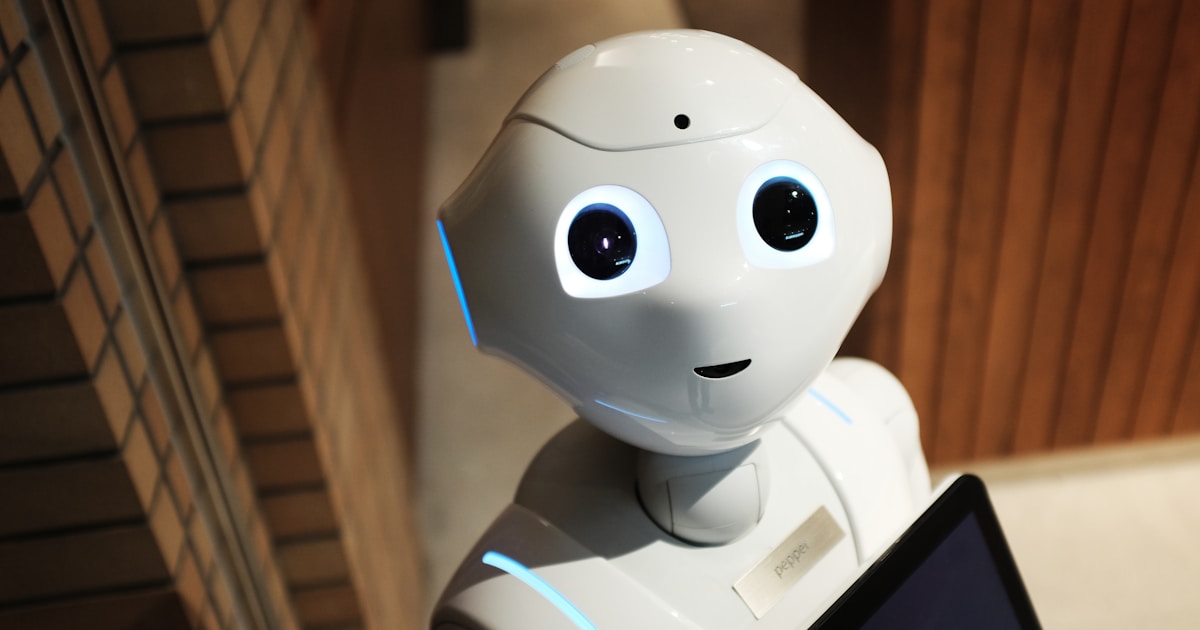 Beginner Robotics Kits for Kids Ages 6-14
 How Is Paper Made for Kids? STEM Experiments & Eco Lessons
 Kitchen Science Experiments for Curious Kids
 Are You Smarter Than a 5th Grader? STEM Truth (2026)
Math for Work: Practical Numeracy for Career Success
 Who Is the Smartest Kid in the World? (2026)
 Math Games That Kids Actually Enjoy