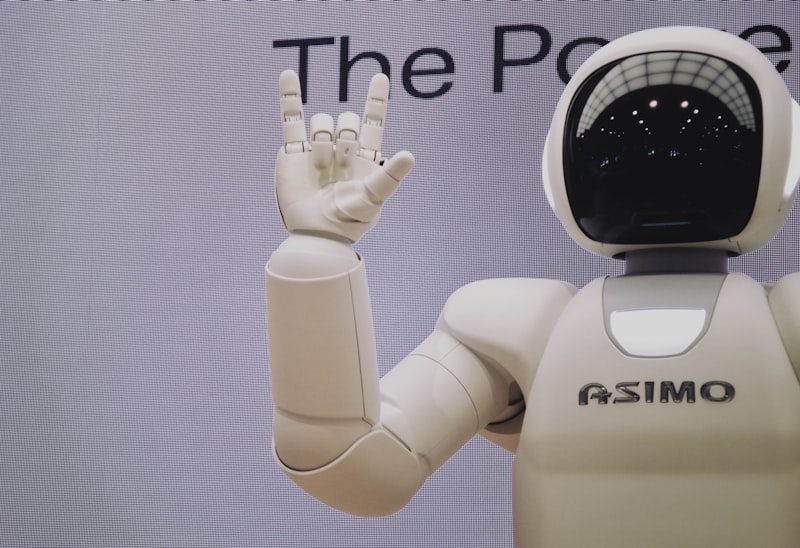
Robotics for Kids: Build & Program Beginner Robots
The World of Robotics Opens Doors to STEM
Robotics combines engineering, coding, mathematics, and creativity into one incredibly engaging activity. When children build and program robots, they develop systems thinking, persistence through debugging, and the confidence that comes from making something tangible work. Here's your complete guide to getting started.
Understanding What Makes a Robot
Every robot has three essential components: sensors (to perceive the environment), a processor (to make decisions), and actuators (to take action). Help children identify these components in everyday devices — a toaster has a temperature sensor, a timer processor, and heating elements as actuators.
Starting Without Electronics
Before buying any kits, explore robotics concepts with simple materials:
- Bristlebot: Attach a vibrating motor to a toothbrush head. The bristles create movement — discuss how vibration creates locomotion
- Cardboard Automata: Build mechanical figures that move when you turn a crank using cardboard, skewers, and cams
- Hydraulic Arm: Use syringes and tubing filled with water to create a functional robotic arm that picks up objects
- Paper Circuits: Use copper tape and LED lights to create simple circuits on paper before moving to complex electronics
Best Beginner Robot Kits
- LEGO Education SPIKE (Ages 6+): Combines familiar LEGO building with programmable motors and sensors. Visual coding app makes programming accessible
- Makeblock mBot (Ages 8+): Affordable robot car that teaches electronics and programming. Scratch-based coding progresses to Arduino C++
- Sphero BOLT (Ages 8+): Programmable robot ball with LED matrix and sensors. Great for learning through creative challenges
- Micro:bit Projects (Ages 8+): Versatile microcontroller with built-in sensors. Endless project possibilities from wearables to robots
Programming Your First Robot
Start with simple commands: move forward, turn, stop. Progress to sensor-based decisions: if the distance sensor reads less than 10cm, turn right. Introduce loops for repeated actions and variables for tracking state. Each new concept builds on the last.
Robotics Challenges and Competitions
Set exciting challenges that motivate learning:
- Line-following robot that stays on a taped path
- Sumo bot that pushes opponents out of a ring
- Maze-solving robot that navigates to find the exit
- Dance robot that moves in a choreographed sequence
- Delivery robot that transports objects between points
Career Connections
Show children how robotics connects to real careers: medical robots that perform surgery, Mars rovers exploring other planets, drones delivering packages, and robotic prosthetics helping people. This gives purpose to their learning and inspires long-term engagement with STEM fields.
More Articles
 How to Make a Volcano for Kids: Stress-Free STEM Guide
 MIT Admission Secrets: What Really Matters in 2026
 How to Talk About Ice With Kids (2026)
 Is Anaconda for Kids? A Teacher-Tested Guide
 Scientific Method for Kids: Simple Steps & Activities
 Weather Experiments for Kids: Rain Cloud in a Jar
 Where to Watch Sid the Science Kid (2026)
 Sid the Science Kid Streaming & STEM Impact (2026)
 Math Board Games That Actually Teach
 Egg Drop Challenge: Complete STEM Guide