Fun Measurement Activities for Kids at Home 2026
Why Measurement Matters (and Why It’s Super Fun!)
Measurement isn’t just about rulers and scales—it’s how kids make sense of their world! From comparing who’s taller to figuring out how many cups fit in a pitcher, measurement builds foundational math thinking: estimation, comparison, unit iteration, and data reasoning. Best of all? It happens naturally during play—and you don’t need fancy tools to get started. In fact, the most powerful measurement learning happens when kids measure with purpose: baking cookies, building a fort, or even timing how long it takes to hop across the living room!
These activities align with early math standards (like Common Core and NCTM guidelines) and support growth in number sense, spatial reasoning, and problem-solving—all while sparking curiosity and confidence. Plus, they’re perfect for busy parents: low-prep, high-engagement, and adaptable for siblings of different ages.
5 Simple & Joyful Measurement Activities You Can Start Today
1. The Great Household Measuring Hunt (Ages 3–6)
Turn your home into a measurement playground! Give your child a soft tape measure, a piece of string, or even a strip of paper—and challenge them to find things that are:
- Shorter than your hand (e.g., a crayon, a spoon)
- Taller than a cereal box (e.g., the fridge, the bookshelf)
- About as long as your foot (e.g., a toy car, a notebook)
Parent tip: Use nonstandard units first (hands, feet, blocks) to build conceptual understanding before introducing inches or centimeters. Ask open-ended questions like, “How many blocks long is the couch?” or “What’s another way we could check?”
Safety note: Supervise closely near stairs, tall furniture, or fragile items. Swap rulers for flexible measuring tapes or yarn for little hands.
2. Kitchen Lab: Baking by the Numbers (Ages 4–9)
There’s no better place to learn volume, weight, and fractions than the kitchen! Try these tasty, teachable moments:
- “Fill & Compare” Challenge: Let kids pour water or dry beans between clear containers (measuring cups, mason jars, yogurt tubs). Ask: “Which holds more? How can we test it?”
- “Halfway Hero” Activity: Double or halve a simple recipe together (“We need 2 cups of flour—how many ½-cup scoops is that?”).
- Weighing Wonders: Use a kitchen scale to compare weights: “Is an apple heavier than 5 grapes? How many strawberries equal one banana?”
Parent tip: Label measuring tools with stickers or color-coded dots for visual support. Celebrate “math mistakes” (“Oops—we added too much cinnamon! Let’s figure out how to fix it together.”).
Safety note: Always supervise near hot stoves, sharp tools, and electrical appliances. Assign age-appropriate tasks: stirring > pouring > measuring > reading recipes.
3. Time-Teller Treasure Hunt (Ages 5–10)
Time is an abstract concept—but it becomes real when kids track their own routines! This activity builds sequencing, estimation, and analog/digital clock literacy.
- Create a “My Day Clock Chart”: Draw a simple clock face (or print one) and mark key times (wake-up, snack, bedtime). Have your child draw or paste pictures showing what they do at each time.
- Try “How Long Does It Take?”: Use a timer (phone or sand timer) to measure fun tasks—brushing teeth, jumping jacks, folding 5 socks. Record results on a chart and compare: “Was putting away toys faster yesterday?”
- Make a “Family Countdown Calendar” for upcoming events (a trip, a birthday, planting seeds)—cross off days together and talk about “days until…”
Parent tip: Connect time to familiar rhythms (“It’s been 3 songs since we started cleaning!”). For older kids, introduce elapsed time: “If movie night starts at 6:15 and lasts 1 hour 45 minutes, when does it end?”
Safety note: Keep timers and clocks within reach but away from small parts that could be choking hazards for toddlers. Avoid screen-based timers for under-2s; use visual timers (like Time Timer®) instead.
Pro Tips for Success (From a Teacher Who’s Been There!)
As an early childhood educator and parent of two, I’ve seen how small, joyful moments grow big math minds. Here’s what makes home measurement learning stick:
- Follow their curiosity—not the curriculum. If your 4-year-old wants to measure every stuffed animal in inches, go for it—even if it takes 20 minutes. That focus is gold for attention and persistence.
- Embrace “messy math.” Spilled rice, crooked tape measures, and mismatched units aren’t failures—they’re opportunities to notice, wonder, and refine.
- Use consistent, kid-friendly language. Say “longer/shorter,” “heavier/lighter,” “more/less,” and “before/after” often—and pair words with gestures (e.g., stretching arms wide for “longer”).
- Keep tools accessible. Store a “Math Basket” with measuring tapes, balance scales, timers, cups, and sticky notes in a low shelf. Rotate items weekly to keep it fresh!
- Connect to stories and songs. Read How Big Is a Foot? by Rolf Myller or sing “The Measurement Song” (to the tune of “The Wheels on the Bus”)—kids remember concepts through rhythm and rhyme!
And remember: You don’t need to be a math expert. You just need to be curious *with* your child. When you ask, “I wonder how many books tall the dog is?” or “Let’s guess how many spoons of pasta fit in this bowl,” you’re modeling mathematical thinking—and that’s the most powerful lesson of all.
So grab a tape measure, a bowl of blueberries, and a stopwatch—and let the measuring begin! These simple, joyful experiences don’t just build math skills—they build memories, confidence, and a lifelong love of asking, “How much? How far? How long? How many?” And in 2026 and beyond, that kind of thinking is pure magic.
More Articles
 Best Screen-Free Coding Toys for Ages 4–8
 Savanna Biome for Kids: Fun Facts & Activities
 Science Experiments Using Only Kitchen Items
 10 Simple Chemistry Experiments Kids Can Do at Home
 Craft Guide for K-12 Educators
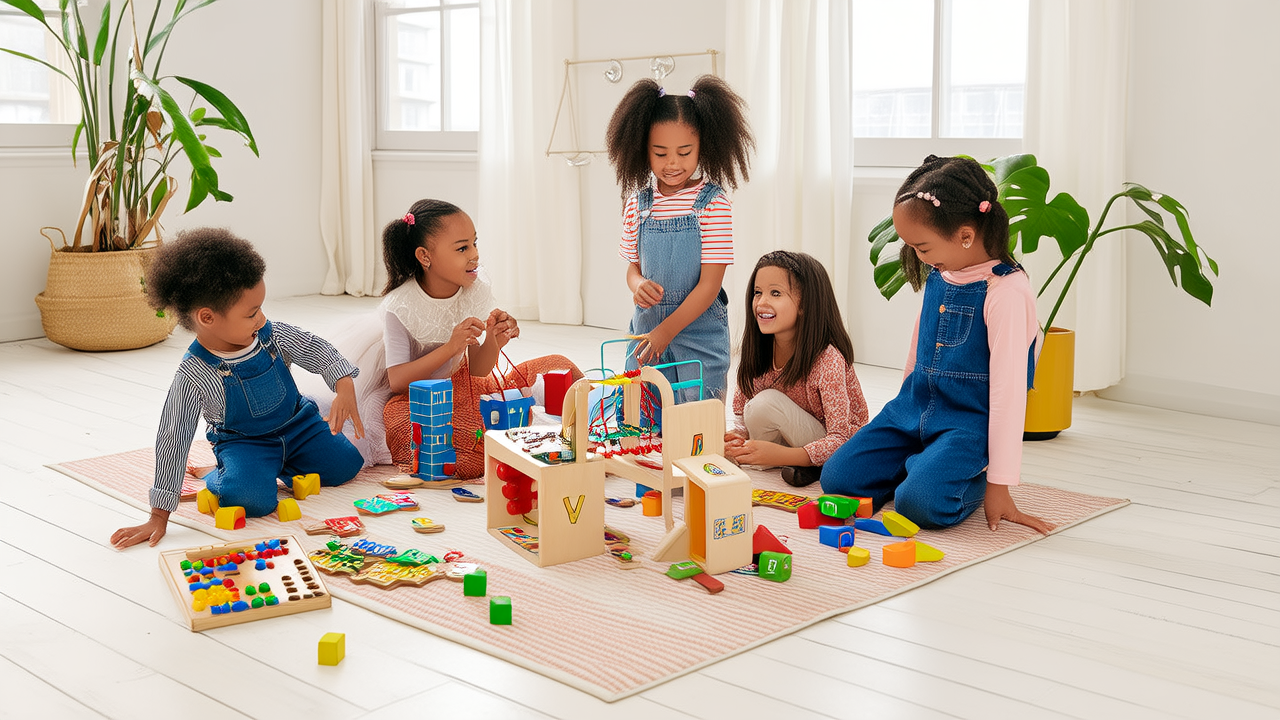 Teaching Kids Weather Science at Home
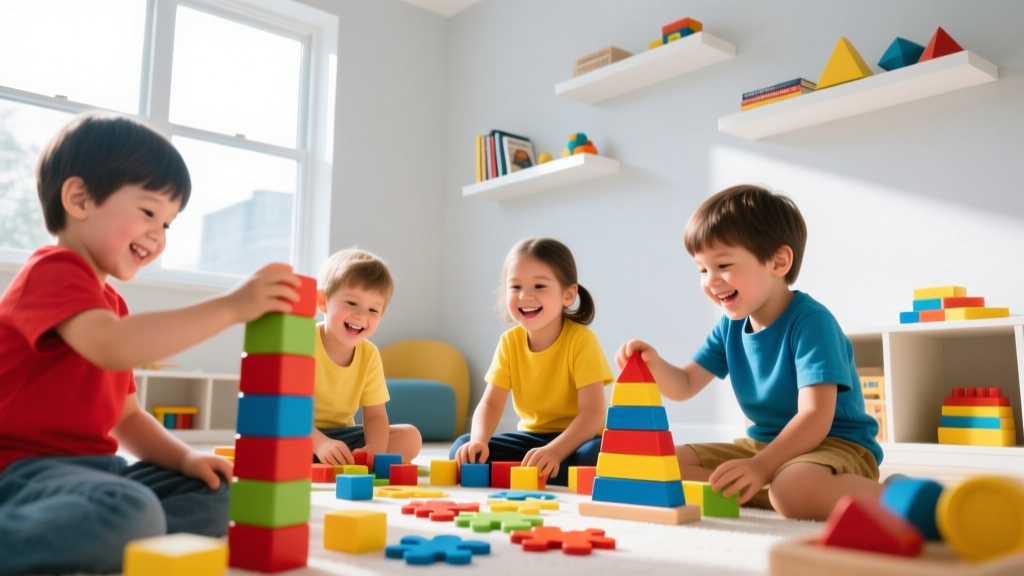 Best Robotics Kits for Beginners in 2026
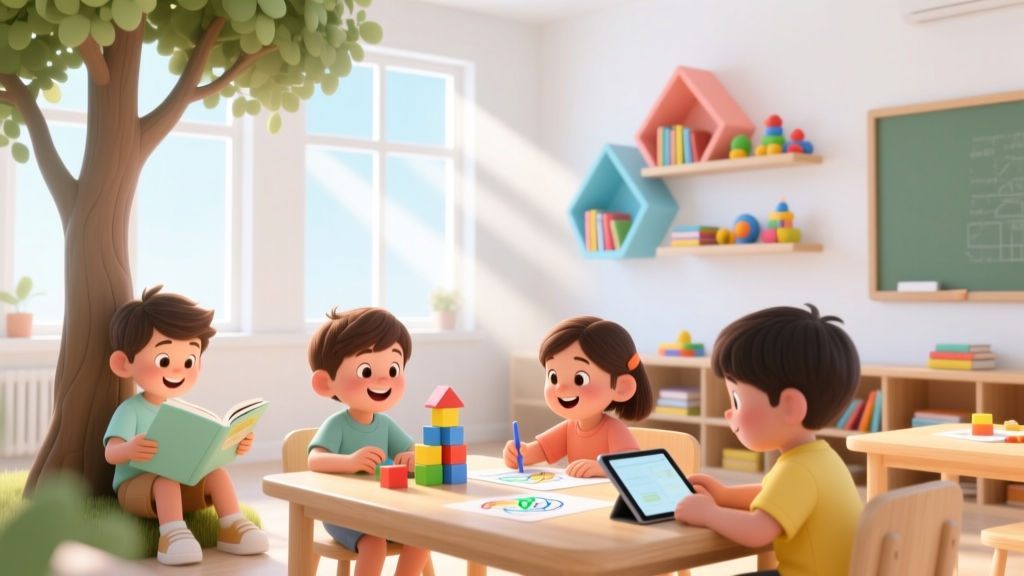 What Is a Scientist for Kids? (2026)
 Why Did the Kid Say 67? A STEM Teaching Moment