Best Water Play Activities for Toddlers in Summer 2026
Why Water Play Is Magic for Little Learners
Water play isn’t just about staying cool—it’s a powerhouse of early learning! For toddlers (ages 1–3), splashing, pouring, scooping, and floating builds fine motor skills, introduces early science concepts (like sink/float or full/empty), and supports language development as they name colors, textures, and actions (“pour,” “splash,” “bubble!”). It also calms busy bodies and encourages joyful sensory exploration—all while feeling like pure play.
Pro tip: Keep sessions short (15–25 minutes) and always pair water time with shade, hydration, and sunscreen—even on cloudy days. And remember: never leave a toddler unattended near water—ever—even inches deep.
Top 5 Safe & Super-Fun Water Activities for Toddlers
These activities are designed with little hands, curious minds, and safety first in mind. All use everyday items you likely already have—or can grab for under $10!
1. The Mini Splash Tub Sensory Station
Fill a clean, shallow plastic tub (12–18 inches wide, no higher than your toddler’s waist when seated) with 2–3 inches of lukewarm water. Add simple, safe props:
- Soft toys: Rubber ducks, squishy sea animals (check for choking hazards—no small parts that detach)
- Everyday tools: Measuring cups, plastic spoons, funnels, and silicone basters (great for squeezing and control practice)
- Textural surprises: Floating flower petals, large smooth river stones (washed and too big to swallow), or biodegradable glitter (optional & rinse-friendly)
Why it works: Encourages cause-and-effect thinking (“What happens if I pour here?”), strengthens hand muscles, and invites open-ended storytelling. Bonus: Use it indoors on hot days—just lay down a waterproof mat!
2. Color-Changing Ice Cube Adventure
Freeze water with food-safe liquid watercolors (or natural options like blueberry or turmeric juice) in silicone ice trays. Once frozen, pop out the colorful cubes and let your toddler explore melting magic on a tray or shallow bin.
- Provide paintbrushes for “water painting” on sidewalks or large paper
- Add droppers or turkey basters to transfer melted color
- Count cubes together: “One red cube… two yellow cubes…”
Safety note: Always supervise closely—ice cubes can be slippery and cold-sensitive skin may need brief exposure at first. Start with 2–3 cubes and build up. Great for kids turning 2+ who enjoy focused, calm play.
3. Bubble Bonanza Bucket
No fancy machine needed! Mix 1 cup warm water + 2 tbsp gentle baby shampoo (no tears formula) + 1 tsp glycerin (optional, for longer-lasting bubbles). Pour into a low-sided bucket and add wands of all shapes—pipe cleaners bent into circles, plastic straws, slotted spoons, or even a fly swatter!
Let your toddler dip, wave, and chase bubbles in the breeze. Try blowing bubbles *together*—it builds breath control and social connection.
- Tip: Do this in grassy, shaded areas—bubbles last longer in cooler, humid air
- Wipe faces gently after play—some soaps may irritate sensitive skin
- Store leftover bubble solution in a sealed container for up to 3 days
4. Garden Hose “River Run” (Supervised & Low-Pressure)
Attach a spray nozzle set to “mist” or “shower” mode—and hold the hose yourself. Let your toddler stand barefoot on grass or pavement while you gently direct a soft stream across their arms, feet, or back.
This is NOT about spraying them unexpectedly—but about shared, rhythmic, sensory-rich interaction. Sing a song (“Here comes the water, splash-splash-splash!”) and pause often to watch droplets roll off their skin.
- Ages 18+ months love this best—earlier toddlers may find it overstimulating
- Never point the hose upward or directly at faces/ears
- Always check water temperature first—sun-warmed hoses can get hot!
5. DIY Water Wall on the Fence or Patio Door
Create vertical water fun using a dollar-store shower caddy, mesh bag, or even a repurposed plastic colander mounted securely at toddler height. Hang it on a fence, patio door (with permission!), or outdoor play structure. Fill with cups, sponges, and small pitchers.
Toddlers love pouring water from the top and watching it cascade down through channels and holes. Add floating letters or numbers for pre-literacy fun—or drop in rainbow-colored pom-poms to “rescue” with tongs!
Pro setup tip: Place a large towel or kiddie pool underneath to catch runoff. Works beautifully in small spaces—even balconies with proper supervision.
Safety First, Fun Always: Essential Tips for Parents
Water play should feel carefree—for you and your child. Here’s how to keep it that way:
- Constant visual supervision: Sit within arm’s reach—not on your phone, not reading, not multitasking. Drowning is silent and fast, even in inches of water.
- Check surfaces: Ensure play areas are slip-resistant. A rubber-backed rug or textured outdoor mat helps prevent falls.
- Hydration & sun protection: Offer water every 15 minutes—even if they’re playing *in* water. Reapply broad-spectrum SPF 30+ every 2 hours (or after toweling off).
- Know your gear: Avoid inflatable “floaties” or arm bands—they’re not life-saving devices and give false security. If using a pool, install a four-sided fence with self-latching gate.
- End on a high note: Watch for signs of overstimulation (rubbing eyes, turning away, fussing) and wrap up before meltdowns happen. A cool washcloth and quiet story make a perfect cooldown.
And one more gentle reminder: It’s okay if your toddler isn’t “into” water right away. Some kids need time to observe, touch, or just sit beside the tub. Follow their lead—and celebrate every tiny splash, scoop, or giggle as a win.
This summer, you don’t need a backyard oasis or a fancy kit to create wonder. You just need water, curiosity, and presence. So grab a cup, fill it up, and let the joyful learning flow—one splash at a time. 🌊✨
More Articles
 Outdoor Experiments & Crafts for Kids (2026)
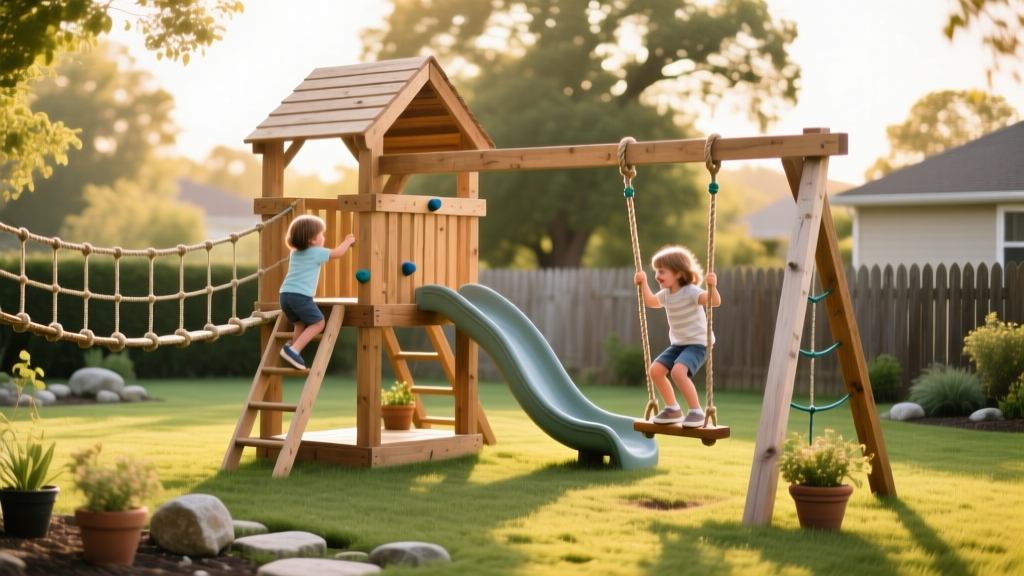 Build a Backyard Adventure Playground on a Budget
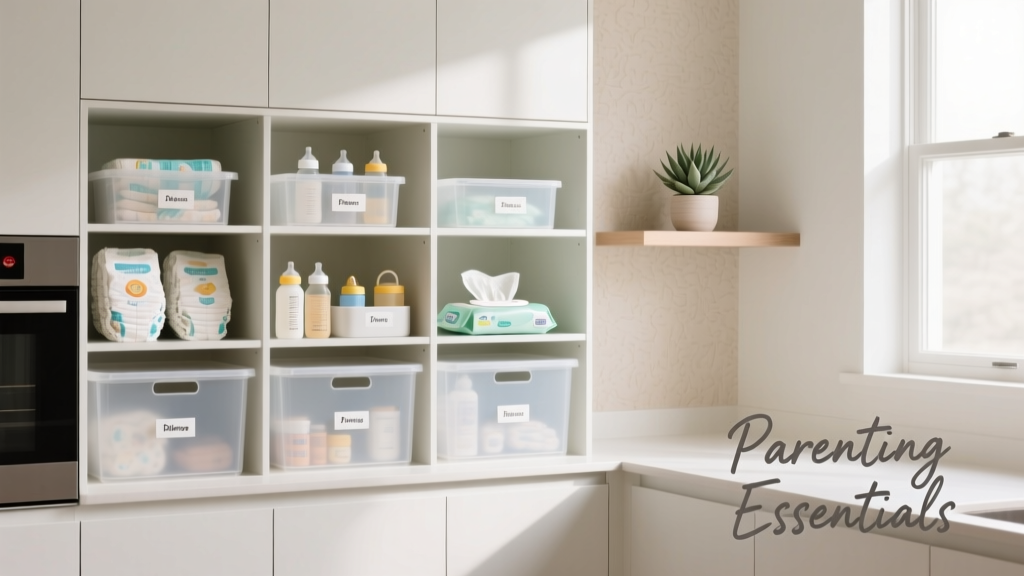 Outdoor-Ready Parenting Storage Ideas
 Truth Trends 2026: Outdoor Living & Landscape Design Shifts
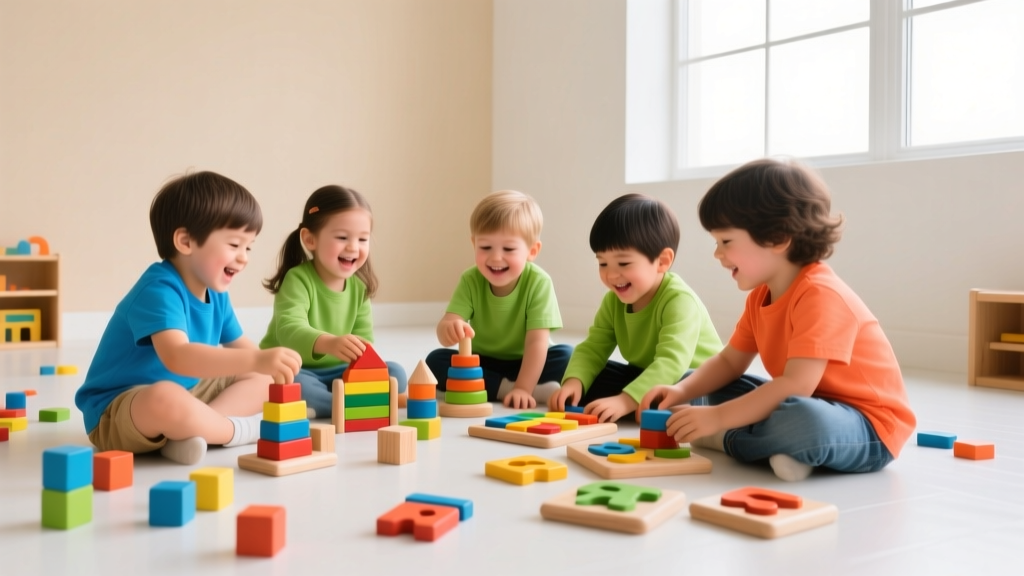 Nature Walk Activities for the Whole Family
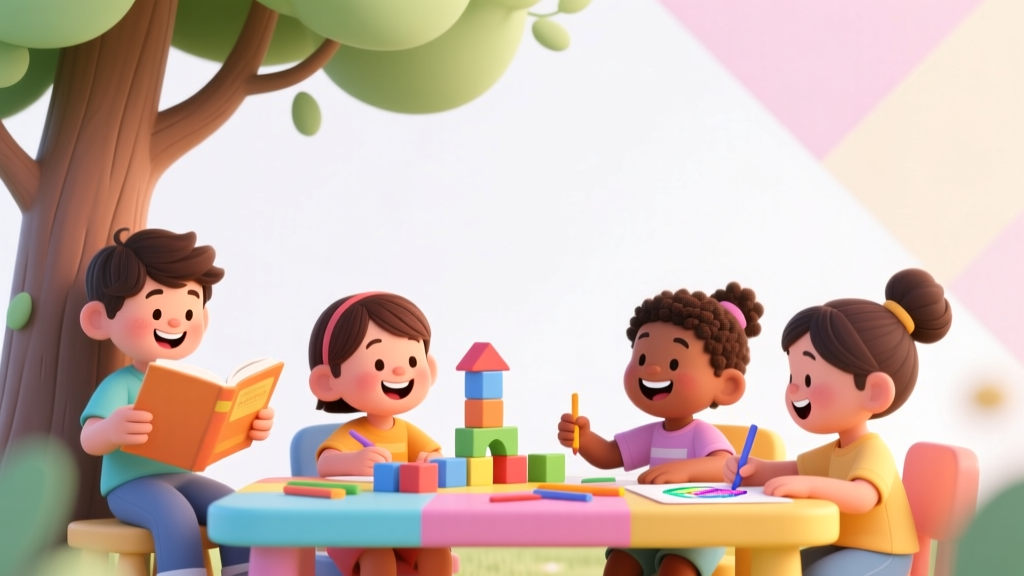 What to Do in Colorado with Kids: Outdoor Adventures
 Kids Gardening: A Fun Starter Guide (2026)
Build a Kid-Friendly Garden from Scratch
 Nature Scavenger Hunt Ideas for Kids
 Can-Am Kids Four Wheeler Safety Guide (2026)