Build a Kid-Friendly Garden from Scratch
Start with Safety and Layout
Before breaking ground, assess your space for hazards. Remove broken glass, sharp rocks, or toxic plants like foxglove or oleander. Install a 36-inch-tall cedar or vinyl fence (e.g., North States Superyard Classic) to keep toddlers contained. For kids under 5, avoid water features deeper than 2 inches—opt instead for a shallow, non-slip Little Tikes Splash Pad (max depth: 0.5 inch). Position the garden in full sun (6+ hours daily) but include a shaded zone using a Sunjoy 10x10 ft Pop-Up Canopy anchored with sandbags.
Choose Age-Appropriate Zones
- Ages 2–4: A sensory circle (4-ft diameter) with lamb’s ear (Stachys byzantina), scented geraniums (Pelargonium citrosum), and smooth river stones.
- Ages 5–8: A “grow-your-own” raised bed (12-in high, 4x4 ft) built with untreated cedar (Home Depot 2x6x8 ft cedar boards). Fill with Miracle-Gro Nature’s Care Organic Raised Bed Soil.
- Ages 9–12: A mini tool shed (e.g., Keter Factor 7x5 ft Storage Shed) stocked with child-sized tools: Fiskars Kids Pruning Snips (ages 6+), Radius Ergo D-handle Trowel (ages 8+), and Gardener’s Supply Company Bamboo Rake (lightweight, no sharp tines).
Select Safe, Engaging Plants
Avoid thorny, sticky, or toxic species. Prioritize fast-growing, tactile, and edible varieties. All recommended plants are non-toxic per the ASPCA and University of California Poison Plant Database.
Top 5 Kid-Approved Plants
- ‘Sugar Snap’ peas (Pisum sativum): Climbs trellises quickly; ready in 60 days. Use Botanical Interests organic seed packets. Safe for ages 3+ (supervise chewing pods).
- ‘Jelly Bean’ tomatoes (Solanum lycopersicum): Cherry-type, disease-resistant, sweet flavor. Start seeds indoors 6 weeks before last frost using Burpee Seed Starting Kit. Harvest at age 4+ with help.
- ‘Lemon Gem’ marigolds (Tagetes tenuifolia): Edible petals, citrus scent, blooms in 45 days. Plant seeds directly in soil (no thinning needed). Safe for all ages—including tasting.
- ‘Burgundy’ amaranth (Amaranthus cruentus): Vibrant red foliage, drought-tolerant, grows 3–4 ft tall. Seeds from Johnny’s Selected Seeds. Leaves are edible (age 6+) and fun to rub between fingers.
- ‘Cinderella’ pumpkins (Cucurbita maxima): Compact vines, 8–10 lb fruit, perfect for carving. Plant after soil hits 70°F. Use Seed Needs organic pumpkin seeds. Best for ages 5+ with adult support for vine training.
Plant spacing matters: Keep paths at least 24 inches wide for strollers and wheelbarrows. Use U-shaped plastic edging (Home Depot brand) to define beds—no sharp corners or exposed nails.
Build Hands-On Features
Kids learn through doing—not watching. Include features they can touch, move, and care for daily.
Three Must-Have Elements
- Worm compost bin: Use a Uncle Jim’s Worm Farm Junior Kit (12x8x6 in, holds 1 lb worms). Teach ages 6+ to feed scraps (no meat/dairy) and harvest castings. Place on bricks for airflow and cover with burlap to block light.
- Bug hotel: Stack hollow bamboo stems, pine cones, and drilled hardwood blocks inside a WoodBlocX Bug Hotel Kit. Mount 18 inches off ground. Encourage observation with Learning Resources Primary Science Magnifier (3x power, shatterproof lens).
- Chalkboard plant markers: Paint reclaimed wood squares with ECOS Chalkboard Paint (non-toxic, zero-VOC). Let kids label rows and draw growth charts. Wipe clean with damp cloth.
Tool Up Safely
Children’s tools must fit small hands and eliminate pinch points. Avoid adult tools—even “kid-sized” ones from discount stores often lack safety testing.
- Ages 2–3: Green Toys Garden Set (recycled plastic, no metal parts, BPA-free). Includes rake, trowel, and watering can (0.5 qt capacity).
- Ages 4–6: Radius Ergo Garden Tool Set (soft-grip handles, rounded tips, stainless steel heads). Includes cultivator, transplanter, and weeder.
- Ages 7–12: Fiskars Steel Handle Youth Tools (forged steel, rubberized grips, 2-year warranty). Pair with Carhartt Kids Garden Gloves (size S/M)—tested for thorn resistance and dexterity.
Store tools in a lockable shed or wall-mounted rack (Gardener’s Supply Co. Cedar Wall Rack) out of toddler reach. Label each slot with a photo + word for pre-readers.
Water Wisely and Watch for Pests
Kids love watering—but overwatering kills seedlings. Use a Orbit 2-Gallon Watering Can with Rose Nozzle (gentle spray, ergonomic handle). Teach ages 5+ the “finger test”: stick index finger 1 inch into soil—if dry, water; if damp, wait.
For pests, skip synthetic sprays. Try these proven, kid-safe options:
- Aphids: Spray with Safer Brand Insecticidal Soap Ready-to-Use (safe once dry, 24-hour re-entry).
- Slugs: Place Sluggo Plus (iron phosphate + spinosad) in shallow lids—out of reach of children and pets.
- Caterpillars: Hand-pick daily at dawn (use gloves) or apply Bacillus thuringiensis var. kurstaki (Btk) like Bonide Thuricide—organic, targets only moth/butterfly larvae.
Never use neem oil on plants kids will eat raw (like lettuce or strawberries)—it’s bitter and may cause stomach upset. Stick to soap sprays or hand removal for those crops.
Maintain Momentum with Routines
Consistency builds confidence. Assign simple, repeatable tasks:
- Every morning (ages 3+): Check the rain gauge (AcuRite 00782A2) and water if under 0.1 inch.
- Twice weekly (ages 5+): Pull 3 weeds using Radius Ergo Weeder; place in compost bin.
- Weekly (ages 7+): Sketch one plant in a Moleskine Kids Sketchbook, noting height, leaves, and bugs seen.
End each session with a harvest snack: cherry tomatoes, snap peas, or marigold petals sprinkled on yogurt. Keep a laminated checklist (Laminator: Fellowes Saturn3i) on the shed door for visual tracking.
Final Safety Checklist
- ✅ All soil tested for lead (use LeadCheck Swabs or lab-test via TestAmerica)—safe level: <50 ppm.
- ✅ No mulch made from recycled tires (contains heavy metals); use shredded hardwood or cocoa bean hulls (Perfect Choice Cocoa Mulch—not for dogs, but safe for kids).
- ✅ Fencing gates have self-closing hinges and latch above 42 inches (e.g., Master Lock 1500D with 3-digit combo).
- ✅ First-aid kit mounted near shed: includes Band-Aid Brand Tough Strips, antiseptic wipes (CVS Alcohol-Free Wipes), and burn gel (Water-Jel Burn Dressing).
Start small—a single 4x4 ft bed and one sensory plant. Expand as your child’s interest grows. The goal isn’t perfection. It’s dirt under fingernails, a sun-warmed tomato plucked straight from the vine, and the quiet pride in a job done together.
More Articles
 How to Build a Kid-Friendly Treehouse
 2026 Outdoor Scavenger Hunt Ideas for Families
 Best Kids’ Bikes for Ages 5–10 in 2026
 2026’s Top Water Play Activities for Kids
 What to Do in Alaska with Kids (2026)
 Why Recess Is Essential Brain Infrastructure
 What to Do in Hocking Hills with Kids (2026)
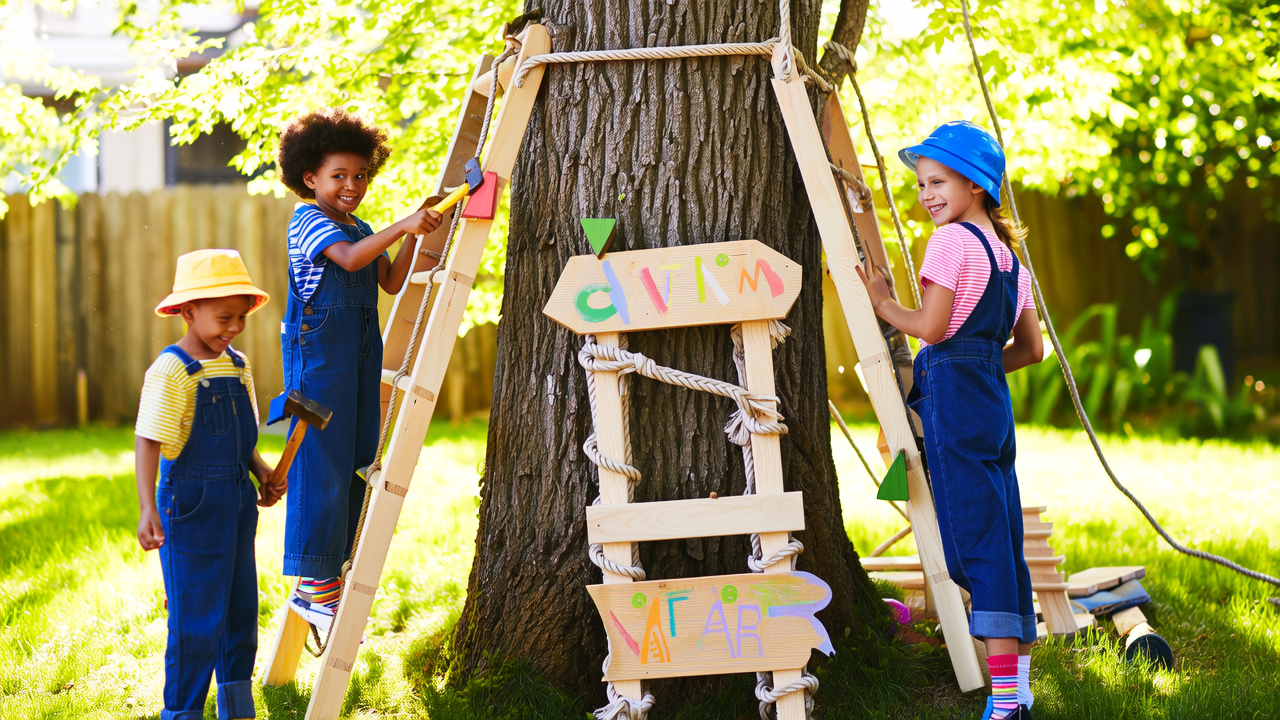 Building a Tree Fort With Kids: Safe Guide
 Outdoor Play Safety Tips for Kids (2026)
 Where A Kid Can Be A Kid (2026)