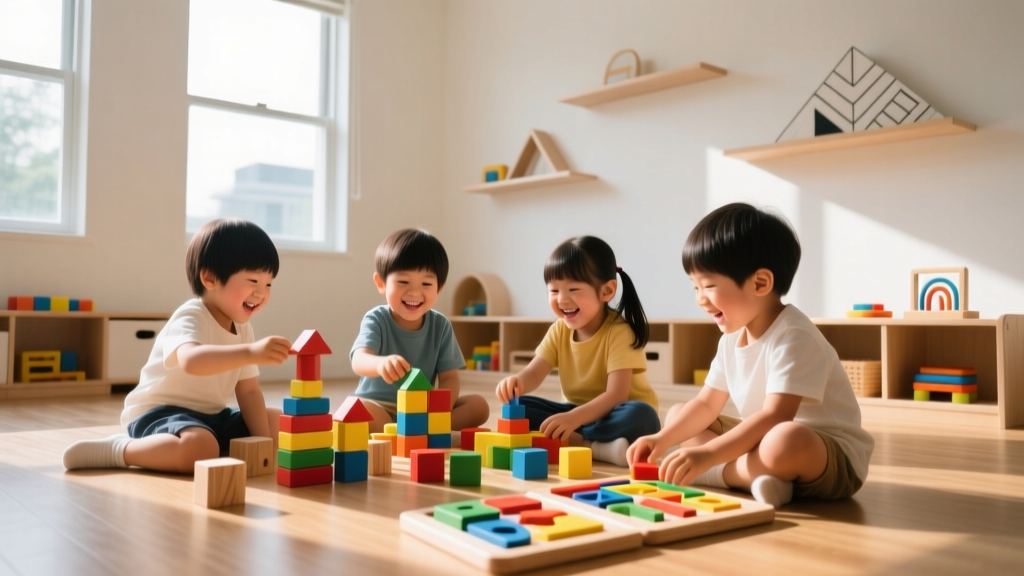
Outdoor Sensory Activities for Toddlers (2026)
Sensory play is how toddlers learn about the world. The outdoors provides the richest sensory environment: varied textures, temperatures, sounds, and smells. These 18 activities are designed to be messy, engaging, and developmentally powerful.
The Science of Sensory Play
Toddler brains form over 1 million new neural connections every second. Sensory experiences directly stimulate this neural growth by activating multiple brain regions simultaneously.
The five key sensory systems toddlers develop through outdoor play:
- Tactile: Touch — textures, temperatures, pressures
- Vestibular: Balance and movement — swinging, spinning, climbing
- Proprioceptive: Body awareness — pushing, pulling, lifting
- Auditory: Sound — nature sounds, music, cause-effect noises
- Visual: Light, color, shadow, movement tracking
18 Outdoor Sensory Activities
1. Mud Kitchen (Ages 1-4)
Set up old pots, pans, spoons, and containers with a mud patch. Add water for different consistencies. Toddlers "cook" mud pies, soups, and cakes. This combines tactile exploration with imaginative play.
2. Texture Walk (Ages 1-3)
Create a barefoot path with different surfaces: soft grass, smooth pebbles, squishy mud, dry leaves, wet sand, bubble wrap. Hold toddler's hand as they explore each texture. Name each feeling.
3. Ice Excavation (Ages 2-4)
Freeze small toys in blocks of ice. Give toddlers spray bottles of warm water, salt shakers, and toy hammers to excavate. Combines temperature, texture, and cause-effect learning.
Safety and Cleanup
- Supervise all activities — toddlers explore by mouthing objects
- Use non-toxic, food-grade materials whenever possible
- Have a cleanup station: wet wipes, towel, change of clothes
- Do activities on grass or concrete for easy cleanup
- Watch for allergic reactions to natural materials
More Articles
 Treehouse for Kids: Budget-Safe Steps (2026)
10 Outdoor Science Experiments for Kids
 Kids Bike Safety: A Parent's Quick Guide
 Is Rubber Mulch Safe for Kids? (2026)
 Creative Outdoor Activities for Rainy Days Kids Will Love
 How Long Can Kids Play Outside in Cold Weather (2026)
Sandbox Play Ideas for Motor Skills Development 2026
 Family Bike Trail Tips With Kids
 Best Backyard Treehouse Designs: 10 DIY Plans for Kids
 Best Kids’ Bikes for Ages 5–10 in 2026