
Kids Bike Safety: A Parent's Quick Guide
The Foundation: A Properly Fitted Helmet
A helmet reduces the risk of head injury by up to 85%. But only if it fits correctly. The helmet should sit level on your child's head, about two finger-widths above the eyebrows. The straps should form a "V" under each ear and the chin strap should be snug enough that you can fit only one finger underneath.
Age-Appropriate Riding Guidelines
Ages 3-5: Balance Bikes and Training Wheels
At this age, kids should ride on flat, car-free surfaces like driveways or park paths. Always accompany them and keep within arm's reach on slopes.
Ages 6-9: Supervised Street Awareness
Kids can start learning basic road rules but should never ride near traffic without an adult. Teach them to stop at every driveway and look both ways.
Ages 10-12: Building Independence
Older kids can ride on sidewalks and bike paths independently if they demonstrate consistent safety habits. Set clear boundaries about where they can ride.
Essential Safety Equipment
- Bright or reflective clothing
- Front and rear lights (even for daytime riding)
- Bell or horn
- Closed-toe shoes (never flip-flops)
- Knee and elbow pads for younger riders
Teaching Road Rules Early
Start with the basics: ride on the right side, use hand signals, and always stop at stop signs. Practice these rules together until they become automatic habits.
More Articles
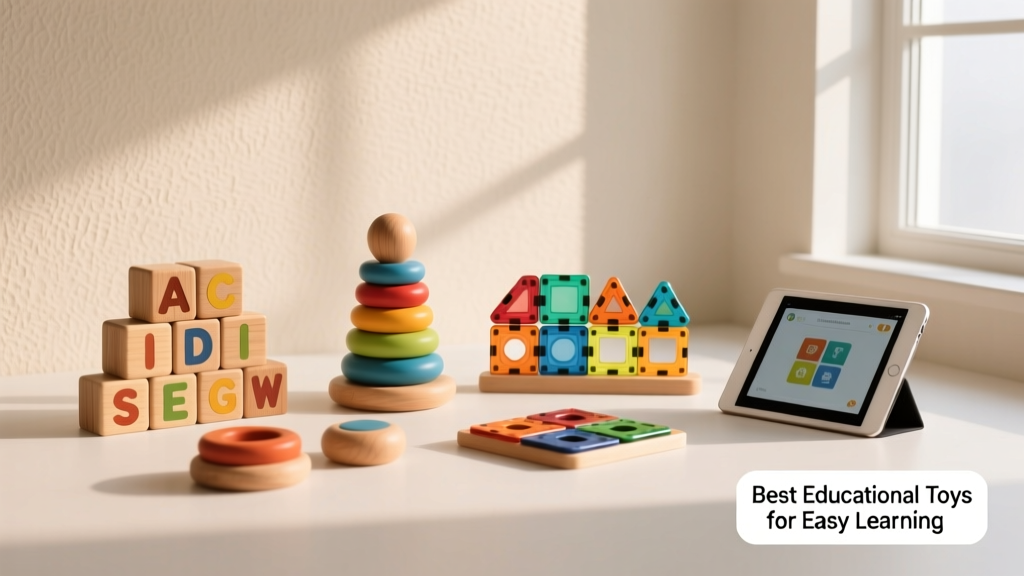 Best Outdoor Educational Toys for Skill Development
 A Kid at Heart Playland Photos: How to Capture Viral Magic
 Build an Outdoor Reading Nook for Kids
 Backyard Obstacle Course Ideas Kids Love
 Adult Playgrounds: Stress Reduction Science (2026)
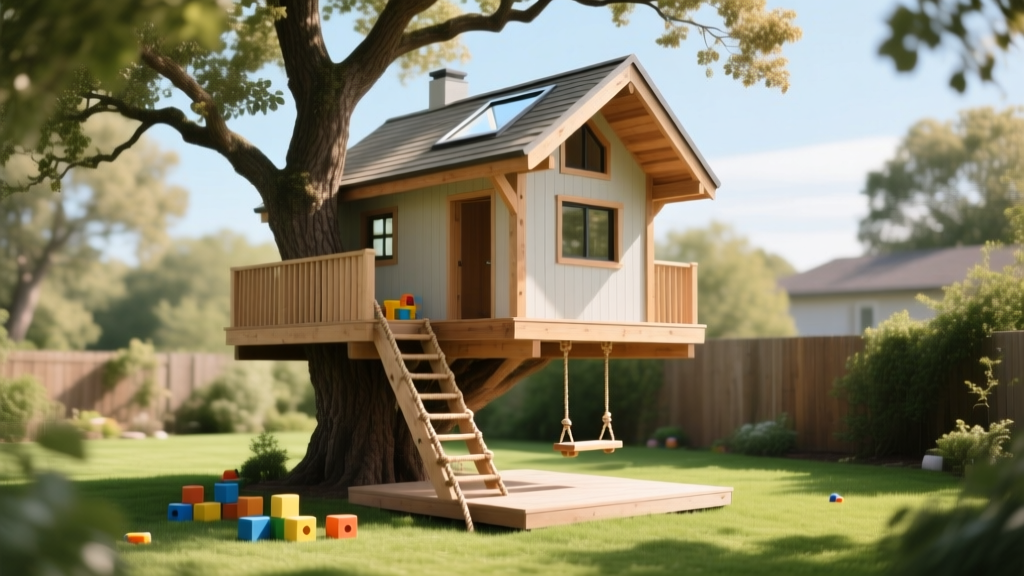 Best Treehouse Designs for Kids: 12 Backyard Ideas (2026)
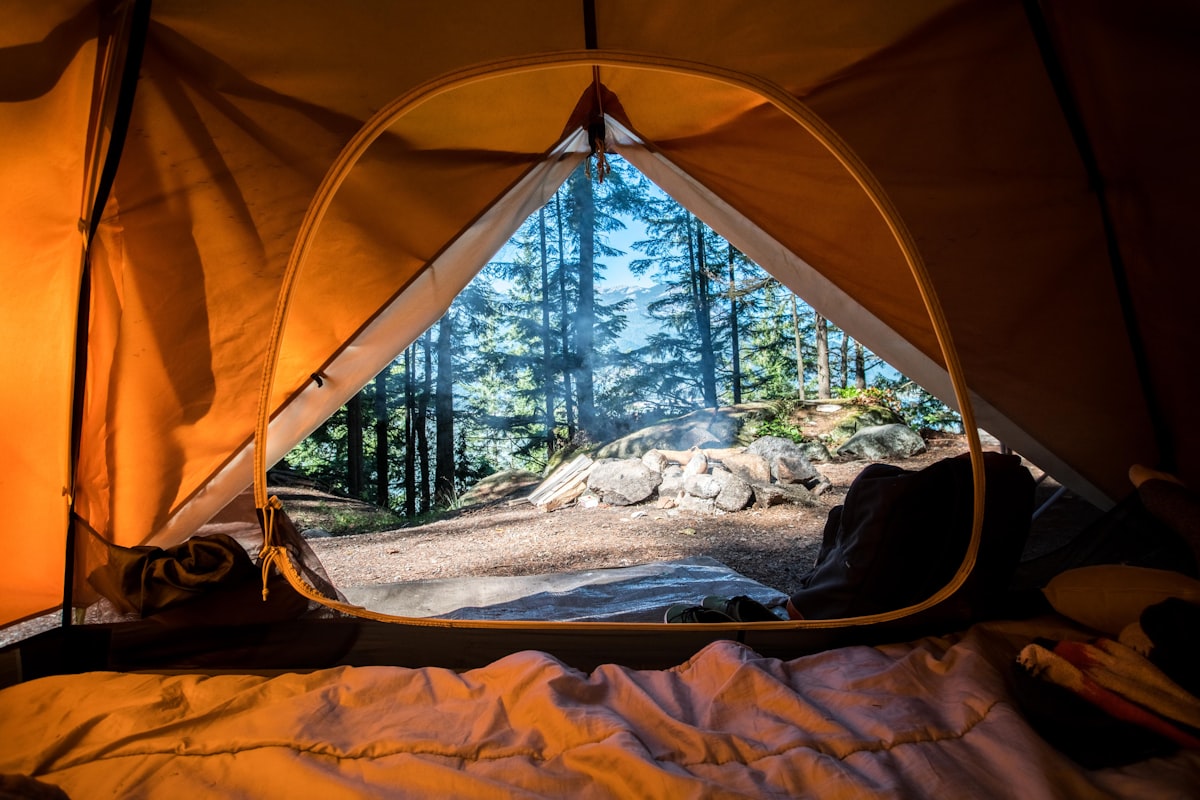 Family Camping with Toddlers: Complete Checklist
 Heelys Kids Safety Guide: Pediatrician-Reviewed (2026)
 Outdoor Play for Kids: Safe, Inclusive & Developmental
 Camping Games for Kids: Zero Equipment Needed