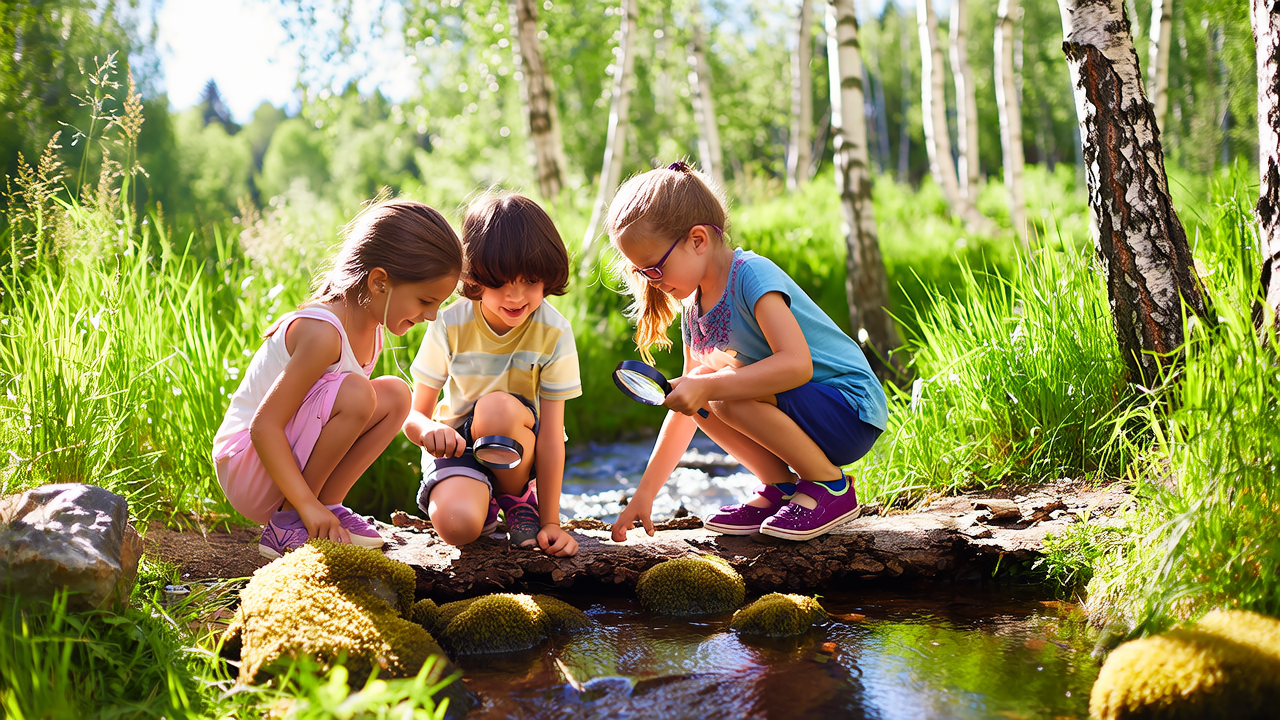
Nature Play Spaces: Design Tips for Families
The Nature Play Movement
Natural play environments increase creativity, reduce stress, and promote longer play sessions compared to plastic equipment.
Core Elements
1. Loose Parts Area
Sticks, pinecones, stones, bark. Loose parts encourage open-ended play where children invent games.
2. Digging Zone
Sand or soil area for excavation. Bury treasures and add toy construction equipment.
3. Climbing Elements
Logs at varying heights, boulder clusters, tree stump stepping stones. Builds balance and risk assessment.
4. Water Play Feature
A hand pump, rain barrel with spigot, or shallow creek bed. Even buckets satisfy toddlers.
5. Sensory Garden
Lavender (smell), lamb's ear (touch), sunflowers (sight), mint (taste). Include barefoot paths.
By Yard Size
- Small: Log bench, hanging plants, sand table in 100 sq ft
- Medium: Digging pit, climbing log, mud kitchen (300-500 sq ft)
- Large: Trails, fort areas, garden beds with kid involvement
Safety
Inspect materials for splinters and sharp edges. Match climbing heights to abilities. Supervise water features for young children.
More Articles
 Arts & Crafts Tools for Outdoor Garden Projects
 A Kid at Heart Playland Photos: How to Capture Viral Magic
 Do Kids Need a Fishing License in Indiana? (2026)
 Kids Ski Size Guide: Right Length, Width & Flex (2026)
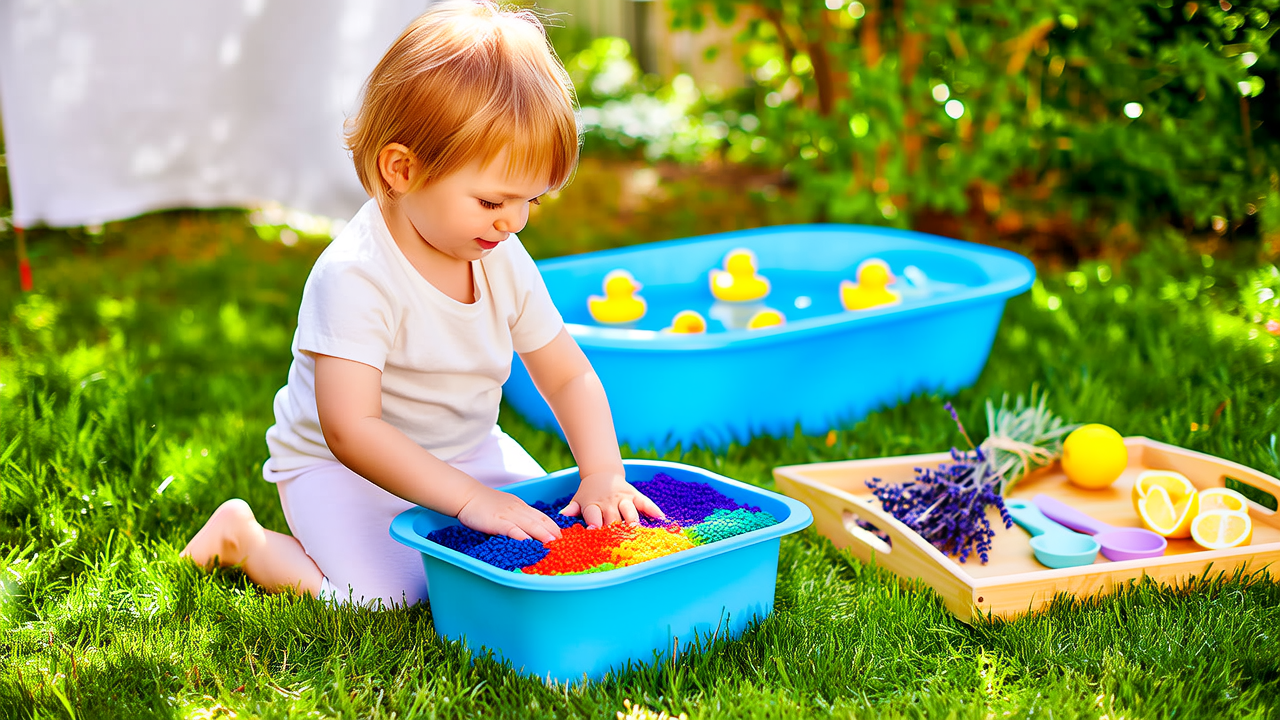 15 Outdoor Sensory Activities for Toddlers
 Outdoor Privacy Solutions for 2024 Living Spaces
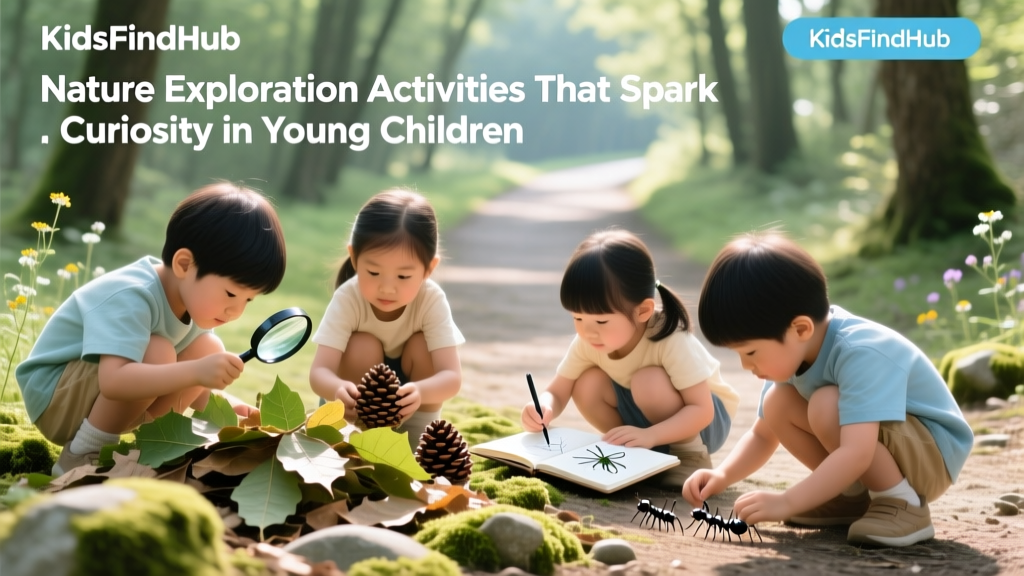 Nature Exploration Activities for Young Kids
 Backyard Obstacle Course for Kids
 Kid-Friendly Small-Space Garden Ideas
 Backyard Camping Games for Families