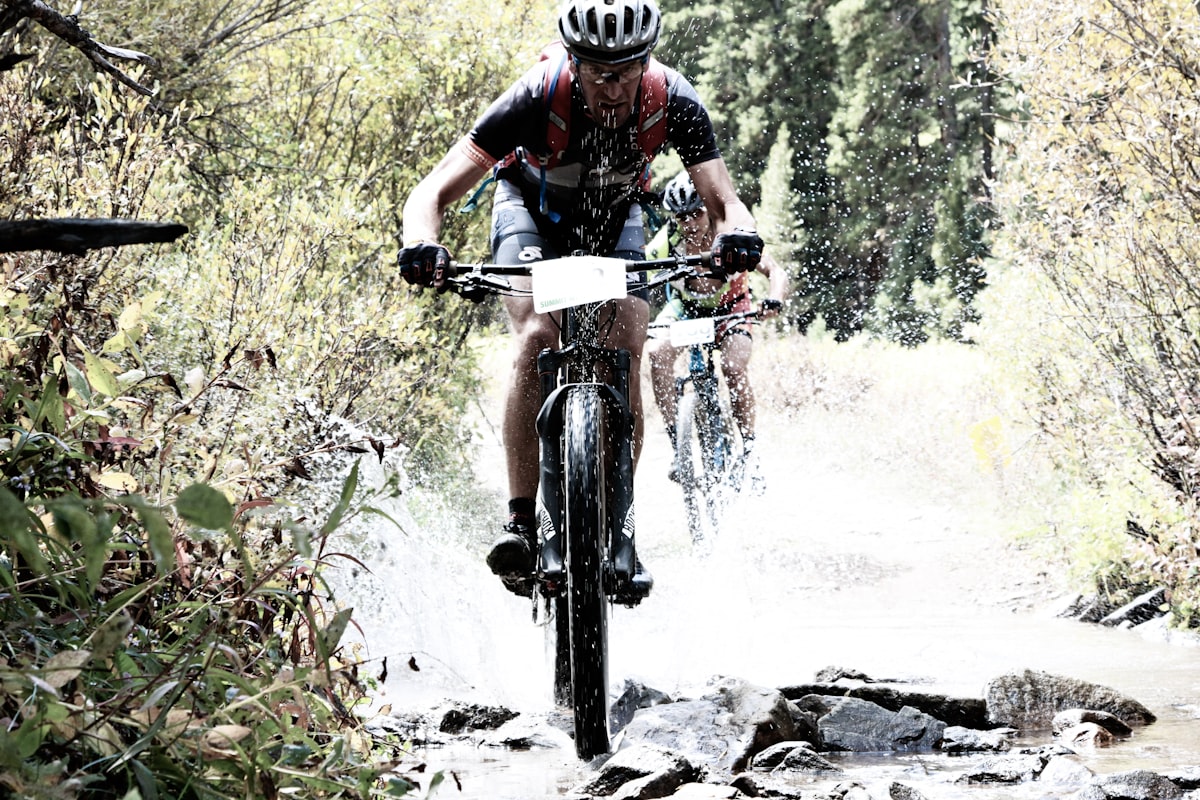
Kids Mountain Biking: 15 Beginner Trails & Safety Tips
Kids Mountain Biking: 15 Best Beginner Trails & Safety Checklist (2026)
Mountain biking builds balance, coordination, and confidence in ways that few other sports can match. Studies from the International Mountain Bicycling Association show that children who start trail riding before age 10 develop significantly better proprioception and spatial awareness than their peers.
Why Mountain Biking for Kids?
Unlike road cycling, mountain biking engages the whole body and mind simultaneously. Children must constantly read terrain, adjust speed, and make split-second decisions — skills that transfer directly to classroom performance and social situations.
- Physical development: Full-body workout engaging core, legs, and upper body
- Cognitive benefits: Rapid decision-making improves processing speed
- Emotional resilience: Falling and getting back up builds grit
- Family bonding: Shared outdoor adventure creates lasting memories
Essential Safety Gear Checklist
| Gear | Why It Matters | What to Look For |
|---|---|---|
| Helmet (CPSC certified) | Head injury prevention | Proper fit, MIPS technology preferred |
| Gloves | Grip and hand protection | Padded palms, breathable material |
| Knee/elbow pads | Joint protection on falls | Flexible, stay in place during movement |
| Closed-toe shoes | Foot protection and pedal grip | Flat sole, no loose laces |
| Eye protection | Branch and debris defense | Shatterproof, UV protection |
Trail Selection: Matching Difficulty to Skill Level
Green Circle (Easy): Ages 5-8
Flat to gently rolling terrain, wide paths (4+ feet), minimal obstacles. Look for paved rail-trails or smooth dirt paths. Maximum distance: 3-5 miles with frequent rest stops.
Blue Square (Moderate): Ages 8-12
Moderate climbs and descents, some rocks and roots, narrower singletrack. Kids should be comfortable with braking and shifting before attempting these. Maximum distance: 5-10 miles.
Black Diamond (Advanced): Ages 12+
Steep terrain, technical obstacles, narrow paths. Only for experienced young riders with proper coaching. Always ride with an adult on advanced trails.
Teaching Progression: From Training Wheels to Singletrack
The key to success is progressive skill building. Don't rush — each stage should feel comfortable before moving on.
- Stage 1 (Ages 3-5): Balance bike on flat grass — no pedals needed
- Stage 2 (Ages 5-7): Pedal bike on paved paths — focus on braking and steering
- Stage 3 (Ages 7-9): Smooth dirt paths — introduce gentle hills and turns
- Stage 4 (Ages 9-12): Easy singletrack — teach gear shifting and body position
- Stage 5 (Ages 12+): Moderate trails — develop technical skills and endurance
Frequently Asked Questions
What size bike should my child ride on trails?
The child should be able to stand over the top tube with both feet flat on the ground. For mountain biking, slightly smaller frames offer better control. Visit a bike shop for a proper fitting.
Should kids ride full-suspension or hardtail?
For beginners, a hardtail (front suspension only) is lighter, simpler, and teaches better technique. Full-suspension bikes add weight and complexity that can overwhelm young riders.
Final Thoughts
The goal isn't to create elite mountain bikers — it's to develop confident, capable kids who love being outdoors. Keep rides fun, celebrate small victories, and remember that walking the bike up a scary hill is perfectly acceptable. The trails will still be there when they're ready.
More Articles
 How to Build a Kid-Friendly Treehouse
 Best Outdoor Toys for Preschoolers: 2026 Expert-Tested Picks
 How to Wear Shin Guards Kids: 5-Step Fit Guide
 Family Bike Riding Safety Tips
 What Kids Learn at the Park: Hidden Developmental Milestones
 Is Rubber Mulch Safe for Kids? (2026)
 Backyard Obstacle Course Ideas Kids Love
Kid-Friendly Garden Projects That Teach
Backyard Obstacle Course Ideas Kids Love
Kid-Friendly Garden Projects That Teach
 Build a Kid-Friendly Garden Adventure Space
 Cheap vs Premium Outdoor Play: What Educators Really Pay For