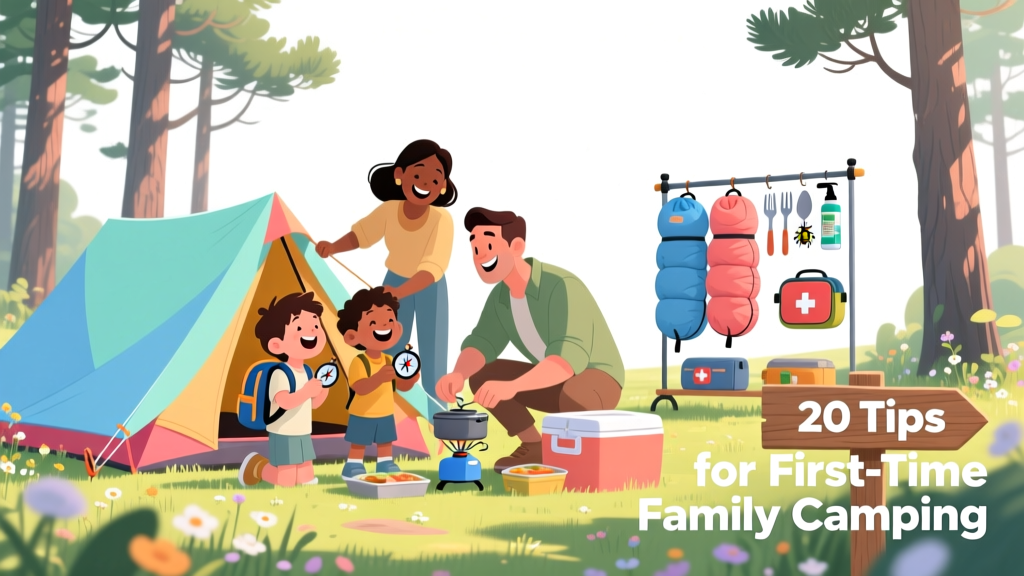
How to Plan a Family Camping Trip with Young Kids (2026)
Why Family Camping Matters
A 2023 study from the National Wildlife Federation found that children who camp at least once a year show 25% higher scores in environmental literacy and report stronger family bonds. Camping removes screens, forces cooperation, and creates shared stories.
- Nature connection: Direct experience with wildlife, weather, and darkness
- Resilience building: Adapting to discomfort builds grit
- Family cohesion: Shared tasks and unstructured time strengthen relationships
- Physical activity: Hiking, swimming, gathering firewood — constant movement
Pre-Trip Planning Checklist
Choosing the Right Campground
For families with kids under 6, prioritize:
- Drive-up sites: No hiking to your campsite — you'll be hauling gear and possibly carrying a sleeping child
- Restroom facilities: Flush toilets and running water reduce stress significantly
- Cell service: For your first trips, having connectivity provides peace of mind
- Nearby water: A lake, creek, or beach keeps kids entertained for hours
- Short drive: Under 3 hours from home — long car rides + camping = meltdown territory
Gear Essentials (Budget-Friendly)
| Item | Budget Option | Why It Matters |
|---|---|---|
| Tent | 4-person dome ($60-80) | Room to spread out; kids move in sleep |
| Sleeping bags | 30°F rated bags ($25 each) | Even summer nights get cold |
| Sleeping pads | Foam pads ($15 each) | Ground insulation + comfort |
| Camp chairs | Folding kids' chairs ($20) | Home base for meals and stories |
| Headlamps | LED headlamps ($10 each) | Hands-free for nighttime bathroom trips |
10 Kid-Friendly Camping Activities
1. Nature Scavenger Hunt
Create a picture-based list (leaf, smooth rock, feather, pinecone). Kids explore the area checking items off.
2. Campfire Cooking
Let kids assemble their own foil packets: hot dogs, potatoes, butter, seasoning. Cook on coals for 20 minutes.
3. Stargazing
Download a free constellation app. Lie on blankets and identify stars. Kids love finding the Big Dipper.
4. Storytelling Circle
Take turns making up stories. Start with "Once upon a time in this very forest..." and let each person add a sentence.
5. Bug Safari
Bring a magnifying glass and a field guide. Turn over rocks and logs to find beetles, worms, and millipedes.
6. Rock Painting
Bring washable paint. Kids decorate rocks and leave them along the trail for other campers to find.
7. Shadow Puppets
Use headlamps and the tent wall. Teach classic shapes: dog, bird, butterfly.
8. Fishing (Catch and Release)
Simple rod with a bobber. Even if nothing bites, the patience and quiet time is valuable.
9. Trail Games
Play "I Spy," count specific colors, or race to the next landmark on hikes.
10. Campsite Fort Building
Use fallen branches (never break live trees) to build a shelter. Great for imaginative play.
Meal Planning for Young Campers
The golden rule: pack foods kids already eat. Camping is not the time to introduce new vegetables.
- Breakfast: Instant oatmeal packets, pre-made pancakes to reheat, fruit
- Lunch: Sandwiches (pre-made), crackers, cheese sticks, apples
- Dinner: Foil packets, hot dogs, mac and cheese (cook on camp stove)
- Snacks: Trail mix, granola bars, dried fruit, crackers — pack 3x what you think
- Drinks: Water bottles (one per child, refillable), juice boxes
Safety Checklist
⚠️ Camping Safety with Kids
- Set clear boundaries — show kids the edges of your campsite
- Establish a "camp whistle" — 3 blasts means come back immediately
- Keep a first-aid kit with children's medications
- Store food in bear-proof containers or your car
- Check for ticks every evening
- Bring glow sticks for nighttime visibility
More Articles
 Sprinkler Games for Summer: 12 Ways to Cool Off
 12 Kid-Friendly Hiking Trails for Families
 A Kid at Heart Playland Photos: How to Capture Viral Magic
 Nature Scavenger Hunt Ideas for Kids
 Florida Kids Fishing License: Age Rules & Free Options
Nature Crafts Using Leaves: 7 Ideas
Florida Kids Fishing License: Age Rules & Free Options
Nature Crafts Using Leaves: 7 Ideas
 Easy Outdoor Science Experiments for Kids
 Kids Garden Projects: Beginner Guide
 Nature Walk Activities for the Whole Family
 Is Rubber Mulch Safe for Kids? (2026)