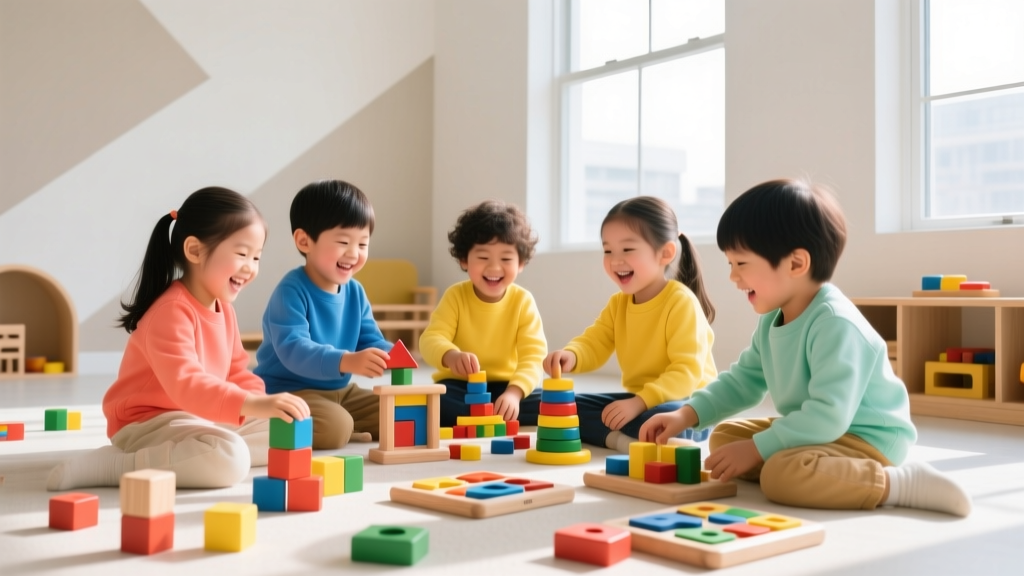
Indoor Treasure Hunt Ideas for Rainy Days
Why Indoor Treasure Hunts Shine on Rainy Afternoons
Rainy afternoons in 2026 don’t have to mean screen overload or restless energy. Indoor treasure hunts transform downtime into delightful discovery—boosting problem-solving, literacy, motor skills, and family connection. Unlike outdoor versions, indoor hunts are weatherproof, safe, and easily adaptable for toddlers through tweens. Best of all? You can set one up in under 15 minutes using supplies you already own. Whether your child is matching colors at age 2 or cracking riddles at age 11, a well-designed indoor hunt meets them where they are—turning soggy skies into sparkly moments of shared wonder.
Simple & Age-Appropriate Hunt Designs
One-size-fits-all doesn’t work for treasure hunts—and that’s good news! Tailoring clues and challenges to developmental stages keeps kids engaged (not frustrated) and builds confidence. Here’s how to adapt across ages:
Ages 2–4: Sensory Scavenger Hunt
Focus on movement, recognition, and tactile play—not reading. Use picture clues (printable icons or hand-drawn shapes), color-coded stickers, or textured objects.
- Clue example: “Find something soft and fuzzy!” → leads to the stuffed bear on the couch.
- Prop tip: Hide 3–5 items in plain sight (a red sock, a blue cup, a yellow block) and give verbal or visual prompts (“Point to the green toy!”).
- Prize idea: A mini ‘treasure bag’ with a sticker sheet, squishy ball, and a favorite snack.
Ages 5–8: Rhyme & Riddle Hunt
Kids this age love patterns, wordplay, and small adventures. Introduce simple rhyming clues tied to household locations.
- Clue example: “I hold your books and stand quite tall—look behind me for the next clue, not on the wall!” → leads to the bookshelf.
- Setup tip: Place each clue inside a small envelope taped to the location it describes. Use uppercase letters for early readers; add a tiny icon (e.g., 📚) for support.
- Pro move: Add a ‘mystery map’ drawn on scrap paper—let them trace their path with a glitter pen as they go.
Ages 9–12: Themed Mission Challenge
Tweens thrive on narrative, choice, and light competition. Turn the hunt into a story-driven mission—like decoding a spy message, recovering lost artifacts from a pirate ship (your living room), or solving a science lab mystery.
- Clue example: “Your next code is hidden where cold things hide—but not in the freezer! Check the place you open to grab a snack.” → leads to the pantry door (with clue taped inside the cabinet handle).
- Tool boost: Use UV pens for invisible ink clues (visible only under a $5 blacklight flashlight), or create a simple cipher wheel (A=1, B=2…) to decode a 3-letter word.
- Team option: Split siblings into ‘Red Team’ and ‘Blue Team’—same route, different clue formats (one gets puzzles, the other gets physical challenges like ‘do 5 jumping jacks before opening this envelope’).
Low-Prep Setup Tips That Actually Work
Forget complicated printables and last-minute shopping trips. These real-world-tested strategies keep setup joyful—not stressful:
- Use what’s already there: Clues can reference everyday objects—“Where do we hang wet towels?” (bathroom hook), “What spins when you press the button?” (ceiling fan switchplate).
- Repurpose school supplies: Index cards become clue cards; masking tape holds them securely; highlighters make answers pop. No laminator? No problem—just use cardstock or cereal box cardboard.
- Time-saver hack: Write all clues first, then walk your route *before* hiding anything. Note exact spots (e.g., “under third book on top shelf”) to avoid mid-hunt confusion.
- For multiple kids: Color-code clues (blue for Sam, green for Maya) so each follows their own trail—or design parallel paths that converge at the treasure chest.
- Rainy-day realism: If attention spans dip, cap the hunt at 5–7 clues. End with a ‘bonus round’: “Find something that starts with the same letter as your name!” for instant re-engagement.
And remember: the treasure doesn’t need to be expensive—it needs to feel earned. Try a ‘rainbow snack jar’ (layered fruit, yogurt, granola), a coupon booklet (“One hug on demand,” “Choose dinner tonight”), or a DIY ‘Adventure Pass’ granting access to a special activity later (e.g., fort-building hour with blanket permits).
Making It Meaningful (Beyond the Fun)
While giggles are guaranteed, intentional design turns play into growth. Here’s how to layer in subtle learning—without making it feel like homework:
- Literacy lift: For pre-readers, pair words with pictures; for fluent readers, include homophones (“flower” vs. “flour”) or syllable clapping (“What has two parts and bakes bread? cup-cake!”).
- Math moments: “Count the cushions on the sofa—your next number is double that!” or “Find the clock and tell me what time the short hand points to.”
- Social-emotional practice: Build in choices (“Would you like to solve the puzzle OR find the hidden object first?”) and celebrate effort: “You figured out that riddle all by yourself—that’s serious detective work!”
- Inclusive tweaks: For kids with mobility needs, keep all locations on one floor and replace ‘find’ with ‘identify’ (e.g., “Name three things you see on the kitchen counter”). For neurodivergent kids, preview the map and offer noise-canceling headphones if sensory input feels high.
Finally—debrief together. Over hot cocoa or apple slices, ask: “What clue was trickiest? What made you laugh? What would you add next time?” Their answers are gold for future hunts—and proof that rainy days, in 2026 and beyond, aren’t interruptions to childhood. They’re invitations to imagine, connect, and discover… right inside your own home.
More Articles
 What to Do Tomorrow with Kids: 7 Realistic Activities
 Who Played Kid President? Robby Novak’s Inspiring Story
 Would You Rather Questions Kids Love (2026)
 Child’s Hammer vs Carpenter’s: Toys and Tools Compared
 Best NYC Restaurants for Kids (2026)
 Best Building Shows for Kids: STEM Learning Through Play
 How to Teach a Kid to Roller Skate Safely (2026)
 Daytona Beach Kids Activities: Stress-Free & Budget-Friendly
 What to Do in Austin with Kids (2026)
 Kids Boot Camp Cost: Hidden Fees & Development Fit