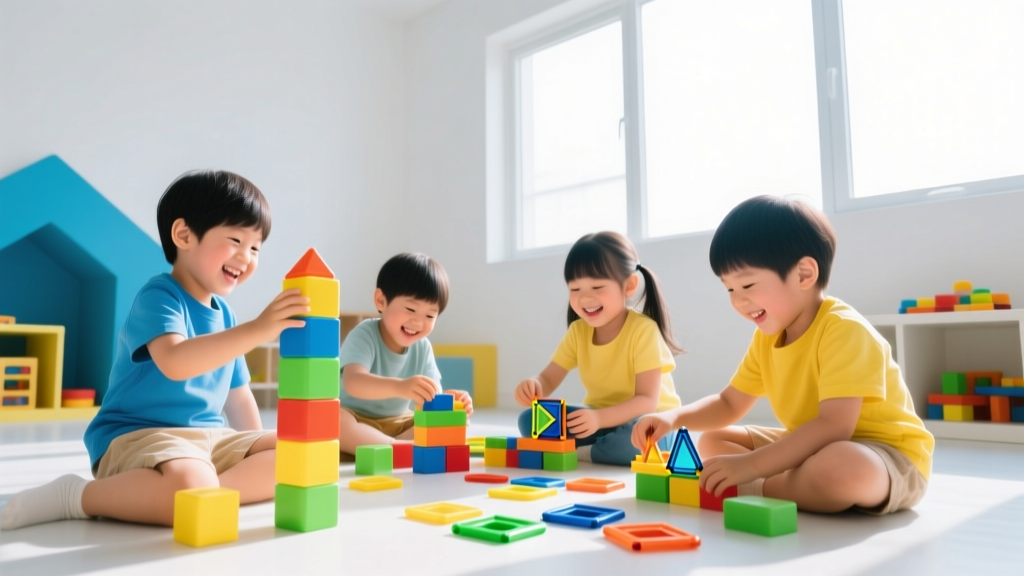
Indoor Fort Building Ideas for Kids
Why Indoor Fort Building Is More Than Just Play
Building forts indoors isn’t just a rainy-day distraction—it’s a powerful, play-based learning experience. For children aged 2 to 12, fort construction naturally nurtures spatial reasoning, engineering thinking, collaboration, storytelling, and emotional regulation. Whether your toddler drapes a blanket over a chair or your preteen designs a multi-room cardboard city, every step involves decision-making, trial-and-error, and creative problem-solving.
Gather Your Fort-Building Toolkit (No Special Skills Required!)
You don’t need fancy supplies—just everyday household items. Start with these versatile, safe, and accessible staples:
- Structural anchors: Sofas, chairs, coffee tables, ottomans, bookshelves (secured), or sturdy storage bins
- Coverings: Lightweight blankets, sheets, scarves, old curtains, or large pillowcases
- Connectors: Clothespins, binder clips, rubber bands, soft tape (masking or painter’s tape), or Velcro dots
- Decor & function: Pillows, stuffed animals, flashlights, battery-operated tea lights, clip-on book lights, small rugs, chalkboards, dry-erase markers, and laminated story prompts
- Upcycled builders: Clean cardboard boxes (cereal, shipping, moving), paper towel tubes, egg cartons, and pool noodles (cut lengthwise for flexible arches)
Safety first: Always supervise young children. Avoid heavy furniture that could tip, loose cords, or small parts for under-3s. Anchor tall structures to immovable furniture when possible—and never use duct tape on walls or woodwork.
Age-Appropriate Fort Ideas That Grow With Your Child
Toddler-Tuned Tiny Tents (Ages 2–4)
Keep it simple, sensory-rich, and safe. Focus on enclosure, texture, and gentle cause-and-effect.
- The Crawl-Through Tunnel: Line two low couches or storage bins with soft blankets; drape a sheet over the top and secure with clothespins. Add crinkle paper, soft balls, or fabric books inside.
- Blanket Burrow: Drape a large blanket over a single armchair or low table. Let your child help hold corners while you clip—building early motor planning and cooperation.
- Cardboard Cozy Cave: Cut one side out of a medium box (e.g., a diaper box), line with fleece, and prop open with rolled towels. Add a flashlight for “glow time.”
Explorer-Era Engineering (Ages 5–8)
This age loves testing limits—how high? How long? How many people fit? Lean into their curiosity with structural challenges.
- The Bridge & Tower Challenge: Use pool noodles as flexible beams between chairs, then lay cardboard “floors” across them. Ask: “What happens if we add one more noodle? What holds best—a stack of books or a folded towel?”
- Fort Blueprint Station: Give kids graph paper, crayons, and rulers. Before building, sketch a plan: “Where will the door go? How many windows? Where does the ‘secret passage’ start?” Then compare plan vs. reality—great for reflection and iteration.
- Weatherproofing Lab: Simulate rain with a spray bottle (outside the fort) and test coverings: Which stays driest—towel, quilt, or plastic tablecloth? Why? Introduce real-world physics concepts through play.
Preteen Innovation Hubs (Ages 9–12)
Older kids thrive on complexity, purpose, and personalization. Encourage them to design forts with function—study nooks, art studios, podcast booths, or mission control centers.
- The Modular Cardboard City: Cut and tape shipping boxes into interlocking rooms (bedroom, lab, library). Use chalkboard paint on one wall for brainstorming, or attach a mini whiteboard with removable adhesive.
- The Tech-Enhanced Hideout: Add Bluetooth speakers for ambient soundscapes, USB-powered LED string lights, or a tablet mounted on a tripod for digital storytelling or stop-motion animation.
- The Problem-Solving Pop-Up: Pose real challenges: “Design a fort that fits three people *and* a pet,” or “Build something that can be taken apart and rebuilt in under 5 minutes.” Invite them to document their process in a quick video or comic strip.
Spark Imagination & Deepen Learning
Forts become richer when layered with narrative and purpose. Try these low-effort, high-impact enhancements:
- Story Launchers: Tuck laminated cards inside with prompts like: “You’ve discovered a map to a hidden galaxy—what’s your first mission?” or “Your fort is now a time machine. What year do you visit—and what do you bring back?”
- Role-Play Kits: A small basket with props: a toy walkie-talkie, a “decoder ring” (paper cutout), a notebook labeled “Field Notes,” or a “passport” to stamp for each new fort location.
- Collaborative Rules Board: Hang a small chalkboard where kids co-create fort rules (“No jumping on pillows,” “All spies must whisper,” “Snack breaks happen at 3 p.m.”)—practicing negotiation and shared ownership.
Troubleshooting Common Fort Frustrations
Even the best builders hit snags. Here’s how to turn setbacks into teachable moments:
- “It keeps falling down!” → Reframe as R&D: Say, “Engineers test *lots* of versions before they get it right. Let’s try adding one more support—or using a heavier blanket on this side.”
- “I don’t know what to build!” → Offer themed sparks: “Would you rather build a deep-sea submarine, a moon base, or a treehouse in a cloud?” Let them choose—not you.
- Sibling standoffs: Assign complementary roles: “You’re Chief Architect—you decide the shape. You’re Materials Manager—you pick the fabrics and fasteners. You’re Story Director—you name it and write the first line.”
- Space limitations: Go vertical! Hang a sheet from a closet rod or ceiling hook (with adult help), use tension rods in doorways, or build a “fort-in-a-bag” using a large tote + blanket + clips for portable hideouts.
When the Fort Comes Down—The Learning Continues
Deconstruction is just as valuable as construction. Invite reflection:
- “What worked best—and why?”
- “What would you change next time?”
- “How did you solve [specific challenge]?”
- “Can we save any pieces for our next build?” (Teaches resourcefulness and planning)
Take a photo before dismantling—it becomes a visual portfolio of growth. Over time, you’ll notice stronger persistence, clearer communication, and joyful confidence in tackling open-ended problems.
Final Thought: Build More Than a Fort—Build Confidence
Every draped sheet, clipped corner, and cardboard corridor is a quiet act of trust—in your child’s ideas, abilities, and inner world. You don’t need perfection. You need presence, patience, and permission to play big. So grab a blanket, clear a corner, and let imagination take the blueprint. The strongest forts aren’t built from furniture—they’re built from curiosity, care, and the courage to try again.
More Articles
 Is Taekwondo Good for Kids? Evidence-Based Benefits
 What Does the Leprechaun Leave for Kids? (2026)
 Lunar New Year for Kids: Simple, Joyful Guide (2026)
 Wendy’s Kids Toys in 2026: Availability & Promos
 What Does 6 7 Mean to Kids? Brain-Building Power (2026)
 Kids' Birthday Activities: 7 Stress-Tested Ideas (2026)
 PBS Kids in 2026: Free Streaming & New Shows
 Indoor Treasure Hunt Ideas for Rainy Days
 The Legend of Ochi for Kids? Age Guide & Talk Tips
 Naples with Kids: Stress-Free Family Guide (2026)