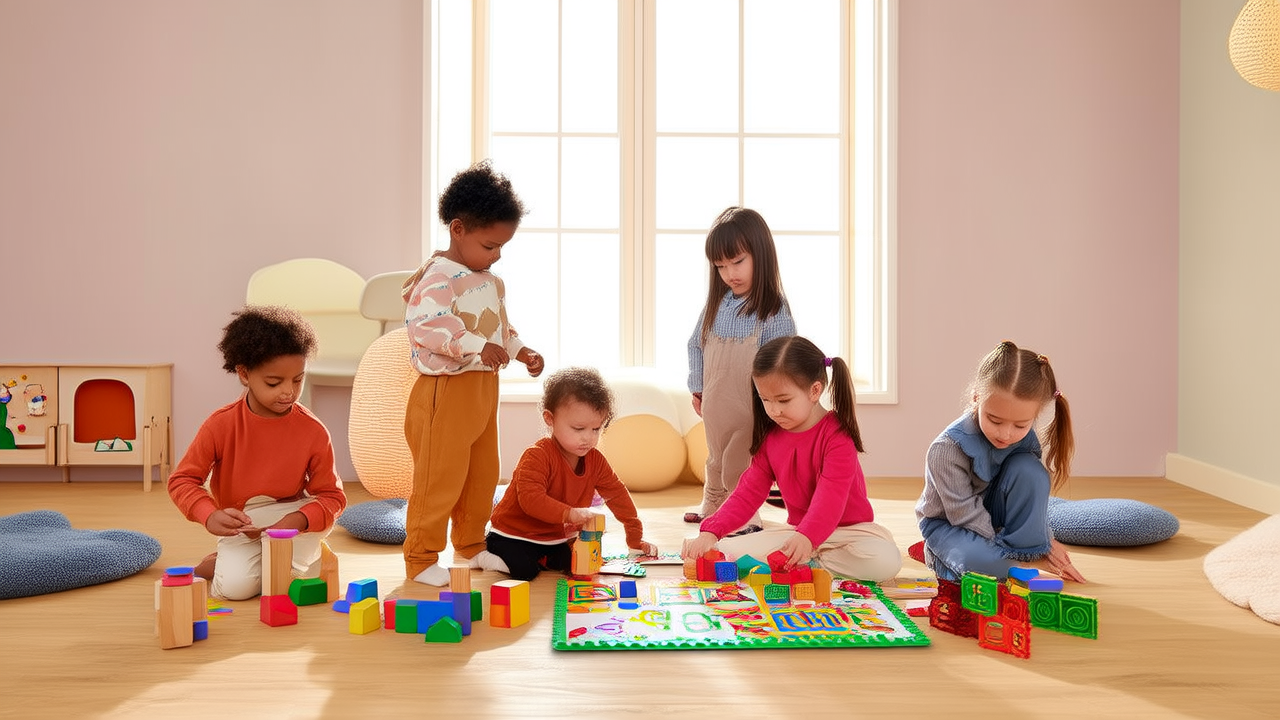
Calm Down Activities for Overstimulated Preschoolers 2026
Why Preschoolers Get Overstimulated (and Why It’s Totally Normal)
Have you ever watched your 3- or 4-year-old go from giggling at bubbles to full-on meltdown in under 60 seconds? It’s not defiance—it’s sensory overload! Preschoolers’ brains are still building their "volume control" for sights, sounds, touch, and emotions. With developing prefrontal cortices (the brain’s calming command center), big feelings + busy environments = overstimulation. This shows up as tantrums, clinginess, shutting down, covering ears, or even aggressive pushing.
The good news? Calm down activities aren’t about stopping big emotions—they’re about giving little bodies and minds simple, soothing tools to reset. And the best part? You don’t need fancy supplies or hours of prep. Just 2–5 minutes, consistency, and a warm, steady presence.
Top 7 Calm Down Activities for Ages 3–5
These strategies are chosen for safety, simplicity, and developmental fit. Always observe your child’s cues: if an activity increases distress (e.g., deep breathing feels scary), pause and try something else. Let’s explore:
1. The Cozy Corner Toolkit
Create a soft, low-sensory spot—no screens, no bright lights, just comfort. Think: a small rug, a weighted lap pad (5–10% of child’s body weight, *only with pediatrician approval*), noise-canceling headphones (for sound sensitivity), and a “feel-good box” with 3–4 tactile items:
- Soft spiky massage ball (great for gentle hand pressure)
- Felted wool cloud or smooth river stone
- Zippered fabric pouch with dried lavender or chamomile (scented items must be sealed & out of mouth reach)
- A laminated photo of your family smiling together
Tip: Practice using the corner during calm moments—not just meltdowns—so it feels like a safe harbor, not a time-out zone.
2. Breathing Buddies (No “Take a Deep Breath” Pressure!)
Asking a stressed preschooler to “breathe deeply” often backfires. Instead, make breath visible and playful:
- Feather Float: Hold a colorful feather. Challenge them: “Can you blow so softly the feather floats—not flies?” (Encourages slow exhalation.)
- Belly Buddy: Place a small stuffed animal on their tummy. “Make Mr. Bear go up and down like he’s riding waves!” (Builds awareness of diaphragmatic breathing.)
- Smell the Flower, Blow Out the Candle: Use real flowers (lavender or rose) and a pretend candle. Inhale slowly through the nose (smell!), then blow gently through pursed lips (blow!). Repeat 3x.
Safety note: Never force breathwork. If your child resists, skip to movement-based options below.
3. Sensory Reset Through Gentle Movement
Big energy needs safe release—and preschoolers thrive on rhythmic, predictable motion. These activities regulate the nervous system without over-arousing:
- Wall Push-Ups: Stand facing a wall, hands flat. Slowly bend elbows, then push back. Do 5 reps—great for proprioceptive input (deep pressure that calms).
- Animal Walks: “Be a sleepy sloth”—slow bear crawl across the rug. Or “tippy-toe flamingo” while holding one hand on your shoulder. Adds fun + grounding.
- Heavy Work Helper: Give a light job: “Can you carry these 3 books to the shelf?” or “Push this laundry basket across the floor.” Weight-bearing tasks signal safety to the brain.
✅ Age tip: Stick to 1–2 movements per session. Keep it under 90 seconds for maximum effectiveness.
4. The 3-Color Emotion Flash Cards
Preschoolers often lack the words for what they feel. Simple visual cards build emotional literacy *before* big moments hit:
- Green = I feel calm and ready (smiling sun icon)
- Yellow = I feel wiggly, worried, or frustrated (caution sign icon)
- Red = I feel too big—my body needs help now! (stop sign icon)
Use daily: “What color is your body feeling right now?” Praise noticing—even if they say “yellow” and keep playing. Later, pair colors with calm-down choices: “Yellow? Let’s do 2 feather floats!”
5. Warm & Cool Touch Swap
Temperature shifts gently reset the nervous system. Try these safe, supervised swaps:
- Hold a cool (not cold!) washcloth on the back of the neck for 10 seconds
- Wrap hands around a warm (not hot!) mug of water—just hold, no sipping
- Press palms together firmly for 5 seconds, then shake out fingers
Safety first: Always test temperature on your inner wrist first. Never use ice packs directly on skin or scalding liquids. Supervise closely.
6. Sing-Song Scripting
Repetition + melody = instant comfort. Use short, predictable phrases sung slowly:
“My feet are on the floor… my hands are by my side… my breath is soft and slow… and I am safe inside.”
Pair with gentle gestures: tap toes on “feet,” rest hands on thighs on “hands,” hand on belly on “breath.” Sing it once—or three times—until shoulders relax.
7. The “One-Minute Hug Hold”
Deep pressure + connection = powerful regulation. Sit side-by-side (not face-to-face, which can feel intense). Wrap one arm around their shoulders, rest your other hand on their knee. Say softly: “I’m here. We’re safe. Just for one minute.” Breathe naturally. No talking unless they initiate. Most kids settle within 45–60 seconds—and many melt into the hug.
When to Seek Extra Support
Calm down activities work beautifully for everyday overstimulation—but trust your gut. Reach out to your pediatrician or a pediatric occupational therapist if your child:
- Has frequent meltdowns lasting >20 minutes, multiple times daily
- Avoids common sensory experiences (e.g., refuses socks, covers ears at playground noise)
- Struggles to re-engage after calming (e.g., stays withdrawn for hours)
- Shows signs of physical exhaustion or regression (e.g., bedwetting, loss of speech)
Early support makes a huge difference—and it’s never “too much” to ask for help.
Final Tip: You’re the Calmest Tool in the Kit
Your steady voice, relaxed posture, and unhurried presence are more powerful than any glitter jar or breathing card. When your child is overwhelmed, take one slow breath yourself. Whisper: “We’ve got this.” Then offer choice—not control: “Would you like the feather or the bear buddy first?”
Remember: Calm isn’t the absence of big feelings—it’s the presence of safety, connection, and simple tools. You’re not fixing your child. You’re helping them discover their own inner calm—one gentle, joyful, loving moment at a time.
More Articles
 May Activities for Kids: Science-Backed & Budget-Friendly
 What to Do with Kids in Montreal (2026)
 Santa Phone Number for Kids: 7 Free & Safe Lines (2026)
 When Does Karate Kid Legends Take Place? (2026)
 Scavenger Hunt for Kids: Simple, Research-Backed Guide
 Long Island Kids Activities: 27 Parent-Tested Picks (2026)
 Where to Stay in Nashville with Kids (2026)
 What Kids Like to Do: 12 Evidence-Based Play Patterns
 Lexington KY with Kids: 17 Stress-Free Activities (2026)
 Easy Dinosaur Drawing for Kids: Step-by-Step Guide