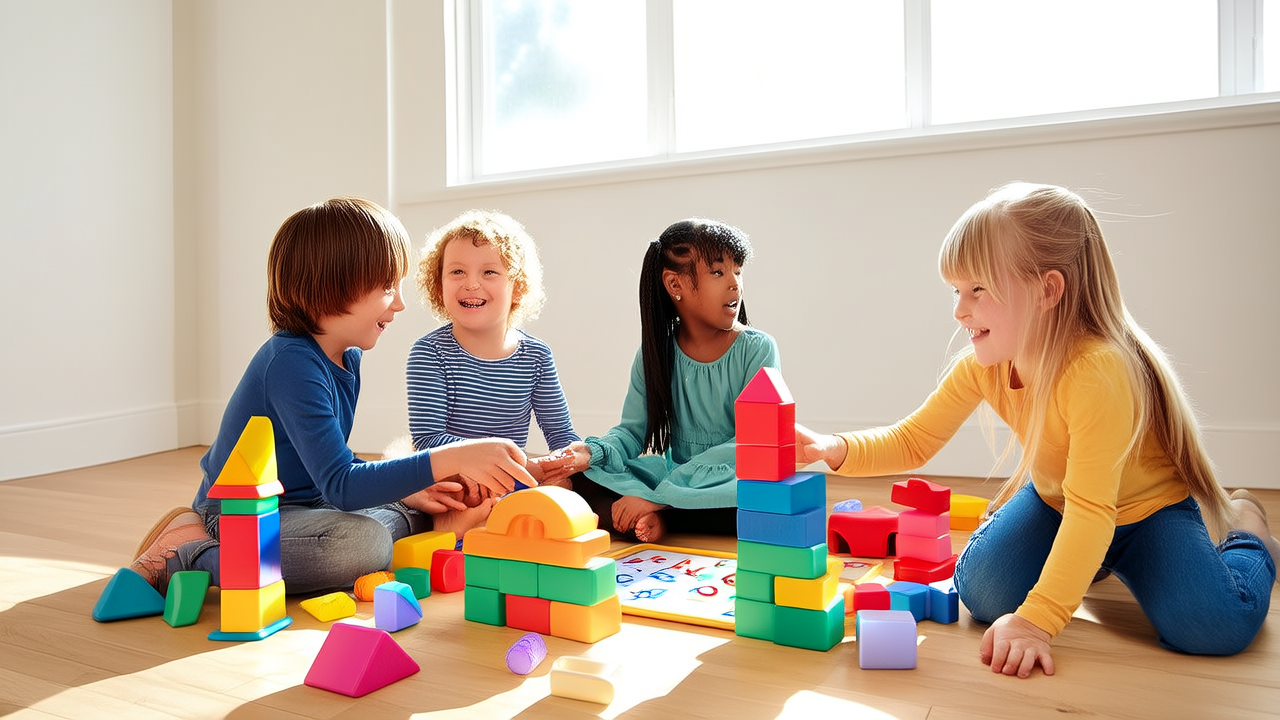
Wooden Toys vs Plastic: Child Development Impact
The Great Toy Material Debate
Parents increasingly question whether the material of a toy matters for development. While both wooden and plastic toys have their place, understanding their differences helps make informed purchasing decisions that support healthy development.
Wooden Toys: Advantages
Sensory Richness
Wood has weight, warmth, texture, and even smell. These sensory properties provide richer input than uniform plastic. A wooden block feels different from a plastic one — heavier, more solid, with visible grain patterns.
Open-Ended Play
Wooden toys tend to be simpler in design — fewer lights, sounds, and predetermined functions. This simplicity pushes children to supply the imagination. A wooden car doesn't talk or flash; the child provides all the sound effects and stories.
Durability
Quality wooden toys last decades and can be passed through generations. They withstand rough play, don't crack easily, and develop a patina that adds character rather than looking worn out.
Plastic Toys: When They Make Sense
Bath Toys
Plastic is the practical choice for water play — it doesn't warp, mold, or deteriorate from constant wetness.
Outdoor Play
Sand toys, watering cans, and outdoor kitchen sets benefit from plastic's weather resistance.
Complex Mechanisms
Gears, hinges, and electronic components often require plastic for precision and cost.
Safety Considerations
- Check for BPA-free and phthalate-free certifications on plastic toys
- Wooden toys should use non-toxic, water-based paints and finishes
- Avoid painted wooden toys from unknown manufacturers (lead paint risk)
- Both materials should meet ASTM F963 safety standards
The Balanced Approach
You don't need to eliminate all plastic toys. Instead, prioritize wooden and natural materials for indoor, open-ended play, and accept plastic for specific functions (bath, outdoor, construction sets like LEGO). The key question is always: "Does this toy make my child think and create, or does it entertain passively?"
More Articles
 Best Puzzle Toys for Critical Thinking: Ages 3–12
 Why Educational Toys Need Built-In Checklists
 Ed Gein Babysitting Myth: Truth for Parents (2026)
 Jeffrey Epstein Kids: Verified Facts (2026)
 How Many Kids Does Aphrodite Have? Myth & Teaching Tips
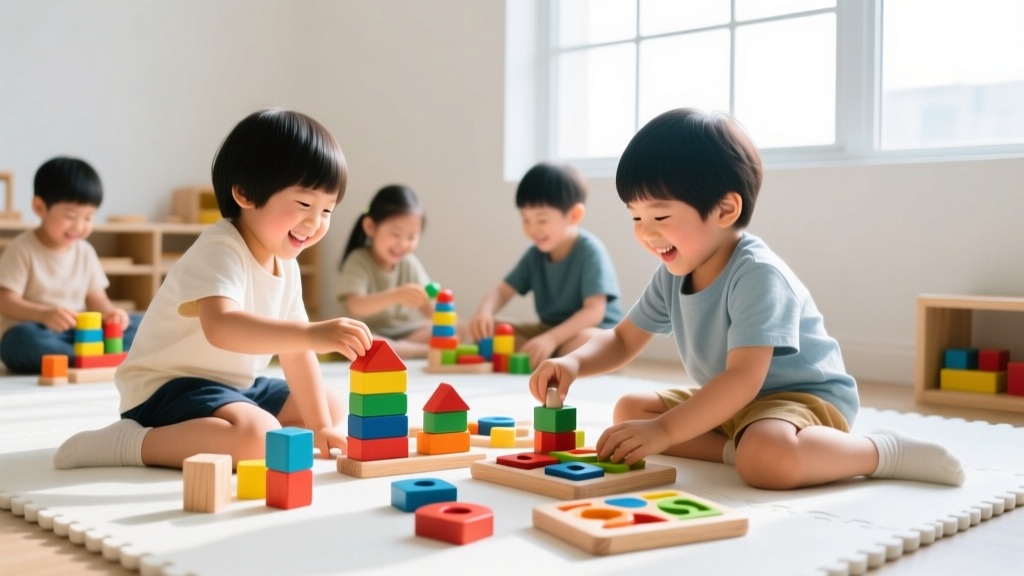 Montessori Toys for Home Learning (2026 Picks)
 How Many Kids Does Zeus Have? Mythic Literacy Guide
 Poseidon’s Kids: Myth & Teaching Guide for Kids
 STEM Subscription Boxes: Honest Comparison
 Montessori Toys for Toddlers: A Parent Guide