
Tablet-Free Learning Toys
Tablet-Free Learning Toys for Less Screen Time
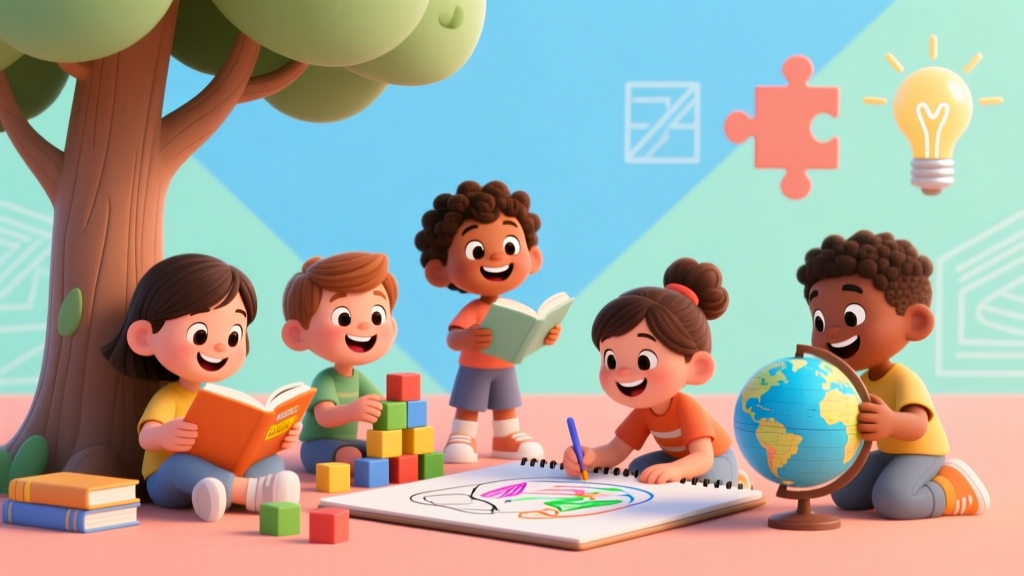
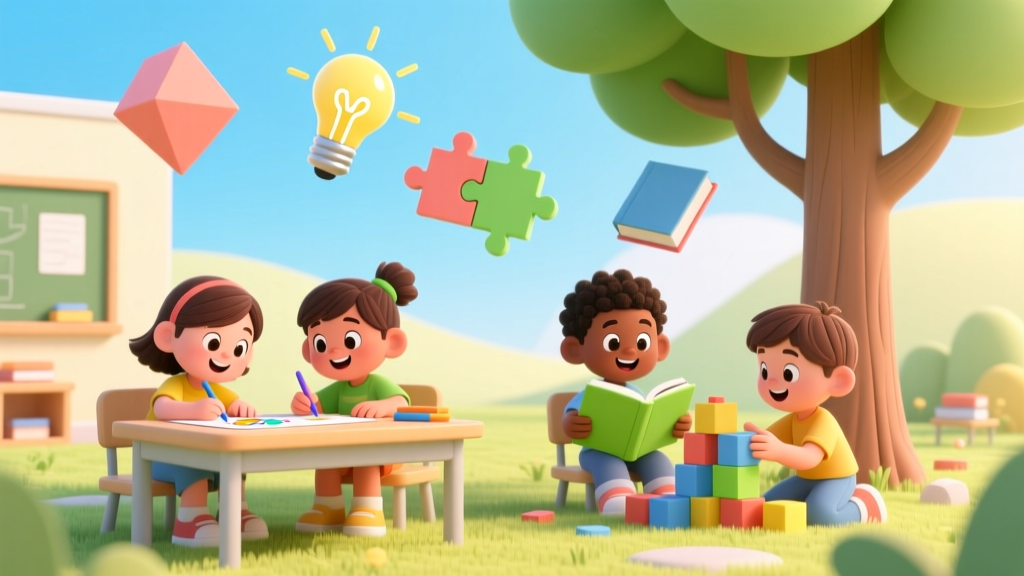
In today's digital age, children are exposed to screens at an early age. While technology has its benefits, too much screen time can hinder social development, creativity, and physical activity. Parents and educators are increasingly seeking alternatives that encourage hands-on learning and reduce dependency on electronic devices. Tablet-free learning toys offer a great solution, combining fun with education in a way that promotes active engagement and skill development.
Why Choose Tablet-Free Learning Toys?
Tablet-free learning toys are designed to stimulate cognitive growth, motor skills, and problem-solving abilities without the need for a screen. These toys encourage children to think critically, explore their surroundings, and interact with others. By minimizing screen time, these toys help foster a more balanced approach to learning and play.
Types of Educational Toys That Work Without Screens
There are many types of tablet-free learning toys available, each targeting different developmental areas. Here are some popular categories:
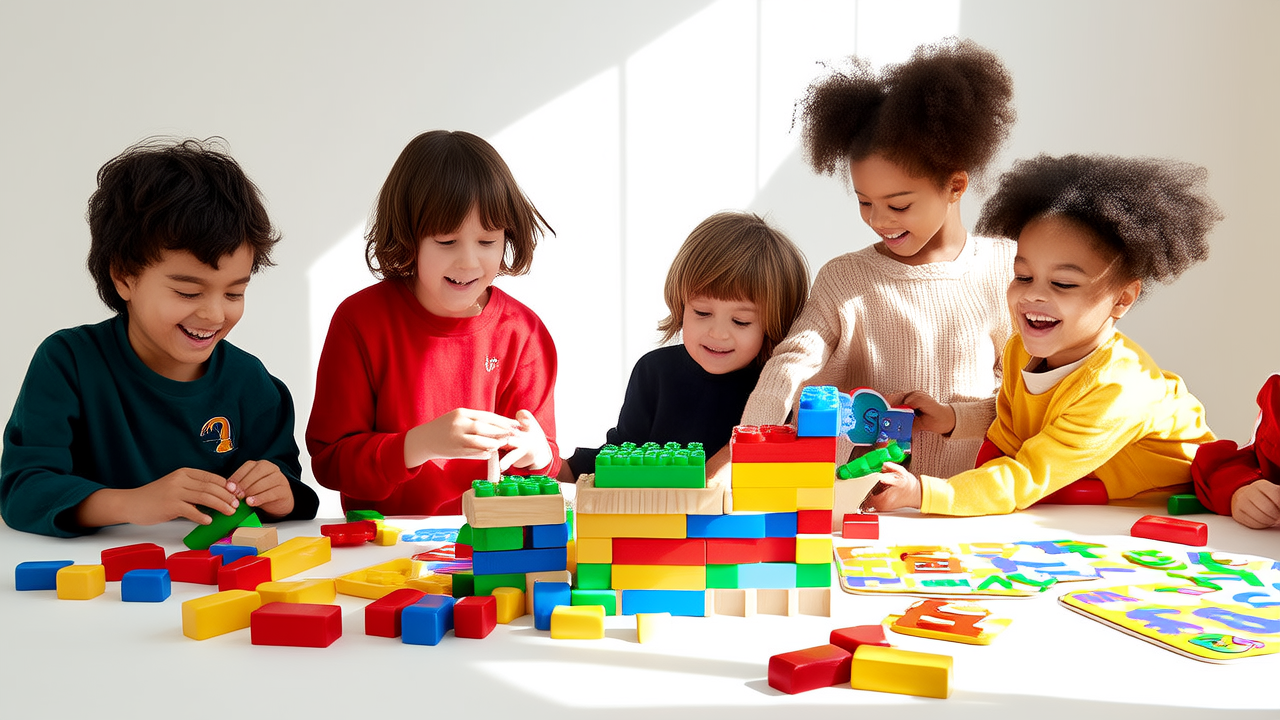
- Building and Construction Sets: These toys, such as LEGO or Mega Bloks, help children develop spatial awareness, fine motor skills, and creativity. They also teach concepts like geometry and engineering through hands-on building.
- Board Games and Puzzles: Educational board games and puzzles promote strategic thinking, memory, and teamwork. They often incorporate math, language, and logic skills in a fun and interactive way.
- Art and Craft Kits: These kits encourage self-expression and creativity. Activities like painting, drawing, and crafting help children develop fine motor skills and artistic abilities.
- Science Experiment Kits: Simple science kits allow children to conduct experiments and learn about the world around them. These toys spark curiosity and introduce basic scientific concepts in a hands-on manner.
- Music and Movement Toys: Instruments like drums, xylophones, and rhythm sticks help children explore music and develop coordination. Movement-based toys, such as balance boards or jump ropes, support physical development and gross motor skills.
Benefits of Tablet-Free Learning
Choosing tablet-free learning toys offers numerous advantages:
- Improved Social Skills: Playing with physical toys often involves interaction with others, which helps build communication and collaboration skills.
- Enhanced Focus and Attention: Hands-on activities require sustained attention and mental engagement, helping children develop better concentration.
- Reduced Eye Strain and Fatigue: Limiting screen time reduces the risk of eye strain and promotes healthier visual habits.
- Encourages Physical Activity: Many tablet-free toys involve movement, helping children stay active and healthy.
- Supports Creativity and Imagination: Open-ended toys allow children to explore and create without predefined outcomes, fostering imagination and originality.
How to Incorporate Tablet-Free Learning into Daily Routines
Integrating tablet-free learning into daily routines doesn't have to be complicated. Here are some tips:
- Set Screen Time Limits: Establish clear boundaries for when and how long children can use electronic devices.
- Rotate Toy Selection: Keep a variety of toys available to maintain interest and encourage exploration.
- Involve the Whole Family: Play together to model positive behavior and make learning a shared experience.
- Choose Age-Appropriate Toys: Select toys that match the child's developmental stage to ensure they are both challenging and engaging.
- Encourage Exploration: Allow children to experiment and discover on their own, promoting independent thinking and problem-solving skills.
By choosing tablet-free learning toys, parents and educators can provide children with enriching experiences that support holistic development. These toys not only reduce screen time but also nurture creativity, critical thinking, and a love for learning that lasts a lifetime.
More Articles
 How Did Billy the Kid Die? Fact vs. Myth in History Class
 How Many Kids Did Henry VIII Have? (2026)
 Is RED ONE for Kids? What Experts Really Say
 How Many Kids Did Ulysses S. Grant Have?
 How Many Kids Did Ares Have? Full Mythology Breakdown
 Best Building Blocks for Spatial Reasoning
 How Many Kids Does Aphrodite Have? Myth & Teaching Tips
 Sensory Bins: Montessori-Inspired Guide
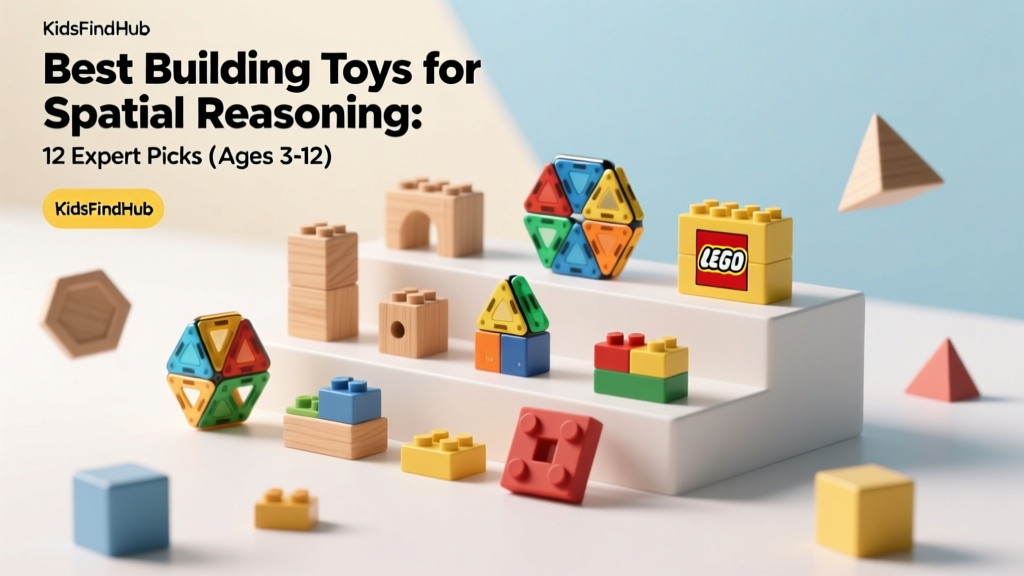 Best Building Toys for Spatial Reasoning (Ages 3-12)
 Is PolyBuzz Safe for Kids? Pediatrician-Reviewed (2026)