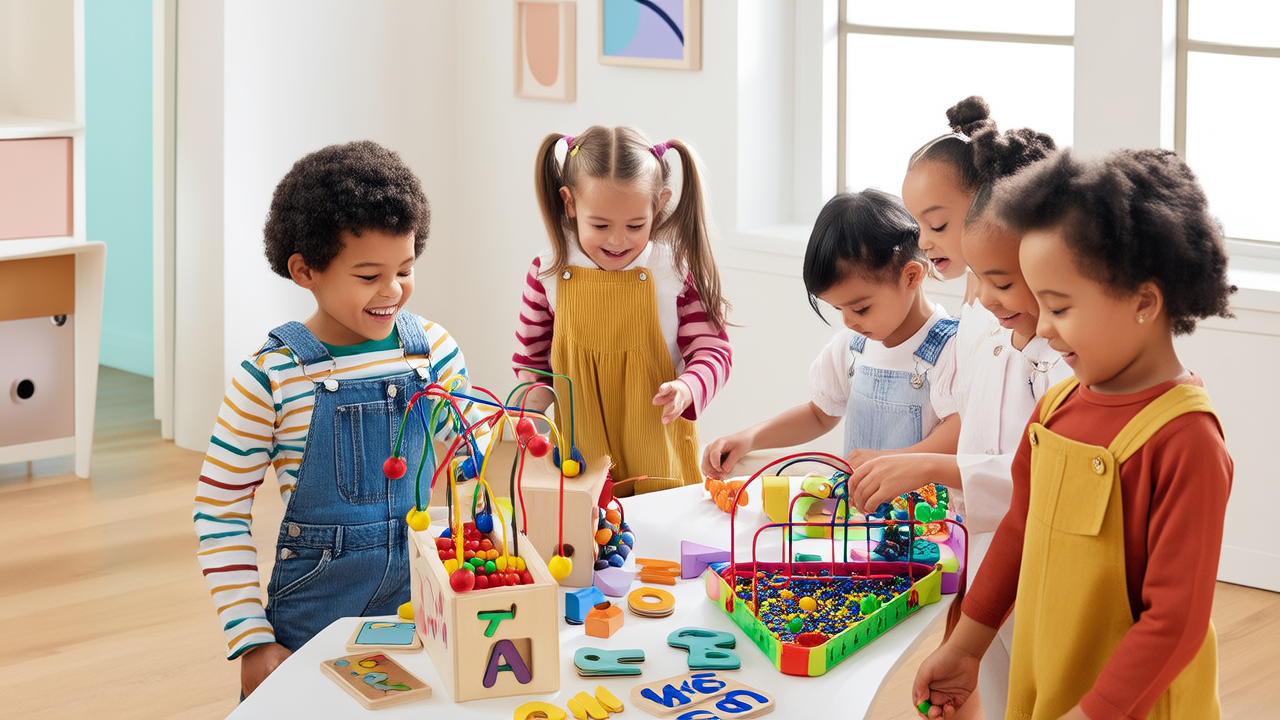
STEM Toys vs Screen Time: Finding the Balance
Both Have a Place
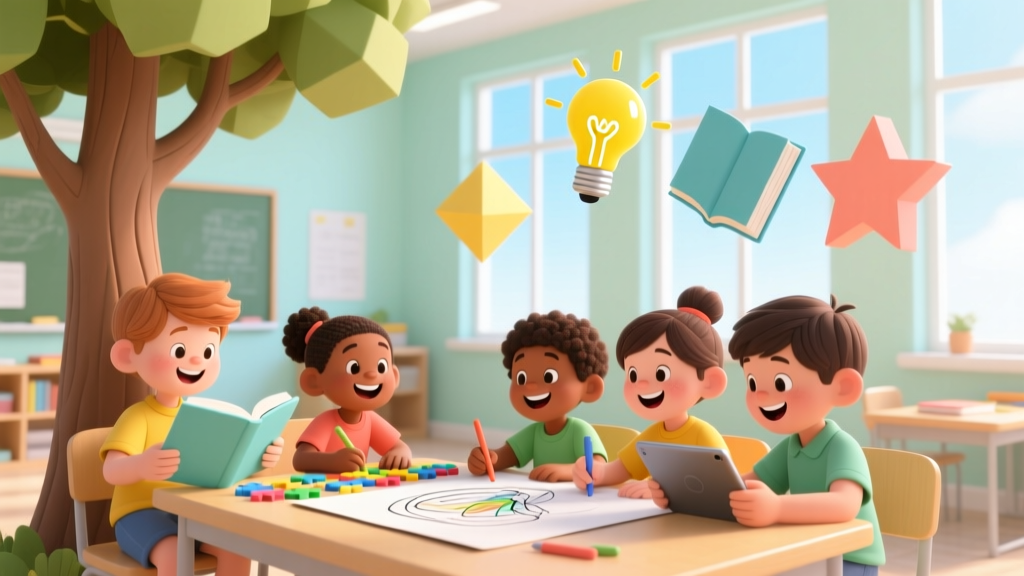
STEM toys and screens are not enemies. A coding app on a tablet and a physical robot kit teach complementary skills. The key is balance and intentionality: knowing when each tool serves your child best.
What STEM Toys Do Better
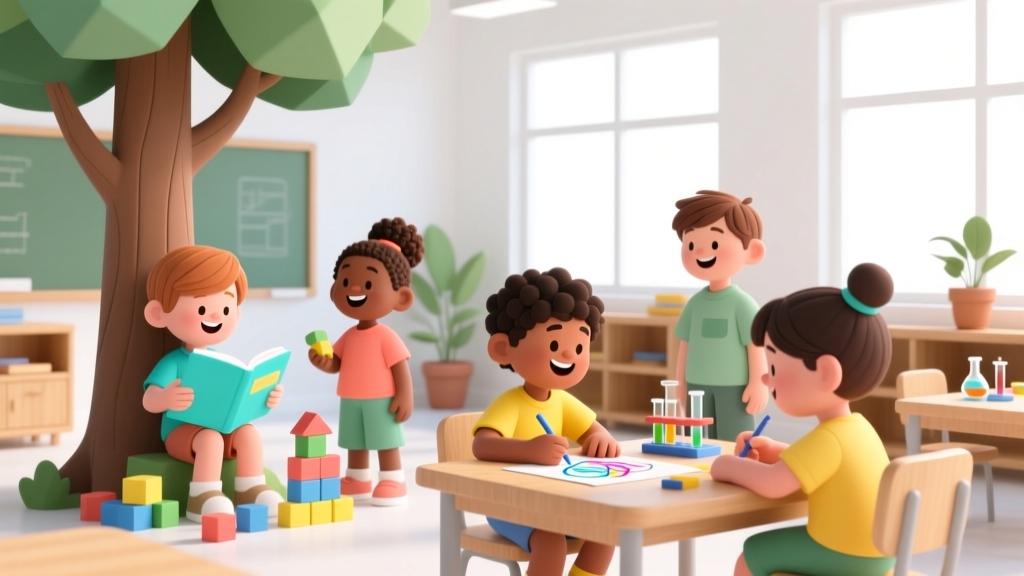
Physical toys build fine motor skills, spatial reasoning, and tactile understanding that screens cannot replicate. Stacking blocks teaches gravity and balance through direct feedback. A marble run shows cause and effect in three dimensions. These concrete experiences create the mental models that abstract screen learning builds upon later.
What Screens Do Better
Apps and videos can show processes that are impossible to observe directly: a seed germinating in time-lapse, a volcano erupting in slow motion, or a rocket launching into orbit. Interactive simulations let kids experiment with variables that would be dangerous or expensive in real life.
Age-Based Guidelines
- Ages 2-5: 90 percent physical toys, 10 percent curated screen content
- Ages 5-8: 70 percent physical toys, 30 percent educational screens
- Ages 8-12: 50 percent physical toys, 50 percent screens with clear boundaries
Creating a Healthy Balance
Pair every screen activity with a physical one. Watch a video about bridges, then build one from popsicle sticks. Play a coding game, then program a physical robot. This approach uses screens as inspiration for hands-on work rather than as a replacement for it.
Signs the Balance Is Off
Watch for these signals: your child reaches for a tablet before considering any other activity, loses interest in toys they used to love, or becomes irritable when screen time ends. These suggest the ratio needs adjusting, not that screens are inherently bad.
The goal is not to eliminate screens but to make sure physical play and creative building remain a daily part of your child's routine. STEM toys provide the hands-on foundation that makes screen-based learning meaningful later.
More Articles
 Where to Stream Billy the Kid (2026) — Not for Kids
 How To Repair Start
 Solo Mio for Kids: Safety, Screen-Time & Red Flags (2026)
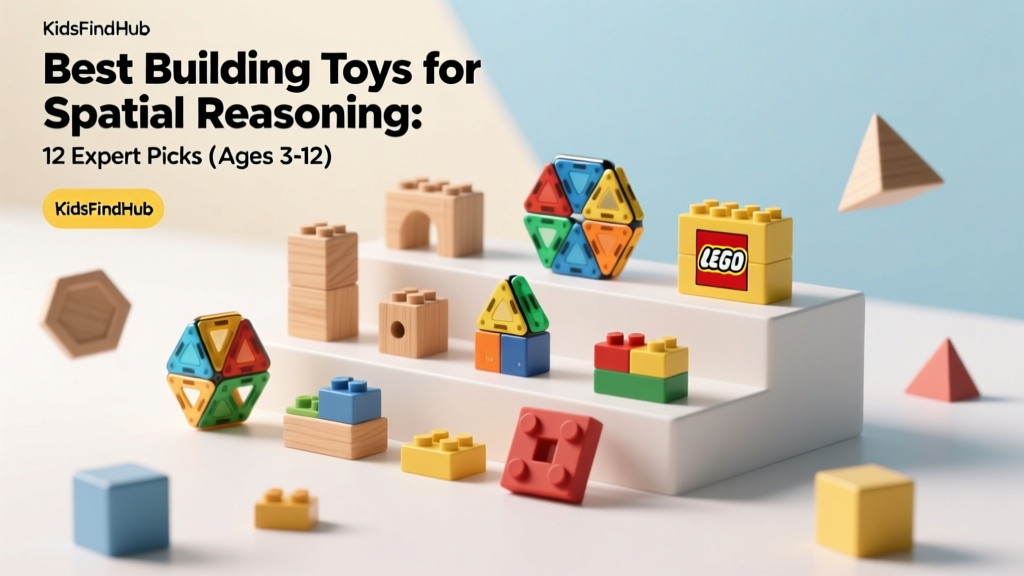 Best Building Toys for Spatial Reasoning (Ages 3-12)
 Science-Backed Play & Routine Strategies for Parents
 Who Voiced Princess Kida? | STEM Toy Impact (2026)
 Jeffrey Epstein Kids: Verified Facts (2026)
 How Old Was Billy the Kid When He Died?
 How Many Kids Did Apollo Have? Myth vs. Reality
 Puzzles That Build Problem-Solving Skills in Kids