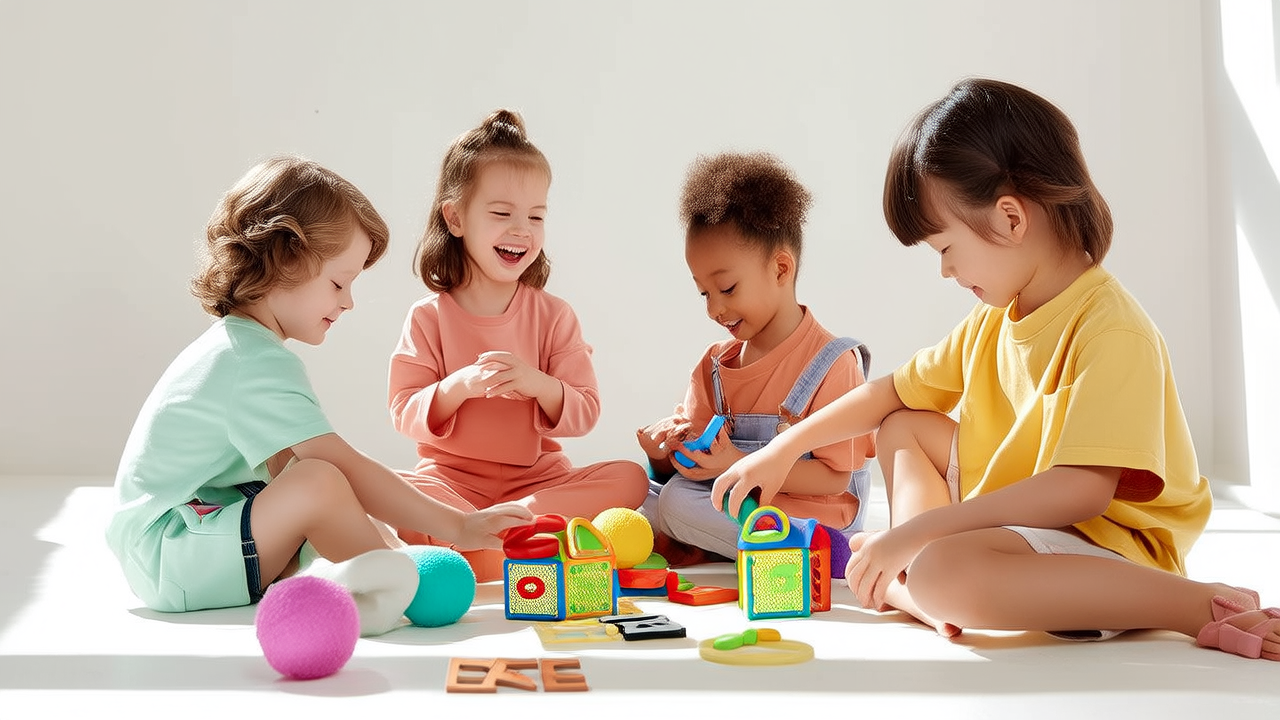
Puzzles That Build Problem-Solving Skills in Kids
Every Puzzle Is a Problem to Solve
Puzzles teach kids to observe, hypothesize, test, and adjust. These are the same steps scientists and engineers use every day. The right puzzle at the right age builds persistence and spatial reasoning that transfers to math and reading.
Toddlers (Ages 2-4): Knob and Chunky Puzzles
Wooden puzzles with large knobs or chunky pieces teach shape matching and fine motor control. Start with three to five pieces and work up to twelve. Peg puzzles with pictures underneath each piece give visual feedback that helps toddlers self-correct.
Early Elementary (Ages 5-7): Jigsaw and Pattern Puzzles
Floor puzzles with 48 to 100 pieces build patience and visual scanning. Pattern puzzles like Rush Hour Jr. and Tangrams require kids to think several moves ahead. These build the same spatial reasoning tested on IQ assessments.
Older Kids (Ages 8-12): Logic and 3D Puzzles
Sudoku, logic grid puzzles, and cryptograms build deductive reasoning. 3D puzzles like Ravensburger landmarks or wooden burr puzzles add a physical dimension that challenges spatial visualization. Rubik's Cubes teach algorithmic thinking and pattern recognition.
How to Choose the Right Difficulty
- A puzzle should take one to three sittings. Too easy bores, too hard frustrates.
- Look for the age range on the box as a starting point, then adjust based on your child's experience.
- Work on puzzles together at first. Model strategies like sorting edge pieces or eliminating wrong answers.
- Celebrate the process, not just completion. Praise persistence when they get stuck and keep trying.
Puzzles are one of the cheapest and most effective educational toys available. A shelf of varied puzzles gives kids a screen-free activity that quietly builds the cognitive skills they need in every subject.
More Articles
 Langston Hughes Kids? Poetry, Identity & Legacy (2026)
 Who Is the Blonde Kid in Happy Gilmore? (2026)
 How Many Kids Did Zeus Have? The Real Count
 Did Diddy Blow Up Kid Cudi’s Car? (2026)
 Billy the Kid: Truth Behind the Legend
 NYT Crossword 3-Down Stuck? Proven Solving Systems (2026)
 Cheap vs Premium Educational Toys: Learning, Safety & Value
 Genghis Khan’s Y-Chromosome: 1 in 200 Men Share It
 Did John O’Keefe Have Kids? Neuroscience for Kids
 Did King Kamehameha Have Kids? Lineage & Teaching Tools