
Sensory Toys for Special Needs Kids: Buying Guide
Understanding Sensory Processing and Play
Many children with special needs — including autism spectrum disorder, ADHD, sensory processing disorder, and developmental delays — experience the world differently through their senses. Sensory toys provide targeted input that helps regulate the nervous system, improve focus, and support development in ways that traditional toys may not.
Types of Sensory Input
Children may seek or avoid different types of sensory input:
- Proprioceptive: Deep pressure and heavy work — weighted blankets, resistance bands, crash pads
- Vestibular: Balance and movement — swings, rocking chairs, balance boards
- Tactile: Touch and texture — fidget toys, sensory bins, textured balls
- Visual: Light and color — lava lamps, light tables, kaleidoscopes
- Auditory: Sound — noise-canceling headphones, musical instruments, white noise machines
- Oral: Chewing and mouthing — chewable jewelry, vibrating toothbrushes, textured straws
Best Sensory Toys for Seekers
Children who actively seek sensory input benefit from:
- Indoor climbing structures and trampolines for vestibular and proprioceptive input
- Fidget spinners, pop-its, and tactile putty for tactile stimulation
- Bubble tubes and fiber optic lights for visual engagement
- Chewable pencil toppers and necklaces for oral seeking
- Weighted lap pads and compression vests for calming deep pressure
Best Sensory Toys for Avoiders
Children who are sensitive to sensory input need gentler options:
- Soft, unscented plush toys without tags or rough textures
- Noise-reducing headphones for overwhelming environments
- Dimmer switches and soft lighting options
- Graduated exposure tools — start with mild textures and slowly increase
- Enclosed play spaces like tents or pod swings for retreat
Creating a Sensory Diet Through Play
Occupational therapists recommend a "sensory diet" — a planned schedule of sensory activities that keeps a child regulated throughout the day. Sensory toys are key components: morning vestibular input on a swing, midday proprioceptive heavy work, afternoon tactile exploration, and calming input before bed.
Important Considerations When Buying
Safety comes first — check for small parts, toxic materials, and breakage risks. Consider the child's specific sensory profile rather than buying generically. Start with a few targeted items rather than overwhelming with options. Consult with an occupational therapist for personalized recommendations. Look for toys that grow with the child and offer adjustable intensity levels.
Budget-Friendly Sensory Play Ideas
Many effective sensory tools don't require expensive purchases: rice or bean bins for tactile exploration, homemade playdough with various textures, water play with different temperatures, obstacle courses using household furniture, and nature walks offering multi-sensory input at no cost.
More Articles
 Eustass Kid’s Age: Canon Facts & Toy Safety (2026)
 Best Wooden Montessori Toys: 2026 Educator Picks
 Educational Toy Guide by Age
 Wooden Toys vs Plastic: Child Development Impact
 Who Did Vergil Have a Kid With? Canon Truth (2026)
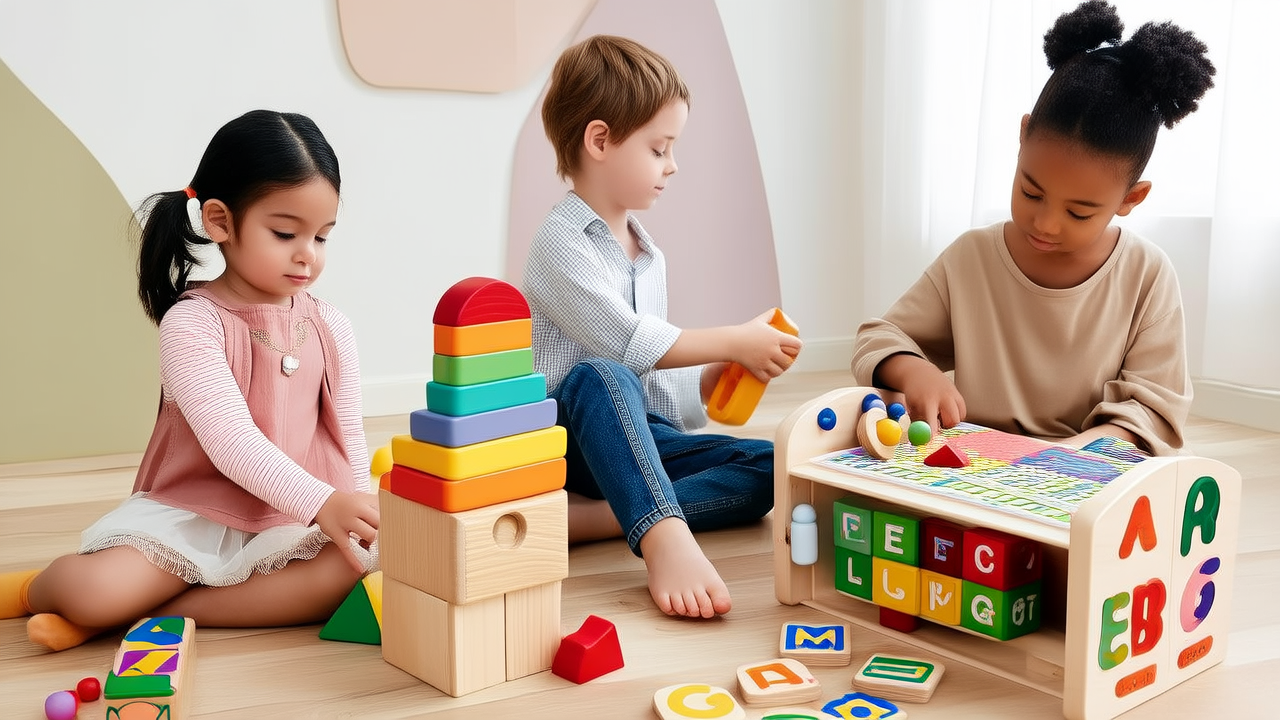 Science Kits for Curious Kids Under 10
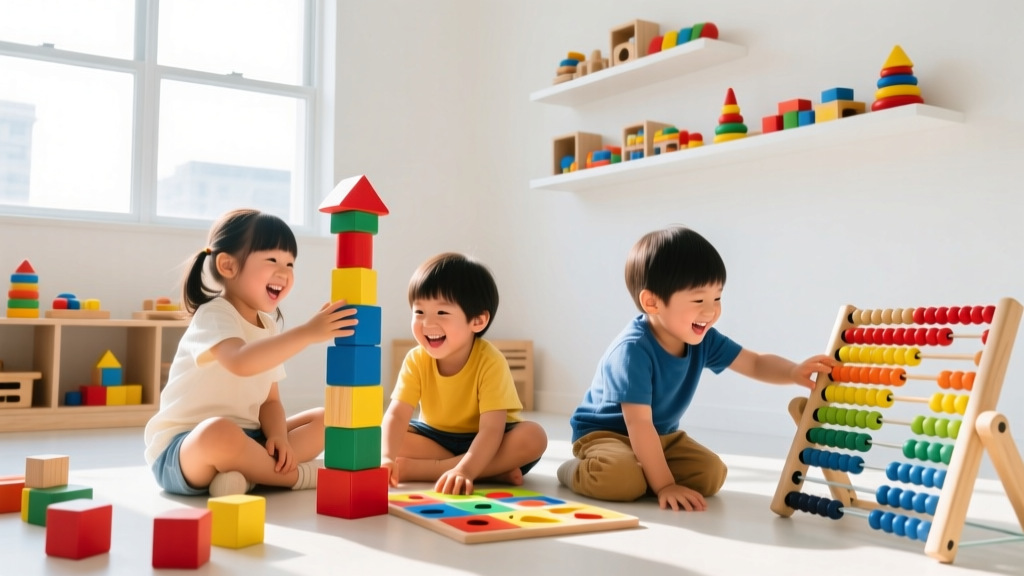 Wooden Puzzles That Teach Preschoolers Fast
 Genghis Khan’s Y-Chromosome: 1 in 200 Men Share It
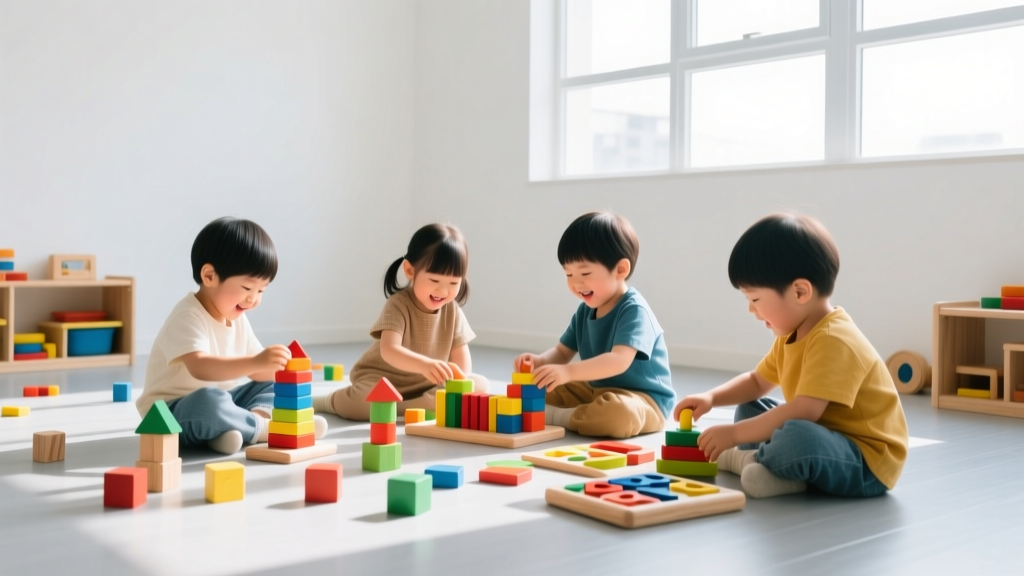 Best Board Games That Teach Reading to Kids Ages 4–7
 Is Cobra Kai from Karate Kid? Truth for Parents & Educators