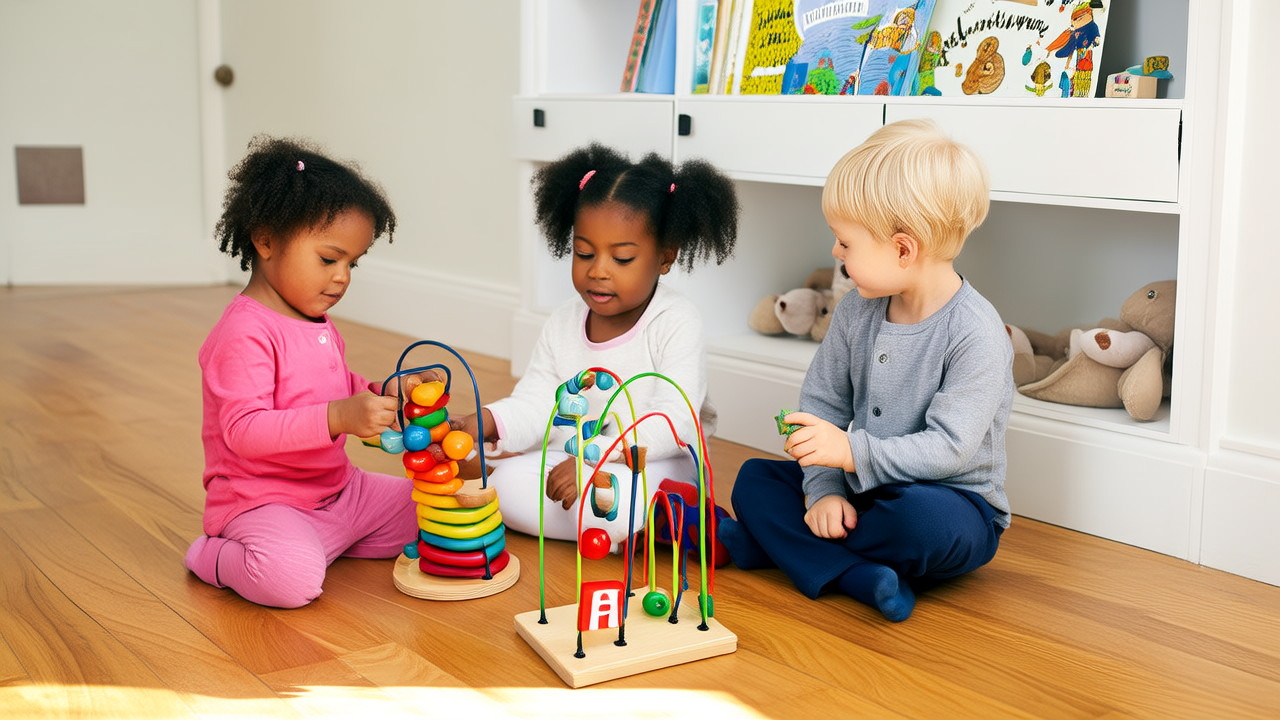
Sensory Toys That Help Kids Focus and Stay Calm
Why Sensory Tools Work
Some kids need movement and touch input to regulate their nervous system. Sensory toys provide that input in a focused way, helping children sit still, pay attention, and manage big emotions. These tools benefit all kids, not just those with sensory processing differences.
Fidget Tools for Focus
Fidget spinners, stress balls, and putty give restless hands something to do while the brain concentrates on listening or reading. The key is choosing fidgets that do not demand visual attention. Silent options like kneaded erasers and textured rings work best in classrooms.
Weighted Items for Calm
Weighted lap pads and stuffed animals provide deep pressure input that activates the calming part of the nervous system. A good rule is ten percent of the child's body weight. These work well during homework time, car rides, or before bed.
Tactile Exploration Toys
Kinetic sand, water beads, and slime engage the sense of touch in ways that naturally slow down breathing and heart rate. A small bin of kinetic sand on a desk gives kids a calming break between tasks. Water beads in a sealed bottle become a soothing visual toy.
Oral Motor Tools
Chewable pencil toppers and silicone necklaces give kids who need oral input a safe alternative to chewing on shirts or fingers. Chew tubes come in different textures and resistance levels.
Choosing the Right Tool
- Observe what your child naturally reaches for: squishing, spinning, chewing, or deep pressure
- Match the tool to the situation: silent fidgets for school, bigger items for home
- Introduce one tool at a time and give it a week before judging effectiveness
- Let the child choose their own tool when possible. Buy-in matters.
Sensory toys are not a replacement for professional support when a child has significant regulation challenges. But for everyday focus and calm, the right tool can make a noticeable difference in how a child feels and performs.
More Articles
 James Madison’s Kids? Family Truths for U.S. History
 How Many Kids Did Genghis Khan Have In Total
 Osama bin Laden's Kids: Current Status (2026)
 How Old Was Billy the Kid When He Died?
 Hands-On Science Investigations for Young Learners
 True Crime Toys: Debunking the Ed Gein Myth (2026)
 Rosa Parks Family Life Teaching Civil Rights
 How Many Kids Did Lee Harvey Oswald Have?
 Is Kid Cudi in Trap? No — Here’s the Truth (2026)
 Montessori Toys for Home Learning (2026 Picks)