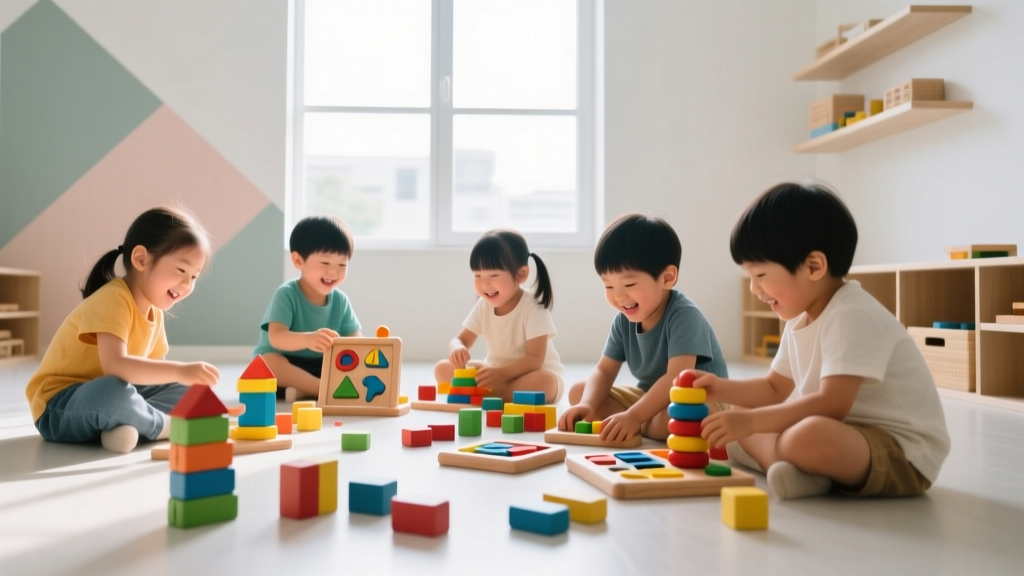
Montessori Toys for Independent Play
Why Montessori Toys Spark True Independence
Children don’t need flashy lights or loud sounds to stay engaged—they need opportunities to do, to choose, and to master. Montessori toys are intentionally designed to support independent play by honoring a child’s natural drive toward competence and concentration. Unlike passive entertainment, these materials invite hands-on exploration, offer built-in feedback (e.g., a puzzle piece only fits one way), and respect developmental readiness. When children select, use, and return a toy without adult direction, they’re not just playing—they’re building executive function, fine motor control, intrinsic motivation, and deep focus. The magic lies not in the object itself, but in how it aligns with the child’s need to act with purpose and autonomy.
What Makes a Toy Truly Montessori?
Not all 'Montessori-style' toys meet Dr. Maria Montessori’s core principles. Authentic Montessori materials are grounded in observation, simplicity, and respect for the child’s developmental stage. Here’s how to spot the real thing—and avoid common marketing traps.
Key Characteristics to Look For
- Natural materials: Wood, cotton, wool, metal, and stone predominate—offering rich sensory input and durability over plastic.
- Limited, intentional design: No batteries, no flashing lights, no random sounds. Each toy has one clear purpose (e.g., pouring rice, threading beads, matching shapes).
- Self-correcting features: A knobbed cylinder only fits its matching hole; a wooden puzzle piece won’t sit flush if placed incorrectly—allowing the child to recognize and fix errors without adult intervention.
- Developmentally sequenced: Materials progress logically—from simple (grasping a wooden ring) to complex (building a tower of ten graduated cylinders).
- Beauty and order: Thoughtful craftsmanship, harmonious colors, and intentional placement invite care, repetition, and calm engagement.
Be wary of products labeled "Montessori-inspired" that include cartoon characters, electronic components, or overwhelming visual clutter—these undermine the very principles they claim to support.
Top Montessori Toys for Independent Play (Ages 1–6)
Below are time-tested, classroom-proven tools—each chosen for its ability to nurture independence, concentration, and real-world skills. All are safe, open-ended, and scalable across ages with slight adaptations.
1. Wooden Object Permanence Box (Ages 12–24 months)
This simple box with a sliding lid and a hole invites babies to drop a ball and watch it reappear. It builds early cause-and-effect understanding, hand-eye coordination, and the foundational concept that objects exist even when out of sight. Pro tip: Start with a large, easy-to-grasp wooden ball. Once mastered, swap in smaller items (a wooden peg, a felted ball) to increase challenge.
2. Knobbed Cylinders (Ages 2–4 years)
A classic set of 10 wooden cylinders varying in height and/or diameter, each with a smooth wooden knob. Children remove, mix, and replace them—refining visual discrimination, pincer grip, and sequencing logic. Use one block at a time (start with the thickness set), keep it on a low shelf within reach, and resist the urge to ‘show’ unless the child asks. Their repeated attempts *are* the learning.
3. Practical Life Trays (Ages 2–6 years)
These aren’t toys—they’re real tools adapted for small hands: a child-sized pitcher and cup for pouring water, tweezers and pom-poms for transferring, a cloth and spray bottle for wiping a mirror. They build coordination, attention to detail, responsibility, and pride in contribution. Practical implementation: Rotate one tray weekly. Place it on a low shelf with a photo card showing the steps (e.g., pour → wipe spill → return). Let your child choose whether—and when—to use it.
4. Wooden Puzzle Maps (Ages 3–6 years)
Continent or country puzzles with removable, knobbed pieces made of solid wood. Unlike flat cardboard puzzles, these emphasize geographical relationships, tactile feedback, and cultural awareness. Store pieces upright in a small wooden box beside the base board—this supports memory, organization, and the habit of returning work completely before choosing something new.
5. Bead Stringing Set (Ages 3–5 years)
A wooden tray with a variety of large-hole wooden beads and thick cotton laces. Children create patterns, count, sort by color/shape, and develop bilateral coordination. Lay out only 3–5 bead types at first. Later, add pattern cards (e.g., red-blue-red) for gentle extension—but always let free creation come first.
5 Immediate Ways to Support Independent Play at Home
You don’t need a full Montessori classroom to make a difference. These actionable strategies require minimal setup—and maximum consistency.
- Create a ‘Yes’ Space: Designate one low shelf (or a single basket) with 3–5 carefully chosen Montessori materials—rotated weekly. Keep everything visible, accessible, and in working order. Remove anything broken, incomplete, or overly stimulating.
- Model the Return Ritual: Every day, spend 60 seconds with your child returning one material to its place—name the steps (“We carry the puzzle gently. We put the pieces in the box. We slide the box back onto the shelf.”). Repetition builds ownership and order.
- Resist the Rescue Reflex: When your child struggles (e.g., can’t get a cylinder in), pause for 10 seconds. Watch closely. Often, they’ll adjust their grip, change angle, or try again—gaining confidence through effort, not assistance.
- Use Time-Blocking, Not Timers: Instead of saying “Play for 15 minutes,” say “You may work with the pouring tray until the big hand points to the 12.” Or better yet—offer uninterrupted 45–60 minute blocks twice daily where no adult-led activities interrupt.
- Observe First, Suggest Later: Spend 5 minutes daily simply watching—not correcting, praising, or directing. Note what draws their attention, how long they persist, and where they pause. That insight tells you more than any checklist about what to introduce next.
Remember: Independence isn’t the absence of help—it’s the presence of trust, preparation, and patience. Montessori toys are invitations—not instructions. Your role is to prepare the environment, protect the time, and believe deeply in your child’s capacity to engage meaningfully, all on their own terms.
By choosing thoughtful tools and supporting them with respectful routines, you’re not just filling playtime—you’re cultivating a lifelong learner who knows how to initiate, persevere, and reflect. That’s the quiet, powerful gift of Montessori-inspired independent play.
More Articles
 Who Are Zeus’s Kids? Myth Guide & Learning Tools
 How Many Kids Did Thomas Jefferson Have? (2026)
 How Old Was Kid Cudi in 2009? (He Was 25)
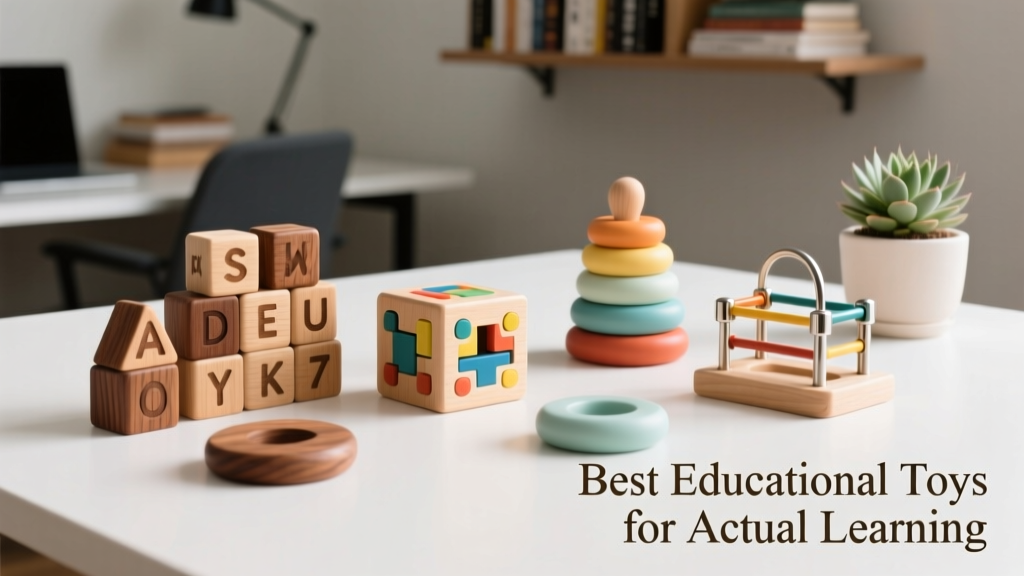 Educational Toys That Actually Build Skills
 Care & Maintenance Tips to Extend Educational Toy Lifespan
 How Many Kids Did Zeus Have? Myth vs. Reality
 Piece by Piece for Kids: Best Building Toys (2026)
 Rainbow Kids Toys: What They Really Are (2026)
 Kid Cudi vs Diddy: Truth Behind Viral Testimony Rumor
 Genghis Khan’s Genetic Legacy: 16M Male Descendants