Watercolor Techniques for Young Artists
Watercolor Basics Every Child Should Know
Watercolor is an accessible medium that rewards experimentation. Unlike acrylics, mistakes can be lifted and reworked, making it forgiving for beginners. These techniques give kids a foundation for creative expression.
1. Wet-on-Wet
Wet the paper first, then apply paint. Colors spread and blend organically, creating soft backgrounds and sky effects. This technique teaches children about water control and paint flow.
2. Wet-on-Dry
Apply paint to dry paper for crisp edges and defined shapes. This is ideal for detailed work like flowers, animals, or buildings. Kids learn patience as layers dry between applications.
3. Salt Texture
Sprinkle table salt onto wet paint and let it dry. The salt absorbs water and pigment, creating starburst patterns. Brush off the salt once completely dry to reveal the texture.
4. Resist Technique
Draw with white crayon on white paper, then paint over with watercolor. The crayon resists the paint, revealing hidden drawings. Kids love the surprise element of this technique.
5. Color Lifting
While paint is still damp, press a clean, dry brush or paper towel to lift pigment. This creates clouds, highlights, and corrections. It teaches that watercolor allows undo-like adjustments.
6. Gradient Wash
Start with full-strength paint at the top and add more water as you move down. This creates smooth color transitions from dark to light. Practice on scrap paper before using on final pieces.
More Articles
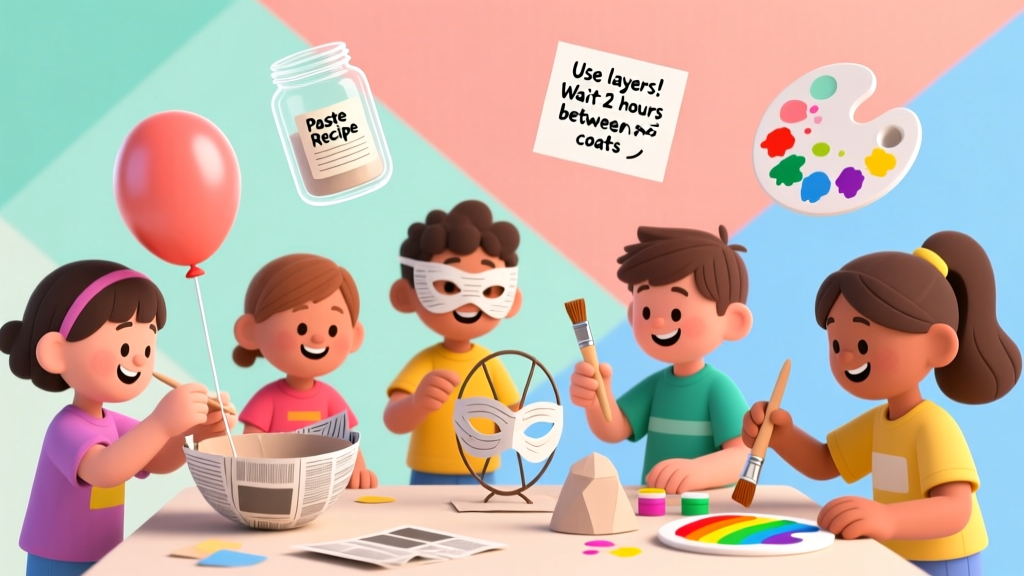 Paper Mache Projects: Step-by-Step Kids Guide (2026)
 Clay Sculpting Projects Kids Can Do
Clay Sculpting Basics for Young Hands
 Draw a Fairy Kids Love: 5 Easy Steps (2026)
 Easy Dragon Drawing for Kids: Stress-Free Guide
 How to Draw a Horse for Kids: Stress-Free Guide
 Draw a Cake for Kids: 5 Foolproof Steps (2026)
 How to Draw Kids: A Beginner’s Guide (2026)
 How to Draw Christmas for Kids: Stress-Free Guide
 Experiments & Observation: A Maker's Guide