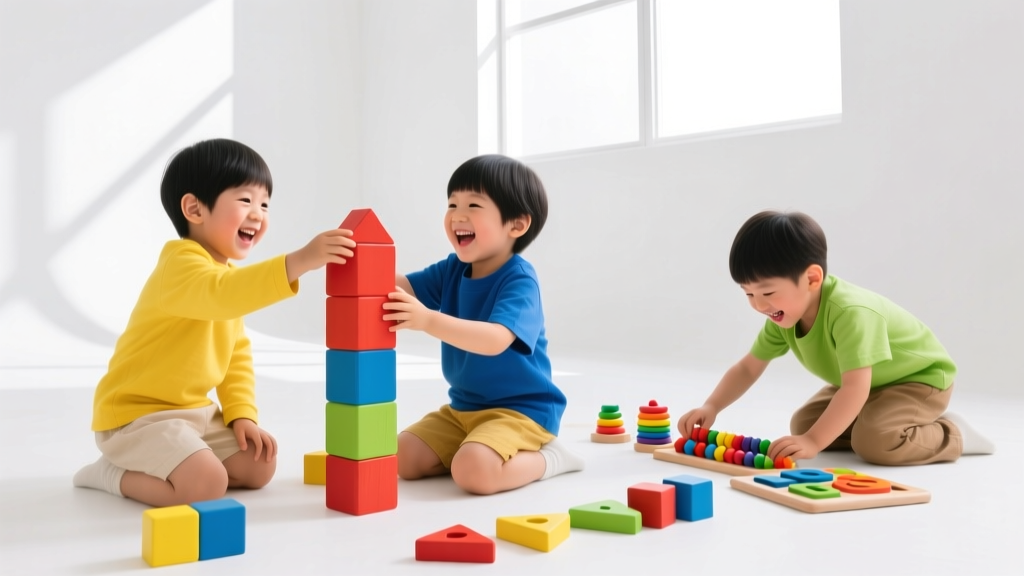
Natural Collage Art Projects for Kids
Why Natural Collage Art Belongs in Every Home
Natural collage art invites children to slow down, observe the world closely, and transform everyday outdoor treasures into expressive, tactile creations. Unlike store-bought craft kits, nature collages require no plastic packaging, minimal supplies, and foster deep connections with seasons, textures, and local ecology. In 2026, more families are embracing low-waste, sensory-rich art experiences—and natural collages deliver exactly that. Whether your child is a toddler spotting shapes in fallen maple keys or a 10-year-old designing intricate forest-themed mandalas, these projects grow with their curiosity and motor skills.
Best of all? They’re accessible year-round: crisp oak leaves in autumn, smooth river stones in spring, dried grasses and pinecones in winter, and wildflower petals in summer. No special tools needed—just a walk outside, a glue stick (or flour paste for younger kids), and paper or cardboard.
Simple Supplies & Safe Gathering Tips
You don’t need a craft cabinet full of supplies—just a few intentional, age-appropriate items:
- Bases: Cardstock, recycled cereal boxes, watercolor paper, or even pressed bark slices (sanded smooth)
- Adhesives: Washable glue sticks (ages 3+), homemade flour-and-water paste (mix 1 part flour + 2 parts water, simmer 2 minutes—cool before use), or double-sided tape for toddlers
- Nature Finds: Fallen leaves, twigs, seed pods (like maple “helicopters” or milkweed fluff), acorn caps, smooth pebbles, pine needles, flower petals, moss, dried grasses, and birch bark shavings
- Optional Extras: Child-safe scissors, tweezers (great for fine motor practice), magnifying glass, small paintbrushes (for applying glue), and a tray or shallow box to organize materials
Safety first: Always supervise outdoor collection. Teach kids to gather only fallen items—not pluck live plants, disturb nests, or collect from protected areas. Avoid poisonous look-alikes (e.g., poison ivy leaves, foxgloves) by sticking to easily identifiable items like oak leaves, dandelion puffs, or smooth river rocks. When in doubt, snap a photo and identify it later using apps like iNaturalist or Seek by iNaturalist—great learning moments for older kids!
Pro tip for busy parents: Keep a ‘nature jar’ on your shelf—a clear mason jar where kids can drop interesting finds after walks. By week’s end, you’ll have a curated stash ready for spontaneous art sessions.
Age-Appropriate Projects You Can Start Today
Toddlers (Ages 2–4): Sensory Leaf Pressing & Sticking
This project builds hand-eye coordination and introduces texture vocabulary (“bumpy,” “smooth,” “crinkly”). Lay out large, flat leaves (like hosta or rhododendron) and pre-cut cardstock squares. Offer a glue stick and let them dab and press. No need for precision—focus on the joy of sticking! Add sensory layers: sprinkle crushed dried lavender or cinnamon over glue for scent, or press soft moss for a velvety feel.
Early Elementary (Ages 5–7): Seasonal Nature Mandalas
Mandalas teach symmetry, pattern, and patience. Use a paper plate as a guide circle. Invite kids to arrange materials in concentric rings: outer ring = twigs, middle = acorn caps and berries, center = a single feather or pinecone. Encourage storytelling: “What season does your mandala show? What animals might live here?” Bonus: Photograph finished pieces, then gently deconstruct—returning everything to the earth honors nature’s cycle.
Upper Elementary & Tweens (Ages 8–12): Eco-Portrait Collages & Story Stones
Challenge creativity with purpose-driven art. For Eco-Portraits, have kids sketch a self-portrait outline on heavy paper, then fill features using nature: hair = dried wheat stalks, eyes = polished river stones, smile = curled fern fronds. Discuss sustainability—why using natural, biodegradable materials matters for our planet in 2026.
For Story Stones, collect 6–8 smooth, palm-sized stones. Paint a base coat (white acrylic or gesso), then let dry. Kids glue on tiny natural elements—feathers for birds, lichen for mountains, tiny shells for oceans—and write one-word prompts on the back (e.g., “journey,” “whisper,” “discover”). Use them for collaborative storytelling or writing prompts.
Making It Last (And Letting It Go)
One of the most beautiful lessons in natural collage is impermanence. Most organic materials fade, curl, or detach over time—and that’s okay. It teaches resilience, observation, and respect for life cycles.
That said, some families want to preserve pieces longer. Here’s how:
- Press & Laminate: Place flat collages between sheets of parchment paper, then under heavy books for 3–5 days. Once dry, seal with matte laminate sheets (avoid glossy—it obscures natural textures).
- Resin Option (for adults only): Older kids (with adult supervision) can embed small, dry items (like pressed ferns or tiny shells) in UV resin on wooden coasters or keychains. Always follow safety instructions and ventilate well.
- Digital Archiving: Snap high-res photos in natural light, then turn them into printable cards, family calendars, or digital storybooks using free tools like Canva or Book Creator.
When it’s time to say goodbye to a piece, make it ceremonial: place it under a favorite tree, add it to the compost bin (if glue is flour-based), or float it gently in a creek (check local guidelines first). Talk about how nutrients return to the soil—connecting art back to the ecosystem.
Finally, remember: there’s no ‘right’ way. A 3-year-old’s glue-smeared leaf mosaic holds just as much wonder as a 12-year-old’s layered forest diorama. What matters is the shared focus, the quiet concentration, the questions asked (“Why is this leaf veiny?” “How did this seed travel here?”), and the memory of hands working together—rooted in nature, open to imagination.
In 2026, as screen time continues to rise, natural collage art remains a grounding, joyful, and deeply human way to nurture creativity—one leaf, stone, and sticky finger at a time.
More Articles
 Air-Dry Clay Projects for Kids Under 30 Minutes
 Collage Art Techniques for Young Artists
Recycled Cardboard Craft Ideas for Rainy Days 2026
 Christmas Drawing for Kids: Easy, Joyful Steps
 Sticker Art Activities for Toddlers
 Parenting Tips & Checklist for Modern Caregivers
 Easy Watercolor Techniques for Kid Beginners
Paper Mache Projects for Kids: Beginner Ideas
 How to Draw a Snowflake for Kids (2026)
 How to Draw a Rainbow for Kids: Easy & Developmental