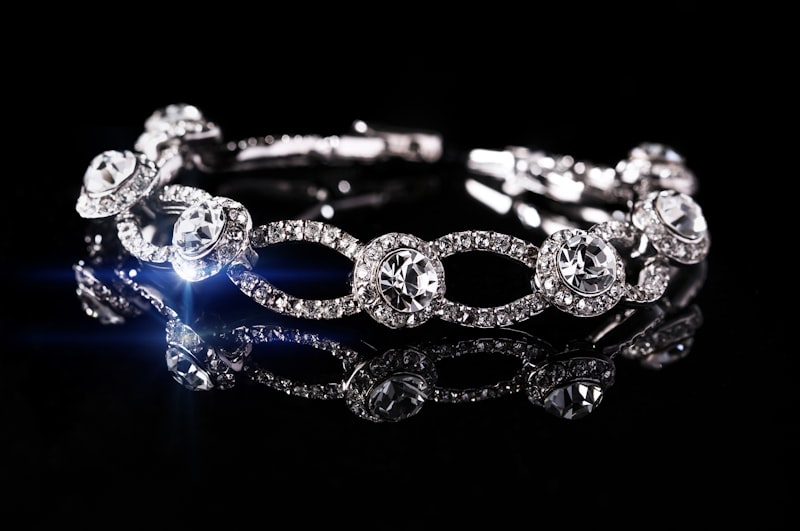
Jewelry Making for Kids: Beading & Wire Projects
The Art and Joy of Jewelry Making
Jewelry making combines artistic design with fine motor skill development, mathematical thinking (patterns and counting), and the satisfaction of creating something wearable. Children take enormous pride in wearing their own creations and gifting them to loved ones.
Getting Started: Basic Supplies
- Assorted beads in various sizes, shapes, and materials
- Elastic cord (1mm for beginners, 0.5mm for advanced)
- Beading wire and crimp beads for permanent pieces
- Clasps, jump rings, and earring hooks
- Round-nose and flat-nose pliers (for older children)
- Bead organizer tray and design board
Beginner Project: Elastic Bracelet
The simplest entry point — string beads onto elastic cord, tie a secure surgeon's knot, and trim. Teach children to plan their pattern before stringing. Start with large-holed beads (6mm+) and thick cord for little hands. Progress to smaller beads and more complex patterns.
Pattern Design Fundamentals
Teach mathematical concepts through beading patterns:
- AB Pattern: Alternate two bead types (red, blue, red, blue)
- ABC Pattern: Three-beat repeating sequence
- Symmetry: Design from center outward with matching sides
- Gradient: Transition gradually from one color to another
- Random with Rules: No two same colors adjacent
Intermediate: Wire-Wrapped Pendant
Using soft craft wire (24-gauge), teach children to wrap wire around a stone or large bead to create a pendant. This develops hand strength and precision. Start with simple wraps and progress to decorative spirals and woven patterns.
Advanced: Friendship Bracelets and Kumihimo
Knotting techniques like friendship bracelets and Japanese kumihimo braiding create intricate patterns from simple threads. These require patience and following complex sequences — excellent for developing focus and perseverance.
Setting Up a Jewelry Making Station
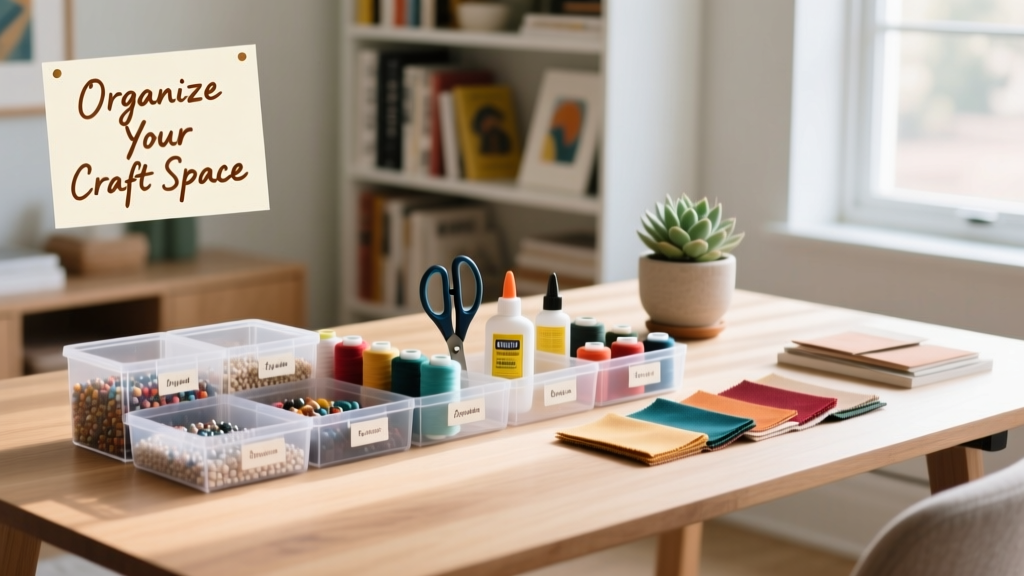
Organize beads by color and size in a compartmented box. Keep tools in a designated spot. Provide good lighting and a bead mat to prevent rolling. Include design inspiration books or printed photos. Have a display area for finished pieces.
Jewelry Making as a Social Activity
Host jewelry-making parties where children create pieces for each other. Set up a "jewelry store" where kids price and sell their creations (with play money) to learn basic economics. Create matching family pieces for special occasions. Donate pieces to nursing homes or hospitals to spread joy.
Safety Considerations
Supervise younger children around small beads (choking hazard). Use lead-free, nickel-free materials to prevent allergic reactions. Blunt wire ends to prevent scratching. Store tools safely out of reach of very young children. Ensure clasps are secure to prevent breakage and bead loss.
More Articles
 Recycled Cardboard Crafts for Kids: 18 Eco Projects
 How Shared Arts & Crafts Boost Family Bonds & Child Develo
 How to Draw Bubbles with Pencil for Kids (2026)
 How to Draw for Kids: A Developmental Guide (2026)
 How to Display Kids Artwork: Science-Backed Ideas
 Paper Mache Animals: Step-by-Step Tutorial
 Watercolor Parenting: Nurture Creativity & Presence in Kids
 How to Organize Craft Supplies: Space-Smart System
 STEM Learning Essentials by Age
 Responsive Parenting vs Rigid Techniques