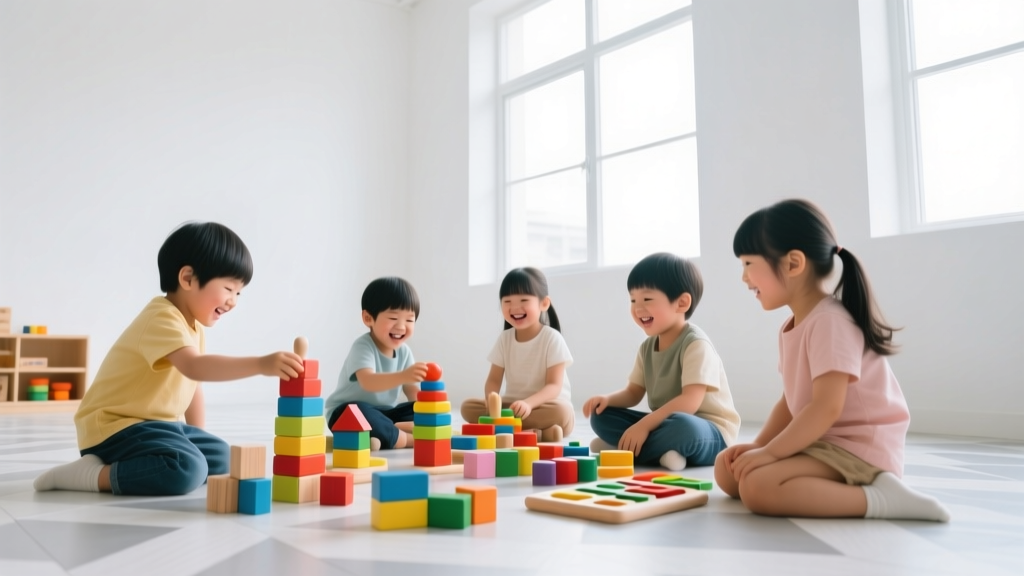
Fabric Crafts for Little Hands
Why Fabric Crafts Belong in Early Childhood
Fabric crafts offer a uniquely tactile, forgiving, and open-ended creative outlet for young children—especially those still developing hand strength, coordination, and attention span. Unlike paper or glue-heavy projects, fabric invites exploration through touch, drape, texture, and manipulation. It’s soft, reusable, and forgiving of wobbly cuts or uneven stitches—making it ideal for nurturing patience without pressure. Research shows that early textile play (like threading, sewing, and stuffing) strengthens fine motor pathways, supports bilateral coordination, and even lays groundwork for later handwriting and self-regulation. Best of all? You don’t need a sewing machine—or even needles—to get started.
3 Beginner-Friendly Fabric Projects (No Sew Required)
1. Felt Shape Pockets & Matching Boards
Perfect for ages 2–5, this project builds shape recognition, vocabulary, and pincer grasp. Cut colorful felt into basic shapes (circles, squares, stars) — about 2–3 inches wide. Glue one side of each shape to a sturdy felt base board (use fabric glue or iron-on adhesive webbing for safety). Leave the other side unglued to create a pocket. Then cut matching shapes from contrasting felt and let your child insert them like puzzles.
- Pro Tip: Add Velcro dots to the back of loose shapes for added grip and reusability.
- Extend It: Label pockets with simple words (“circle”, “red”) or draw corresponding objects (e.g., a sun inside the circle pocket).
- Safety First: Use child-safe, non-toxic fabric glue and supervise closely during application.
2. Fabric Scrap Weaving on Cardboard Looms
Weaving develops crossing-the-midline movement, sequencing, and sustained focus. Make a loom by cutting evenly spaced vertical slits (½ inch apart) along the top and bottom edges of a sturdy cardboard rectangle (8” x 10” works well). Thread yarn or thick embroidery floss horizontally across the loom, tying ends at the back — this is your warp. Then give your child strips of soft cotton fabric (1” x 6”), and guide them to weave over-and-under, alternating rows. A large plastic needle or even a blunt-tipped chopstick helps push fabric through tight spots.
- Pro Tip: Pre-cut fabric strips in coordinated colors and label them with stickers (e.g., blue = ‘row 1’, yellow = ‘row 2’) to support visual memory and pattern-building.
- Extend It: Once complete, trim excess fabric and glue the weaving onto cardstock to make a greeting card or frame it with a popsicle stick border.
- Safety First: Skip sharp tools entirely—use fingers only. Store small looms out of reach when not in use to prevent chewing or choking hazards.
3. Stuff-It Sock Puppets
This joyful, no-glue, no-sew activity combines storytelling, emotional expression, and hand strengthening. Grab clean, mismatched socks (cotton blends work best), buttons (large, sewn-on securely—or use fabric paint), yarn scraps, and polyester stuffing or dried beans (for older kids only; avoid small fillers under age 4). Let your child stuff the toe area firmly, then decorate with glued-on features. Emphasize pressing, twisting, and pinching motions as they manipulate materials.
- Pro Tip: Pre-attach eyes and mouths with fabric glue the night before so they’re dry and safe to handle during play.
- Extend It: Create a puppet theater using a cardboard box and a sheet—then host a 3-minute ‘show’ where your child narrates their puppet’s feelings or solves a simple problem (e.g., “My puppet lost his hat—where should we look?”).
- Safety First: For children under 3, skip buttons and beads entirely. Use fabric markers or iron-on patches instead. Always supervise stuffing to prevent overfilling or mouth contact.
Building Patience Through Process, Not Product
Patience isn’t taught—it’s practiced. With fabric crafts, the emphasis naturally shifts from ‘finished result’ to ‘how it feels to do it’. Here’s how to nurture that mindset:
- Slow Down Your Language: Swap “Let’s finish this fast!” with “I love how carefully you’re choosing your red strip,” or “Your fingers are doing such strong work pushing that fabric through.” Name the effort—not just the outcome.
- Offer ‘Pause Tools’: Keep a small basket nearby with calming sensory items: a smooth river stone, a textured ribbon, or a lavender-scented cotton ball. If frustration rises, invite your child to hold one for 3 slow breaths before returning to the craft.
- Rotate Materials Weekly: Store current fabric supplies in a clear, labeled bin (e.g., “Weaving Week” or “Puppet Time”). Rotation prevents overwhelm, reinforces anticipation, and keeps engagement fresh—without needing new purchases.
- Model Imperfection: Sit beside your child and make your own version—even if it’s lopsided or mismatched. Narrate your process aloud: “Oops! My yarn slipped—I’ll try again. That’s okay. My hands are learning too.”
Remember: Patience grows in tiny increments. A 90-second stretch of focused weaving, a single successful button press, or three minutes of gentle stuffing—all count. Celebrate micro-moments, not milestones.
Smart Setup Tips for Stress-Free Crafting
Preparation makes all the difference—especially with young children. Try these time-saving, safety-conscious strategies:
- Pre-Cut & Pre-Organize: Spend 10 minutes on Sunday evening cutting fabric strips, sorting felt shapes into snack-size bags, or winding yarn into pull-ready loops. Store everything in clear, labeled containers within easy reach.
- Create a ‘Fabric Station’: Dedicate a low shelf or rolling cart with: fabric scraps, child-safe scissors, fabric glue sticks, yarn, a small tray for loose parts, and a damp cloth for quick clean-ups. Keep it consistent—familiarity reduces transition anxiety.
- Use Natural Timing: Introduce fabric crafts after outdoor play or a calm routine (e.g., post-lunch quiet time). Avoid right before transitions (naps, meals, or outings) when patience reserves run low.
- Embrace the Mess—and Contain It: Cover surfaces with washable vinyl tablecloths or old sheets. Keep a handheld vacuum or lint roller nearby for quick cleanup. Remind yourself: fabric fibers wash out far easier than glitter or glue residue!
Finally, keep expectations grounded. Some days, your child may only enjoy stroking the fabric or carrying scraps around the room—and that’s valuable sensory input. Other days, they’ll thread ten beads or weave an entire row. Both are wins. The goal isn’t perfection—it’s presence, practice, and shared joy in making something soft, slow, and wholly theirs.
With fabric crafts, every snip, stitch, and stuff becomes a quiet act of growing confidence—and a gentle invitation to slow down, feel deeply, and create with care.
More Articles
 How to Draw Unicorn for Kids: Simple Steps & Benefits
 How to Save Kids Artwork: Realistic, Archivist-Approved Tips
 Art on a Budget: High-Value Work Without Premium Materials
 How to Draw a Sloth for Kids: Simple 5-Step Guide
 How to Draw Stitch for Kids: Easy Step-by-Step Guide
 May Day Crafts for Kids: Easy, Safe & Educational (2026)
 How to Draw Face for Kids: Simple Steps & Benefits
 Draw a Hamster for Kids: 5 Simple Steps (2026)
 Responsive Parenting vs Rigid Techniques
 Recycled Art Projects for Kids 2026