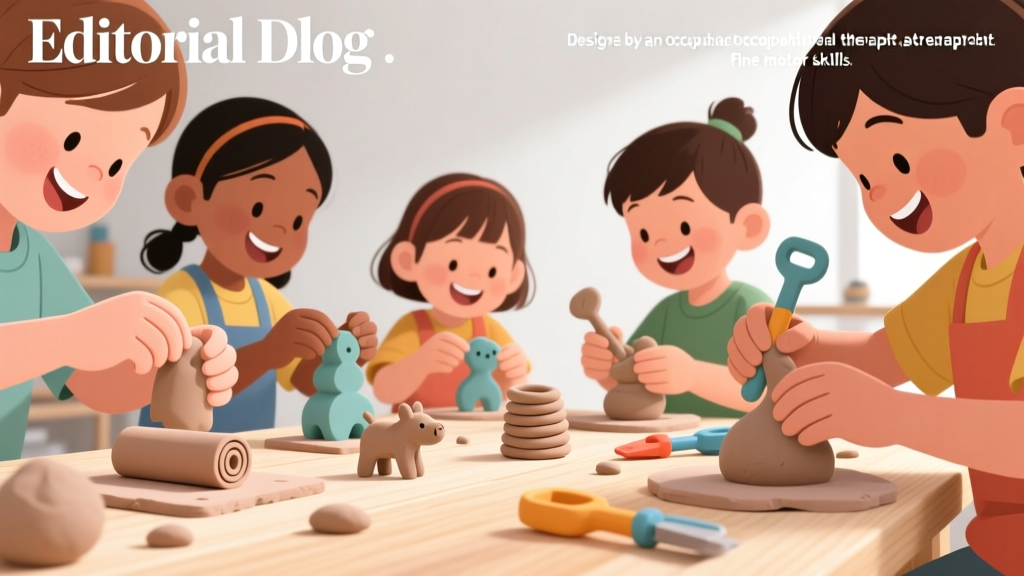
Clay Sculpting for Kids' Fine Motor Skills (2026)
As an occupational therapist, I prescribe clay sculpting more than any other activity for fine motor development. The resistance of clay strengthens hand muscles, the shaping motions develop the pincer grasp needed for writing, and the creative element keeps children engaged for extended periods. Here are 12 progressive projects I use in therapy — each targeting specific motor skills while feeling like pure play.
Why Clay Works for Fine Motor Development
Clinical research supports what OTs have long observed:
- Hand strength: Clay resistance is 3–5× greater than playdough, building intrinsic hand muscles faster
- Bilateral coordination: Both hands work together (holding + shaping), essential for handwriting
- Proprioception: The pressure feedback teaches children how much force to apply — critical for pencil control
- Endurance: Clay work sustains hand activity longer than any other fine motor task
12 Progressive Clay Projects
Level 1: Beginner (Ages 2–4)
1. Snake Making (Palmar Grasp): Roll clay into long snakes using flat palms. Teaches sustained bilateral rolling. Make worms, ropes, or letters.
2. Ball Rolling (Cupping): Roll clay into balls between cupped hands. Develops arch formation in the palm — essential for pencil grip.
3. Pancake Pressing (Extension): Press balls flat with the heel of the hand. Strengthens wrist extensors. Stack to make towers.
Level 2: Intermediate (Ages 4–7)
4. Pinch Pots (Pincer Grasp): The classic OT exercise. Push thumb into a ball, pinch walls outward while rotating. Develops the tripod grip used for writing.
5. Coil Building (Finger Isolation): Roll thin coils and stack them into bowls or vases. Requires precise finger control and bilateral coordination.
6. Animal Sculptures (Grading): Shape animals from single pieces. Teaches force grading — how hard to press without flattening or cracking.
Level 3: Advanced (Ages 7–10)
7. Face Masks (Detail Work): Sculpt facial features with small tools. Requires refined pincer movements and precise control.
8. Jewelry Making (Precision): Roll tiny beads, create pendants with detailed textures. Develops the fine control needed for threading and writing.
Skills Targeted by Each Project
| Project | Primary Skill | Secondary Skill | Age |
|---|---|---|---|
| Snake making | Palmar grasp | Bilateral coordination | 2–4 |
| Ball rolling | Arch development | Proprioception | 2–4 |
| Pinch pots | Pincer/tripod grip | Wrist stability | 4–7 |
| Coil building | Finger isolation | Force grading | 4–7 |
| Face masks | Detail precision | Tool use | 7–10 |
Frequently Asked Questions
What type of clay is best for children?
For ages 2–5: Model Magic or air-dry clay (soft, easy to manipulate, no firing needed). For ages 6+: Polymer clay (Sculpey, Fimo) for permanent creations. Avoid pottery clay unless you have kiln access — the hardness can frustrate young hands.
How often should children do clay activities for fine motor improvement?
Clinical evidence shows 15–20 minutes, 3 times per week produces measurable improvement in hand strength and pencil grip within 6–8 weeks. Daily is even better but not necessary. The key is consistency over intensity.
The Bottom Line
Clay sculpting is occupational therapy disguised as art class. Every pinch, roll, and coil builds the hand muscles and coordination your child needs for writing, buttoning, and a thousand other daily tasks. Keep clay accessible, make it part of the creative routine, and watch fine motor skills develop naturally through the joy of making things with their hands.
More Articles
 How to Draw Rudolph for Kids: Easy Step-by-Step Guide
 Art Techniques Buying Guide: Tools, Materials & Skills
 7 Art Therapy Activities for Anxious Kids You Can Do at Home
 How to Organize Kids Art Supplies (2026)
 How to Make Paper for Kids: Safe & Easy Methods
 Recycled Crafts: Easy Ideas for Kids
 Watercolor Techniques for Young Beginners
 Seasonal Wreath Crafts for Kids: 4 Seasons Projects
 Easy Seasonal Wreath Crafts for Kids
 How to Draw Martin Luther King for Kids (2026)