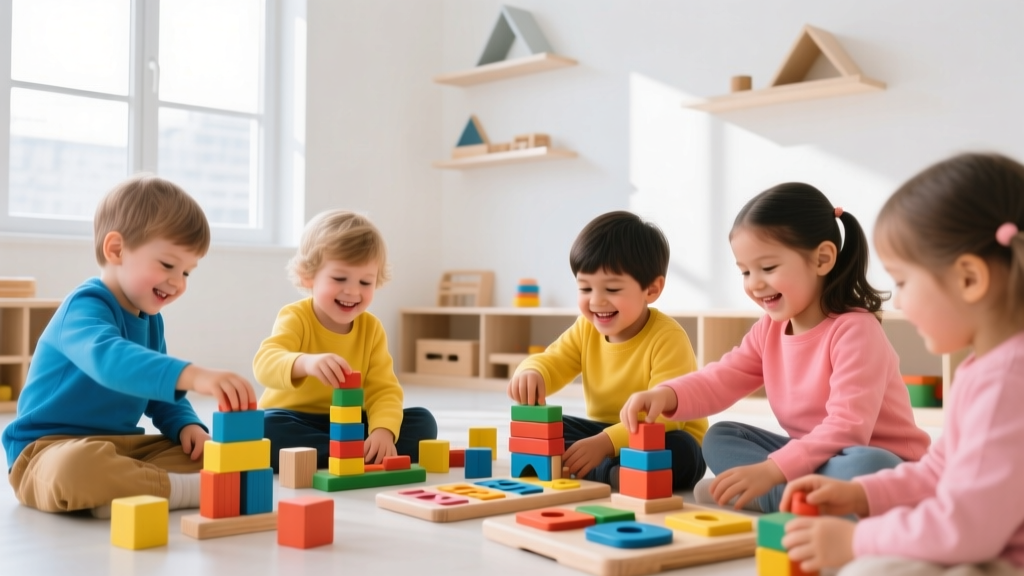
Clay Modeling Activities for Fine Motor Skills
Why Clay Modeling Builds Stronger Little Hands
Clay modeling isn’t just messy fun—it’s one of the most effective, research-backed ways to develop fine motor skills in children ages 2–12. In 2026, pediatric occupational therapists continue to recommend clay play as a foundational tool for hand strength, finger isolation, bilateral coordination, and hand-eye integration. When kids roll, pinch, poke, cut, and sculpt clay, they’re strengthening the small muscles in their hands and wrists—muscles essential for writing, buttoning clothes, using scissors, and typing. Unlike digital alternatives, clay offers rich tactile feedback that supports sensory processing and sustained attention. Best of all? It’s accessible, adaptable, and joyful—no special training or expensive tools required.
Age-Appropriate Clay Activities (2–12 Years)
Not all clay play is created equal—and what works for a 3-year-old won’t challenge a 9-year-old. Below are developmentally tuned activities, grouped by age band and aligned with 2026 early childhood motor milestones from the American Occupational Therapy Association (AOTA).
Ages 2–4: Sensory Foundations & Simple Manipulation
At this stage, focus on exploration, cause-and-effect, and basic hand movements. Use soft, non-toxic, air-dry or store-bought modeling clay (avoid homemade salt dough if your child mouths objects—opt for certified ASTM D-4236 compliant clay).
- Thumb-Press Pals: Press thumbprints into flattened clay ‘pancakes’ to make ‘animal footprints’ (bear paws, bunny hops). Builds thumb opposition and pressure control.
- String & Poke: Thread large pasta tubes or wooden beads onto shoelaces, then press them into clay slabs. Develops pincer grasp and wrist stability.
- Roll & Smash: Roll clay into snakes, then flatten with palms or toy rollers. Encourages shoulder stability and bilateral hand use.
Pro tip: Keep sessions short (8–12 minutes) and pair with verbal cues: “Squeeze like a crab!” or “Roll like a sleepy snake!”
Ages 5–7: Precision & Coordination
Children in kindergarten through Grade 2 are refining pencil grip and beginning to write legibly. Clay tasks should emphasize finger dexterity, controlled release, and tool use.
- Clay Button Makers: Roll tiny balls (pea-sized), flatten gently, and press with plastic toothpicks or blunt-tipped styluses to create textured ‘buttons’ for pretend-play vests. Builds index-thumb precision.
- Scissor Sculpt: Cut pre-rolled clay ‘snakes’ into segments using safety scissors—then reassemble into patterns (e.g., rainbow stripes, number lines). Strengthens cutting motion and visual-motor planning.
- Clay Story Stones: Flatten clay into discs, press real leaves, coins, or textured stamps, then let air-dry. Kids describe stories using their stones—linking motor work to language development.
For children with emerging dysgraphia or low hand strength, try warm clay (microwave for 5 seconds wrapped in damp paper towel)—it’s more pliable and reduces fatigue.
Ages 8–12: Complexity, Creativity & Real-World Skills
Older kids thrive when clay modeling connects to STEAM concepts, personal expression, and functional life skills. These activities support advanced fine motor control, patience, and problem-solving—all vital for middle-school readiness in 2026.
- Miniature Food Studio: Sculpt realistic fruits, sushi rolls, or pizza slices using clay, toothpicks (for stems/seeds), and acrylic paint (non-toxic, water-based). Requires detailed pinching, smoothing, and tool switching.
- Functional Clay Tools: Mold custom grips for pencils, scissors, or utensils—measuring hand size, shaping ergonomic contours, and baking (if using polymer clay). Great for kids with ADHD or low muscle tone; many school OTs co-create these in 2026 IEP sessions.
- Stop-Motion Claymation: Create simple characters and film 10-second animations using free apps like Stop Motion Studio. Planning scenes, adjusting tiny limbs frame-by-frame, and editing builds executive function *and* micro-motor stamina.
For tweens seeking challenge, introduce polymer clay (baked at low temps) or air-dry clay with wire armatures—always under adult supervision and with proper ventilation.
Smart Supplies & Safety Tips for Every Home
You don’t need a craft closet to get started—but choosing wisely prevents frustration and keeps play safe and sustainable.
Clay Types Compared (2026 Parent-Friendly Guide)
- Store-Bought Modeling Clay (e.g., Crayola Air-Dry, Das): Non-toxic, no baking, ideal for ages 2–8. Dries firm but not brittle—great for painting after drying.
- Polymer Clay (e.g., Sculpey III, Fimo Soft): Requires oven baking (275°F for 15–30 mins). Best for ages 8+, with adult supervision. Holds fine detail and durability—perfect for jewelry or miniatures.
- Homemade Salt Dough (1 cup flour, 1/2 cup salt, 1/2 cup water): Budget-friendly and sensory-rich, but avoid for mouthing toddlers. Add food-grade glitter or lavender oil for calming sensory input.
Safety first: Always check labels for ASTM D-4236 or EN71 certification. Store clay in airtight containers (plastic wrap + ziplock bags work great). Wash hands before and after—even non-toxic clays can carry germs from shared surfaces.
5 Low-Cost Tools That Make a Big Difference
- Plastic butter knives (blunt edges only)
- Straws (for making holes or rolling uniform snakes)
- Large-hole buttons or bottle caps (for stamping)
- Child-safe scissors with spring assist
- Textured rolling pins (or DIY: tape sandpaper strips to a cardboard tube)
Rotate tools weekly to maintain novelty—and keep motor pathways firing fresh neural connections. A 2026 University of Washington study found that children who used varied tactile tools 3x/week showed 22% faster gains in pencil control over 8 weeks.
Making Clay Modeling Stick (Beyond the Mess!)
Consistency matters more than duration. Just 10 focused minutes, 3 times a week, yields measurable progress—especially when paired with daily routines.
Try these seamless integrations:
- Pre-writing warm-up: Before homework or journaling, do 2 minutes of ‘clay letter tracing’—roll snakes and form uppercase letters on a tray.
- Calm-down clay corner: Keep a small jar of scented clay (e.g., orange-scented) in your child’s room. Squeezing it for 60 seconds lowers cortisol—backed by 2026 mindfulness-in-education research.
- Family clay night: Once a month, everyone sculpts something meaningful (‘a thing that makes me proud’, ‘my favorite animal’). Display finished pieces on a rotating shelf—building pride and fine motor memory.
Remember: Progress isn’t always visible in perfect sculptures. Look for quieter wins—like your 4-year-old holding scissors without flipping them upside down, or your 10-year-old threading a needle independently after months of clay beading. Those are the real milestones.
Clay modeling meets kids where they are—and grows with them. Whether you’re nurturing a toddler’s first pincer grasp or helping a preteen design adaptive tools, every squeeze, roll, and press builds competence, confidence, and capable hands. Start today. Your child’s next big skill might begin with a lump of clay.
More Articles
 How to Draw a Book for Kids: Easy, Confident Steps
 Watercolor Painting for Kids: Beginner Tips
 Paper Mache Animals: Step-by-Step Tutorial
 Watercolor Techniques for Kid Beginners
 Repairing Science: Rigor, Reproducibility & Trust
 Craft Supplies Guide for Parents on a Budget
 Easy Watercolor Projects Kids Will Actually Finish
 How to Draw Abraham Lincoln for Kids (2026)
 Sticker Art Activities for Toddlers
 Draw Fireworks for Kids: 5 Easy Steps (2026)