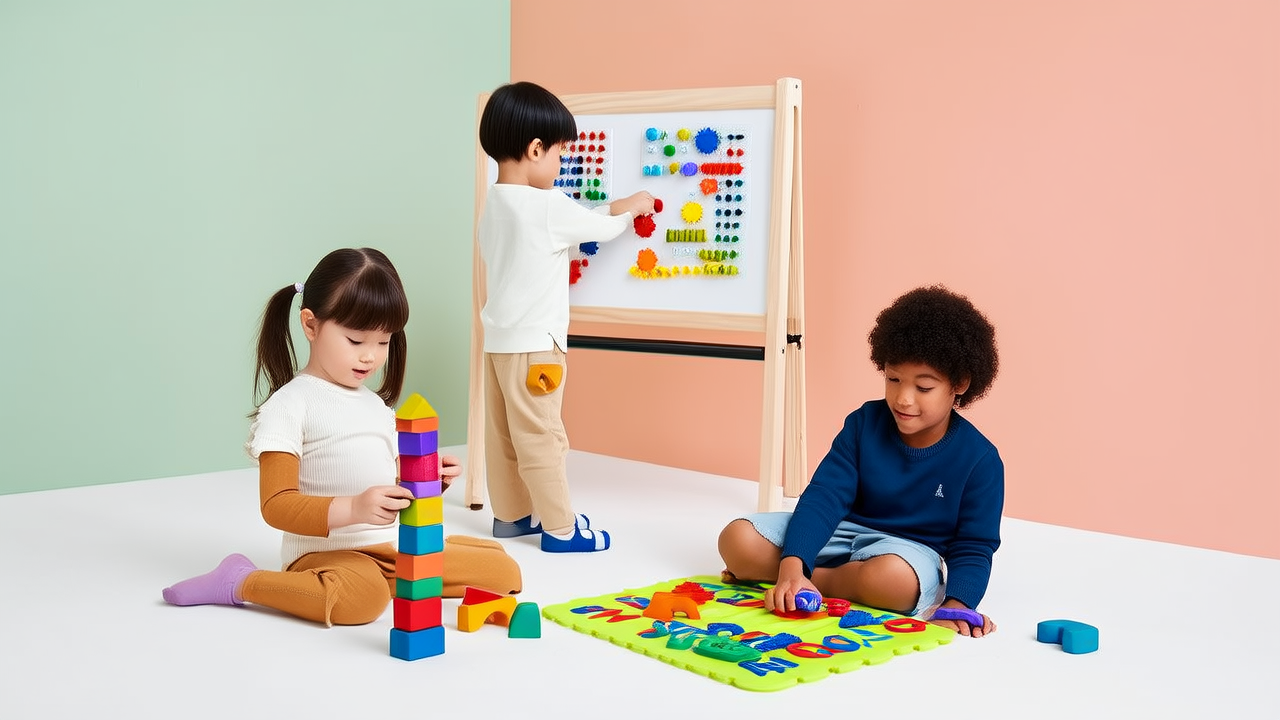
Fun Gravity Experiments for Kids (2026)
What Makes Things Fall? Let’s Play with Gravity!
Hi there, curious scientists! 🌟 Have you ever wondered why your apple falls down—not up—when it tumbles off your lunchbox? Or why raindrops race to the ground while helium balloons float away? That’s gravity at work—the invisible force that pulls things with mass toward each other. Earth is super big and heavy, so its gravity holds us, our pets, and even our playground swings right here on the ground!
At KidsFindShub, we believe science isn’t just for labs—it’s for laughter, splashes, and ‘Whoa!’ moments. So grab a grown-up helper, clear some space, and try these 5 super-simple, super-fun gravity experiments—all using stuff you already have at home. Each one sneaks in real physics ideas like mass, air resistance, center of gravity, and acceleration—without any boring textbooks!
✨ Experiment #1: Feather vs. Ball — The Great Drop-Off!
Ages: 4–8
You’ll need: A clear plastic bottle (like a 2L soda bottle), a feather or small piece of tissue paper, a marble or bouncy ball, scissors, duct tape.
Let’s play:
1. Cut off the bottom of the bottle.
2. Remove the cap and drop the feather and marble inside—watch them fall! The marble zips down; the feather floats slowly. Why? Air pushes back on the feather more than the marble—that’s air resistance.
3. Now seal the bottom with tape, and suck out most of the air using a vacuum pump (or ask an adult to use a bike pump *in reverse*). No pump? Try this clever hack: Tape a balloon over the cut bottom, then stretch and release it quickly to create a mini-vacuum effect!
4. Drop both again—you’ll see them hit the bottom at the same time! 🎉 In a vacuum, gravity treats all objects equally—even tiny feathers!
Science Spark: Gravity accelerates everything at the same rate (9.8 m/s²)—but air can slow light things down. Galileo proved this on the Leaning Tower of Pisa… and now YOU did it in your living room!
✨ Experiment #2: Balloon Rocket Racers
Ages: 5–10
You’ll need: A long string (10+ feet), two chairs or doorknobs, a drinking straw, tape, 1–2 balloons.
Let’s play:
1. Thread the string through the straw.
2. Stretch the string tight between two chairs and tape the ends.
3. Blow up a balloon (don’t tie it!), pinch the end, and tape it to the straw.
4. Let go—and ZOOOM! It rockets across the string.
5. Try with two balloons taped side-by-side. Does it go faster? What if you use a bigger balloon?
Science Spark: When air rushes out the balloon’s neck, it pushes the balloon forward—Newton’s Third Law (“every action has an equal and opposite reaction”). Gravity keeps the string steady while the rocket zooms, showing how forces interact. Bonus: Hang a small paperclip from the straw to explore weight and balance!
✨ Experiment #3: Dancing Raisins — Bubbles & Buoyancy!
Ages: 4–9
You’ll need: Clear soda (like club soda or ginger ale), a tall clear glass, 5–6 raisins.
Let’s play:
1. Pour soda into the glass (leave 1 inch of space at the top).
2. Gently drop in the raisins.
3. Watch closely! They’ll sink at first… then rise, dance, sink again—and keep bouncing for minutes!
Why? Raisins are denser than soda, so they sink. But tiny carbon dioxide bubbles cling to their wrinkly skin, making them buoyant enough to float up. At the surface, bubbles pop—and down they go again! This shows how density, buoyancy, and gravity team up (and sometimes tussle!).
Tip: Try dried cranberries or lentils—they behave differently! Record your observations in a “Raisin Journal” with drawings and predictions.
✨ Experiment #4: The Wobbly Walker — Finding Your Center
Ages: 6–10
You’ll need: A craft stick (popsicle stick), two metal washers or large paper clips, tape, a small cork or eraser, and a flat table.
Let’s play:
1. Tape one washer to each end of the stick.
2. Balance the stick on your fingertip—or better yet, push the stick through the cork/eraser to make a “walker.”
3. Try walking it across the table! It wobbles but stays upright.
4. Now remove one washer. Does it tip over? Try moving the washers closer together—what happens?
Science Spark: The washers lower the toy’s center of gravity (its balance point). When it’s low and centered, gravity pulls it straight down—making it stable! This is why tall buildings have heavy bases and why cats land on their feet. 😺
✨ Experiment #5: Gravity Rainbows — Spin & Separate!
Ages: 7–10
You’ll need: A clean plastic salad spinner (the kind with a lid and handle), water, food coloring (3 colors), small cups, paper towels.
Let’s play:
1. Fill the spinner basket halfway with water.
2. Add 3 drops of different food coloring (red, yellow, blue) spaced apart.
3. Close the lid tightly and spin fast for 30 seconds!
4. Stop—and peek! The colors swirl outward, forming streaks like a rainbow wheel.
Science Spark: Spinning creates centrifugal effect (an outward push), but gravity still pulls everything down. Together, they separate the colors by density and drag—just like how Earth’s gravity and rotation shape weather and ocean currents! (Note: This isn’t true centrifugal force—but a fun intro to how forces combine.)
💡 Pro Tips for Super-Safe Science
- Always invite a grown-up helper—especially for cutting, spinning, or using tape near eyes.
- Use washable supplies: Food coloring stains, so wear old shirts and cover surfaces with newspaper or a vinyl tablecloth.
- Ask “What if?” questions: “What if I use a bigger balloon?” or “What if I drop from higher up?” Predicting builds critical thinking!
- Keep a Science Sketchbook: Draw what happened before, during, and after each experiment—even if it “failed!” Real scientists learn from surprises.
- Recycle & reuse: Old bottles, straws, and washers belong in your Discovery Drawer—not the trash!
Why Gravity Play Matters
Playing with gravity isn’t just about giggles and “oops!” moments—it helps young brains build spatial reasoning, understand cause-and-effect, and grow confident asking “why?” These skills help with math, engineering, art—even understanding how video game characters jump or why roller coasters loop without flying off! 🎢
So go ahead—drop, spin, float, balance, and wonder. You’re not just playing. You’re thinking like a physicist. And guess what? You were born with the power to explore the universe—one gravity experiment at a time.
💖 Loved this? Share your favorite experiment photo with #KidsFindShubGravity on social media—we’ll feature our faves next month! And check back every Tuesday for new hands-on science adventures.
More Articles
 Teach Chess to Kids: 7 Steps for Confidence & Focus (2026)
 What Is Climate Change for Kids (2026)
 10 STEM-Teaching Science Board Games for Kids
 Pandas for Kids: A Practical Guide (2026)
Kitchen Chemistry Experiments for Preschoolers 2026
 Plant Growth Experiments for Kids
 Best Robotics Kits for Kids Under 10
 Water Table for Kids: Hands-On Learning Guide
 Budget STEM Learning: High-Impact Strategies for Families
 Math Games That Kids Actually Enjoy