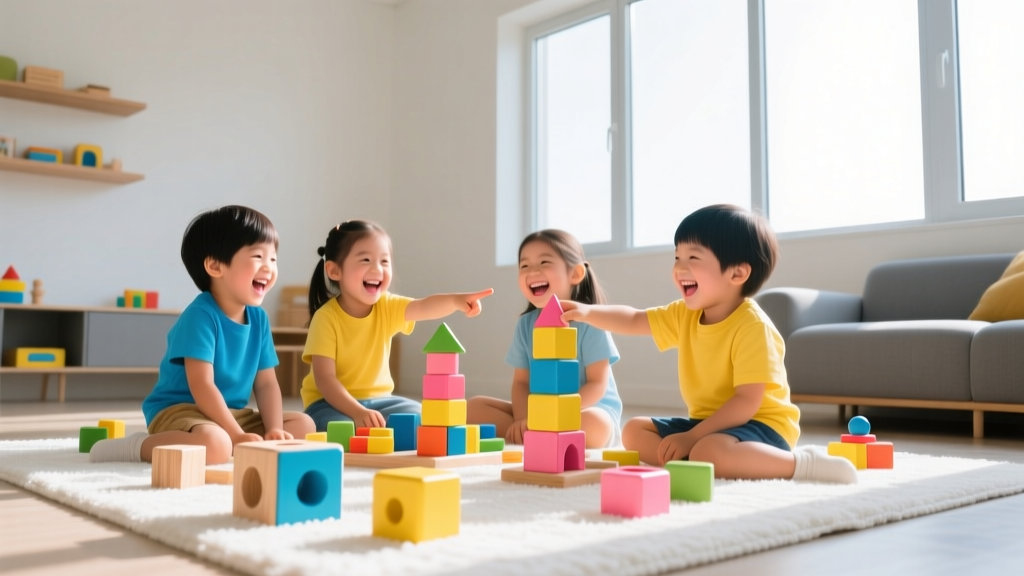
Engineering Challenges for Curious Kids
Why Engineering Challenges Ignite Young Minds
Engineering isn’t just about bridges and robots—it’s about asking ‘How can I solve this?’ with creativity, trial, and teamwork. In 2026, early exposure to hands-on engineering helps children develop critical thinking, spatial reasoning, and resilience—all while having a blast. Research shows that kids who engage in open-ended building and problem-solving before age 12 are more likely to persist in STEM fields later. The best part? You don’t need a lab or a degree—just everyday materials, patience, and encouragement.
These challenges meet kids where they are: toddlers stacking blocks, elementary students designing zip lines, and tweens prototyping solar-powered cars. Each activity nurtures core engineering habits: defining problems, brainstorming solutions, testing ideas, and improving designs. And yes—they work even if the tower collapses (especially then!).
Simple & Sensory: Engineering for Ages 2–5
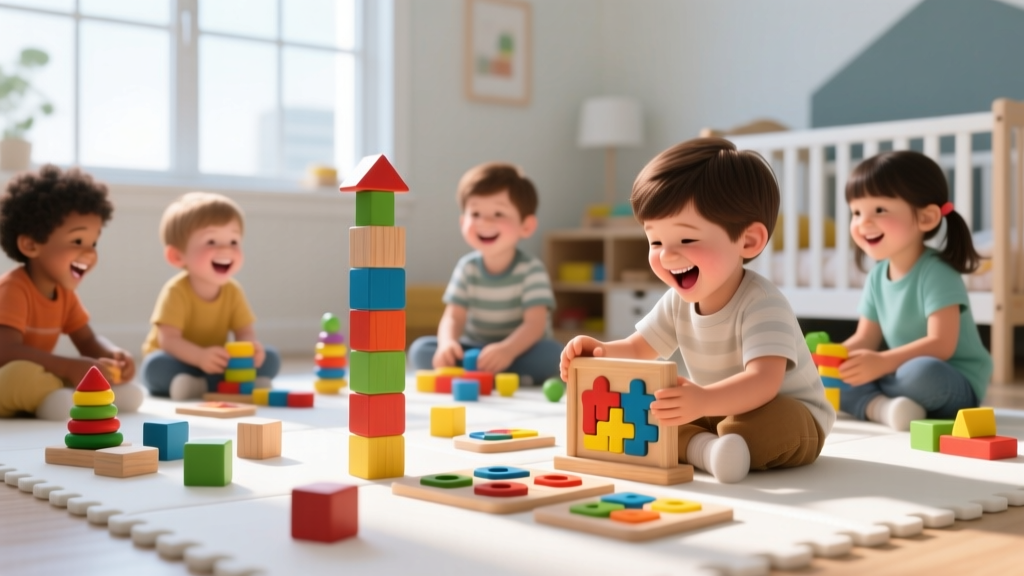
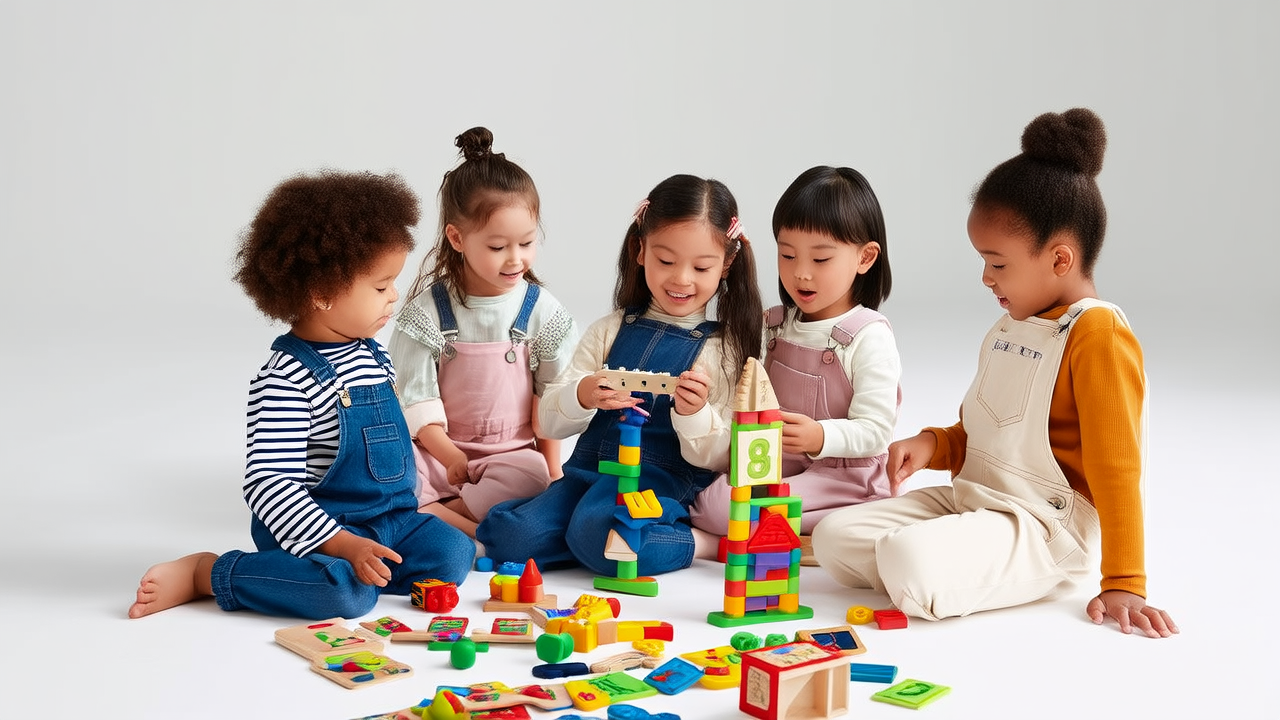
For little engineers, ‘challenge’ means exploring cause-and-effect, balance, and structure through play. Focus on process—not perfection—and prioritize safety (e.g., avoid small parts for under-3s).
- Cardboard Ramp Race: Tape a cardboard tube or folded poster board to a chair to create a ramp. Challenge your child: ‘Can you make the marble roll slower? Faster? Stop at the bottom?’ Try adding tape bumps, felt strips, or crumpled paper to change friction.
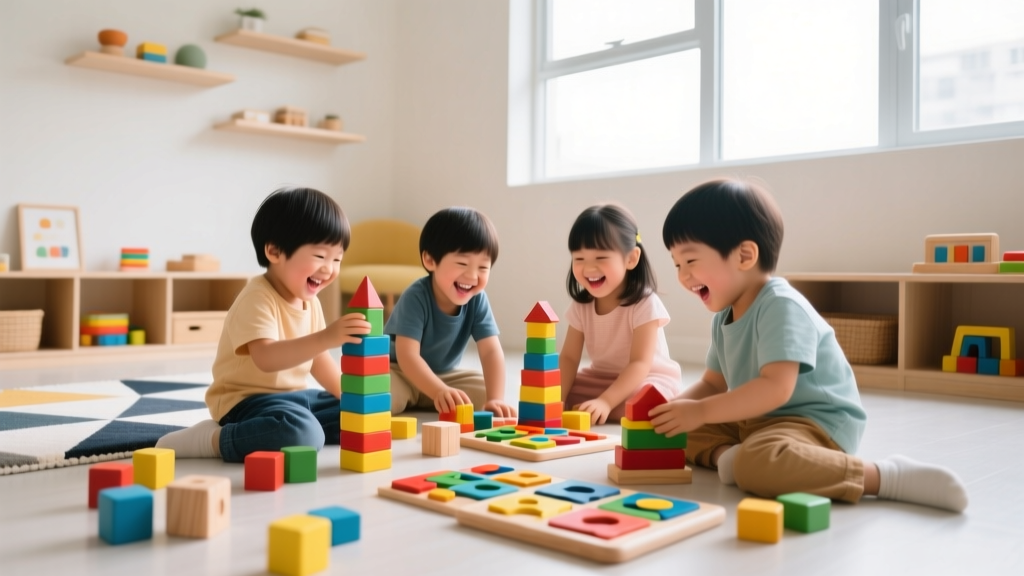
- Sturdy Tower Challenge: Give 10–15 plastic cups and 10 craft sticks. Ask: ‘How tall can you build without it falling?’ Encourage stacking, interlocking, or using sticks as braces. Celebrate wobbles—they’re clues for improvement!
- Soft-Build Bridge: Use pool noodles, fabric scraps, and pipe cleaners to span two books. Can a toy car cross? A stuffed animal? This builds early understanding of support and span.
Pro tip: Narrate their thinking aloud—‘I see you moved the cup to the side—that made it steadier!’ This reinforces observation and reflection, foundational to the engineering design process.
Hands-On & Collaborative: Engineering for Ages 6–9
School-age kids thrive on measurable goals, friendly competition, and real-world connections. Introduce vocabulary like prototype, constraint, and iteration—but keep it playful. All materials should be low-cost and recyclable.
Try these classroom- and home-tested favorites:
- Popsicle Stick Catapult: Using 10 popsicle sticks, 4 rubber bands, and 1 bottle cap, build a lever-based launcher. Challenge: Launch a pom-pom 3 feet—or hit a target drawn on paper. Discuss how changing the fulcrum (the rubber band ‘pivot’) affects distance.
- Aluminum Foil Boat Float Test: Give each child one 12" x 12" sheet of foil. Their goal: build a boat that holds the most pennies without sinking. After the first test, ask: ‘What changed in your second try? Why did wider bases hold more weight?’ (Hint: surface area + displacement!)
- Straw Tower Challenge: With only 20 plastic drinking straws and masking tape, build the tallest freestanding tower that supports a small toy (e.g., LEGO minifigure) on top for 10 seconds. Bonus: Add wind with a fan on low setting!
At this age, emphasize collaboration over competition. Pair kids up or form trios—even kindergarteners and third graders can co-design a ‘rain shelter’ from newspaper and tape. In 2026, many schools use these activities to align with Next Generation Science Standards (NGSS) practices like Constructing Explanations and Engaging in Argument from Evidence.
Design-Thinking & Real-World Impact: Engineering for Ages 10–12
Tweens are ready for deeper inquiry, research-backed constraints, and empathy-driven design. They’ll love tackling problems they care about—like sustainability, accessibility, or community needs.
Here are three impactful, standards-aligned challenges perfect for home, after-school clubs, or summer camps:
- ‘No-Waste Water Filter’ Challenge: Using only sand, gravel, cotton balls, coffee filters, and plastic bottles (cut in half), design a filter that cleans muddy water. Test clarity and flow rate. Then discuss real-world parallels—like how cities purify drinking water or how engineers help communities after floods.
- Accessible Playground Model: Challenge kids to redesign one element of a playground (e.g., a slide or swing) for someone using a wheelchair or with low vision. Provide cardboard, craft supplies, and photos of inclusive playgrounds. Ask: ‘What does ‘accessibility’ mean here? How would you test your idea?’
- Solar Oven Bake-Off: Build simple solar ovens from pizza boxes, aluminum foil, plastic wrap, and black construction paper. On a sunny day in 2026, bake s’mores or melt chocolate chips. Track temperature with an infrared thermometer (or free phone app). Discuss renewable energy, insulation, and real solar projects powering schools across the U.S.
Support their growth: Encourage journaling with quick sketches and notes like ‘My first idea failed because… My fix was…’ This builds metacognition—the ability to think about thinking—a skill linked to academic success well beyond STEM.
Making It Stick: Tips for Parents & Caregivers
Success isn’t measured in flawless builds—it’s in sustained curiosity and joyful persistence. Here’s how to nurture that:
- Embrace ‘Fail Forward’ language: Swap ‘That didn’t work’ with ‘What did we learn?’ or ‘What’s one thing we’d change next time?’ Engineers iterate—kids should too.
- Keep a ‘Challenge Jar’: Write 10–15 simple prompts on slips (e.g., ‘Build a bridge for 3 toy animals,’ ‘Design a container that keeps ice frozen longest’). Let kids pick one weekly—great for rainy days or sibling teamwork.
- Connect to real people: Watch short videos (under 5 mins) of kid engineers, women in aerospace, or local makers. In 2026, organizations like EngineerGirl and NSPE’s Kids Corner offer free, vetted resources.
- No screen required—but tech can enhance: Try free apps like TinkerCad (browser-based 3D design) for ages 8+, or Scratch to animate simple machines. Always pair digital tools with physical making.
- Start small, scale up: One 15-minute challenge per week builds confidence faster than an overwhelming weekend project. Consistency > intensity.
Remember: You don’t have to know the answer. Say, ‘Let’s find out together.’ That shared curiosity is the most powerful engineering tool of all—and it’s available to every family, right now.
More Articles
 Arts & Crafts Tools Educators Actually Use
 Geography for Kids: A Critical Thinking Superpower
 How the Internet Works: Kids' Visual Guide (2026)
 Paper Airplane Contest Ideas for Kids
 How to Make Volcano for Kids: Safe, Real Science (2026)
 Nature Journaling for Kids: A Beginner Guide
 Start a Nature Journal With Kids
 Family Science Experiments: Kitchen Lab
 Euphrates River Facts for Kids: Geography & Activity Ideas
 How Cars Work for Kids: STEM Guide & Activities